

UWW successfully hosts first-ever World Conference
Thursday, September 25, 2025 - 14:16 By United World Wrestling Press
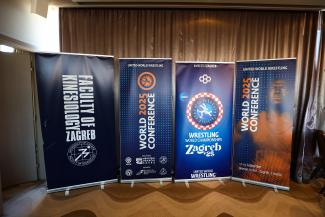
ZAGREB, Croatia (September 24) -- United World Wrestling successfully hosted its first-ever World Conference in Zagreb, Croatia from September 17 to 19.
UWW President Nenad LALOVIC welcomed all the guest to the conference, held during the World Championships in Zagreb, and led the floor with discussions on Artificial Intelligence in wrestling, Amateur MMA, developing wrestling and the impact of social media to keep wrestling at the top.
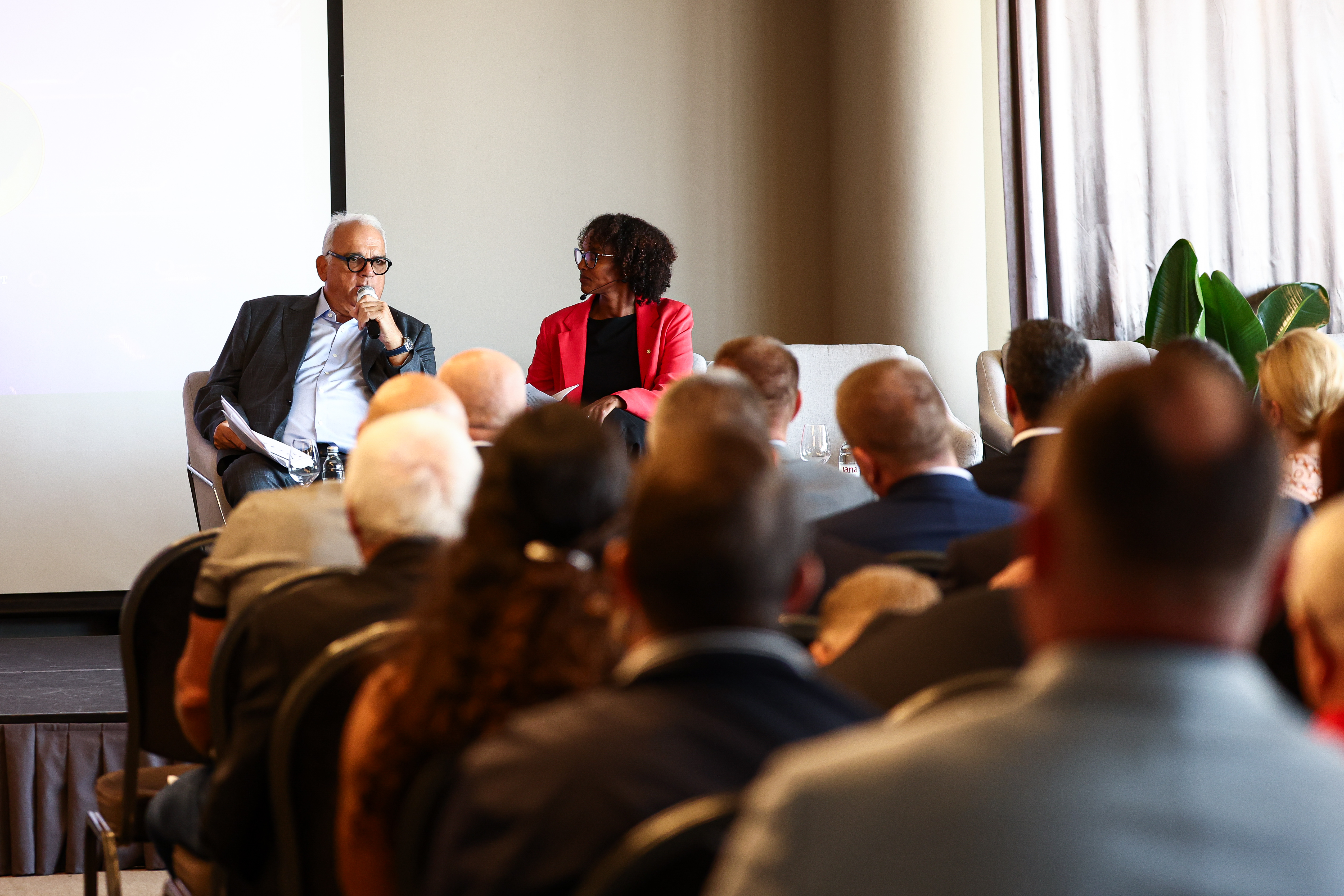 United World Wrestling President Nenad LALOVIC at the World Conference. (Photo: United World Wrestling / Jake Kirkman)
"On behalf of United World Wrestling, I wish you a warm welcome in Zagreb first, but to this conference too," Lalovic said. "We had this idea maybe almost a decade ago. We were seeking for a platform, how these good relations among wrestlers and the national federations can improve our sport."
Injury prevention, weight management, career transitions for wrestlers, as well as the future of the sport were some of the key discussions during the three-day event at the Westin Hotel.
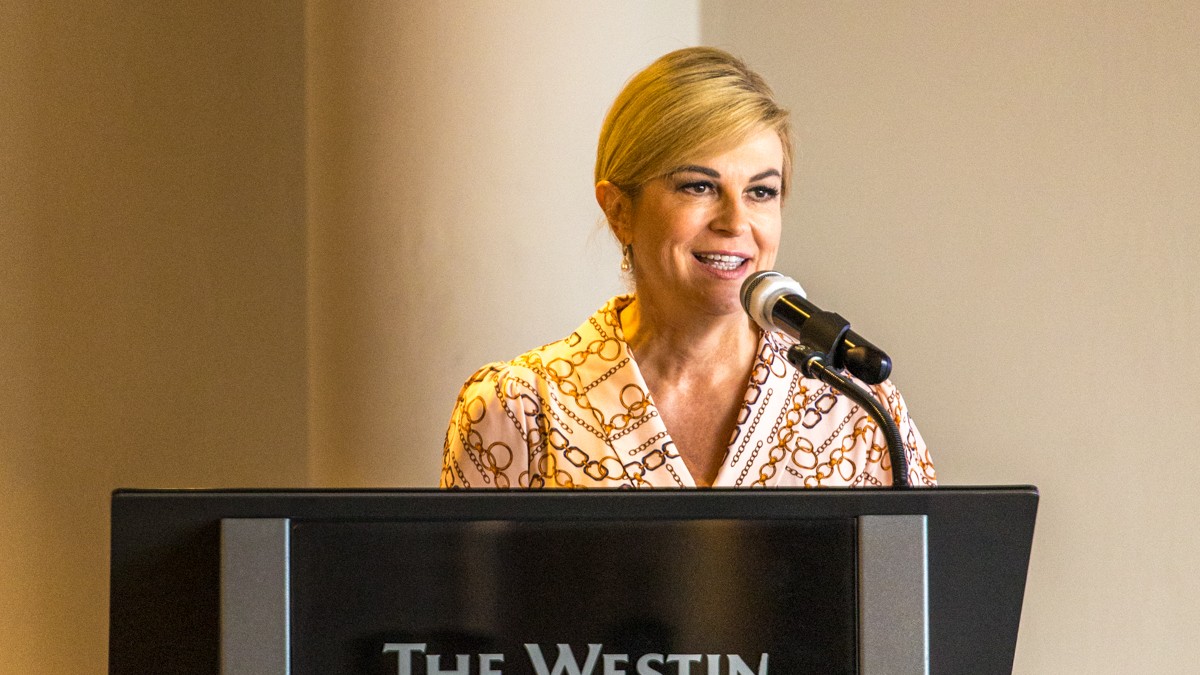 International Olympic Committee member and former President of Croatia Kolinda GRABAR-KITAROVIC.
Former President of Croatia and International Olympic Committee member Kolinda GRABAR-KITAROVIC marked her presence at the historic event in capital city of Croatia.
Ministry of Tourism and Sports, Croatia State Secretary Josip PAVIC was also present at the conference and expressed his gratitude for entrusting Croatia for hosting the championships and the conference. Croatia Wrestling Federation President Vladimir BREGOVIC, Dean of University of Kinesiology, Zagreb Prof. Mario BAIC and numerous other stakeholders marked their presence at the conference.
On day one of the conference, UWW's growth in media and digital transformation was discussed with focus on strategy, social media, partnership and equipment and new technologies. The discussion then headed to Beach Wrestling and Associated Styles with Amateur MMA and Grappling as the main topics.
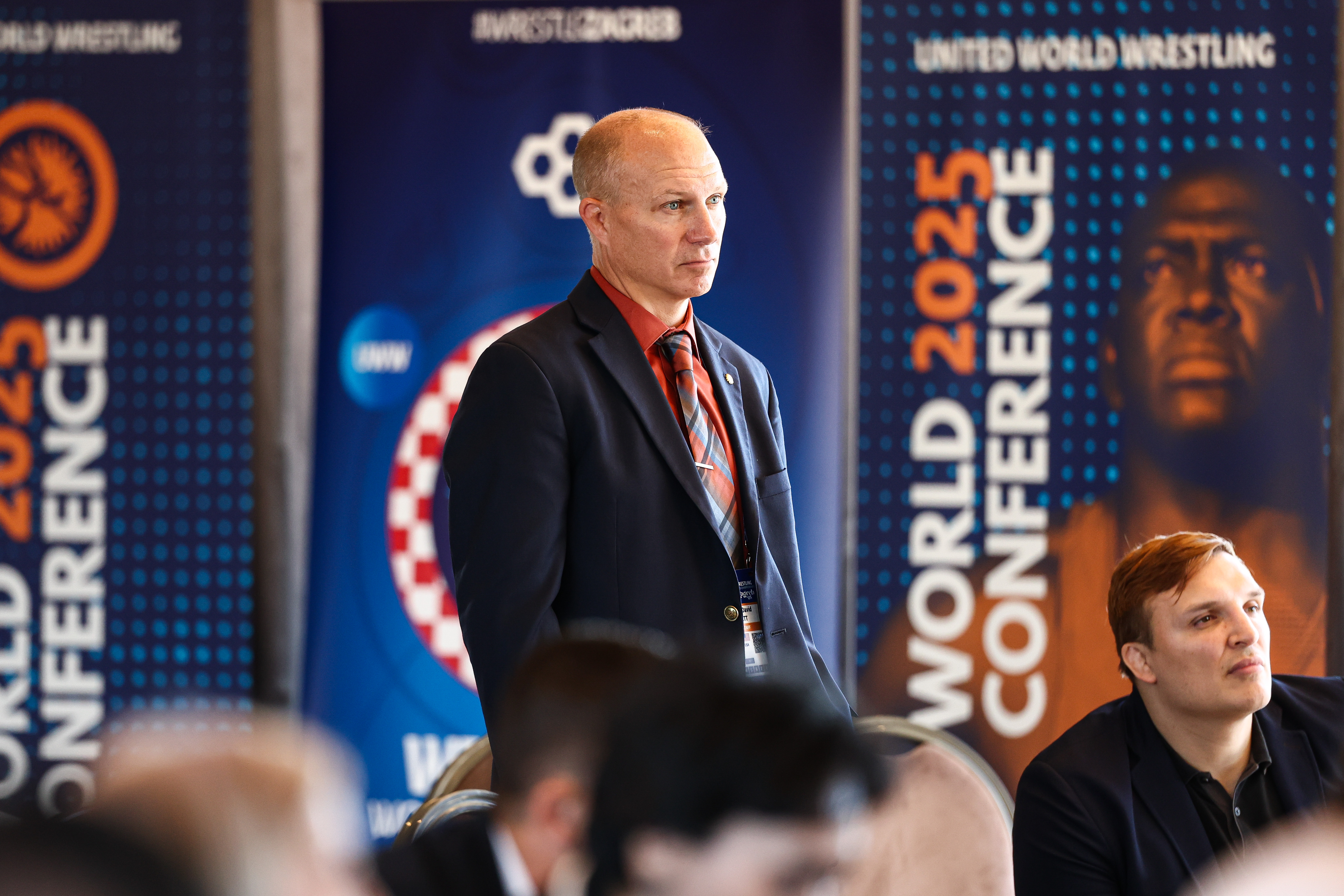
The second day of the conference saw UWW Educator Zach ERRETT explaining the rules of Beach Wrestling, International Testing Agency Senior Legal Counsel Ayesha TALPADE presenting details of anti-doping program, followed by a panel discussion.
Kuniko TANIOKA, President of the Shigakkan University in Japan, led the discussion on sport nutrition and weight management along with UWW Medical Commission members Saam FALAHATI, Ioannis BARBAS and Szabolcs MOLNAR.
Former wrestlers shared their experiences on transitioning from wrestling to other jobs. Neven and Nenad ZUGAJ were among the panellists that also included Mijain LOPEZ, Taha AGKUL, Arsen JULFALAKYAN, Don RYAN, Alexei BAZULIN, Erica WEIBE, Bruce BAUMGARTNER.
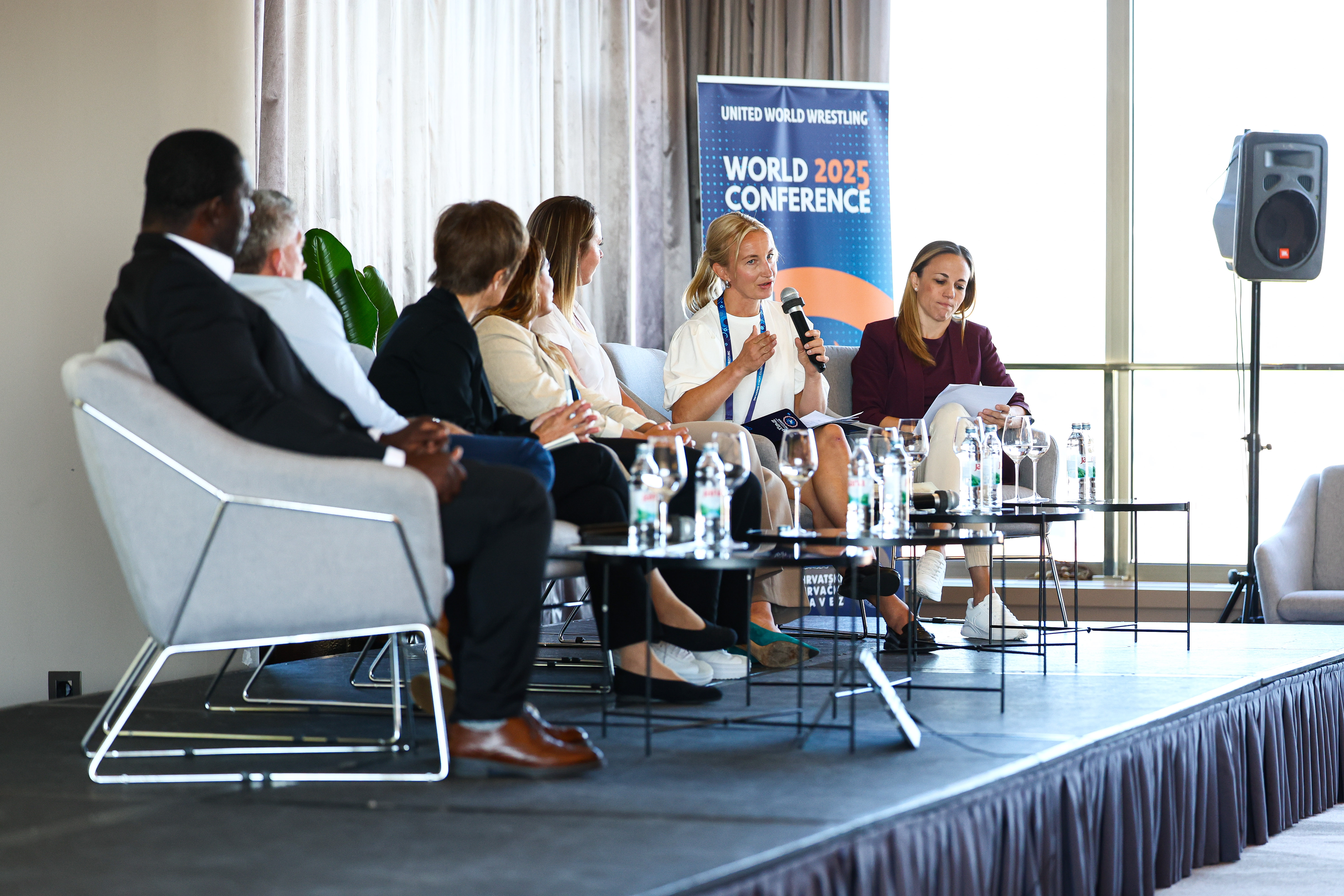
Head of the United States women's team Terry STEINER presented the "coaching the women's" part on day three. He explained how to support and train women wrestlers and led the panel that also had Tanioka, Marwa AMRI, Vincent AKA, Sofia MATTSSON, Wiebe and Nadine PIETSCHMAN.
"Depending on the success of this first World Conference, we will decide if in the future it will be a biannual one or a quadrennial one. Maybe every year if you have so much to say," Lalovic said. "World Championships is the best opportunity for that because people are already here. This physical presence is always more efficient."
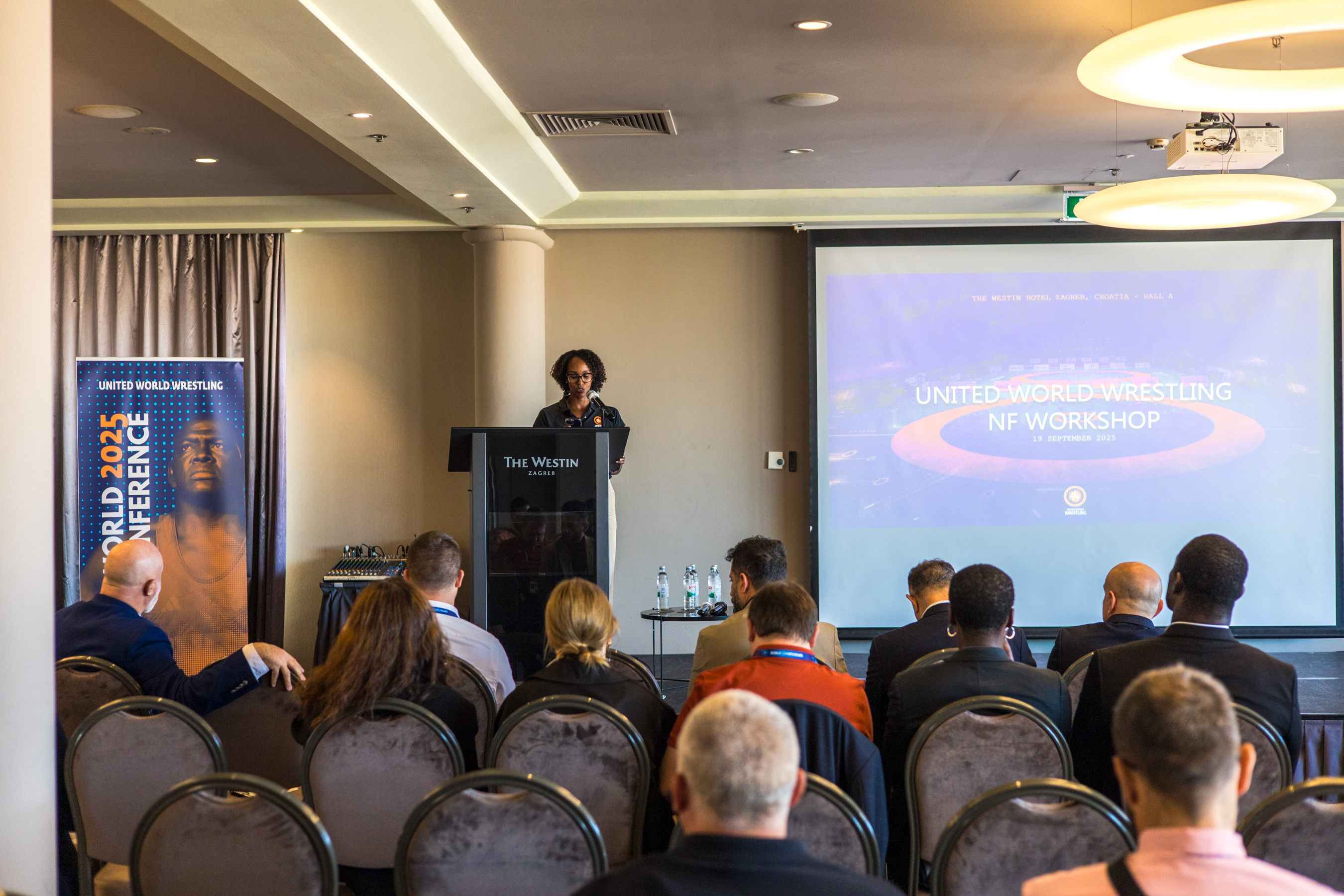 A national federation workshop organized by United World Wrestling in Zagreb.
NF workshop
UWW also organized a workshop for the National Federations. UWW Sports Director Jean-Daniel REY and UWW Development Director Deqa NIAMKEY welcomed various NFs which had registered for the workshop.
Capacity building, finance and event organization were the key topics at the workshop. Croatia Wrestling Federation Secretary General Tin BREGOVIC, Professor of Kinesiology Nenad BORKOVIC, Professional Master in Social Innovation and Management Ivan BLAZEVIC led a panel discussion on the topic as they were part of the organizing committee for the World Championships in Zagreb.
Azerbaijan, Brazil, Spain and Thailand presented case studies related to event organization and the challenges of competitions.
Share your thoughts.
Comments