SAMOKOV, Bulgaria (August 5) -- The U20 World Championships will kick off in Samokov, Bulgaria from August 17 to 24, an eight-day tournament.
Around 650 are expected to compete in Freestyle, Women's Wrestling and Greco-Roman with Freestyle kicking off the tournament followed by Women's Wrestling. Greco-Roman will the World Championships on August 24.
The full schedule of the U20 World Championships can be found here.
The competition will be live on UWW+ and followed United World Wrestling on YouTube, Instagram, X, Facebook.
Note: The entries are subject to change 72 hours before the draw of respective styles. For final draw, refer to UWW Arena.

Freestyle
57kg
Arman HARUTYUNYAN (ARM)
Vasif BAGHIROV (AZE)
Caio DUARTE ARON (BRA)
Esad BOZALI (BUL)
Chengtao WANG (CHN)
Nika ZANGALADZE (GEO)
Karoly BARATH (HUN)
Sumit MALIK (IND)
Arshia HADDADI (IRI)
Riccardo BONANNO (ITA)
Irie JACKSON (JAM)
Rin SAKAMOTO (JPN)
Nurdanat AITANOV (KAZ)
Baiaman KERIMBEKOV (KGZ)
Inseong BAK (KOR)
Ben TARIK (MAR)
Ion BULGARU (MDA)
Hayden ANCHETA (PHI)
Ethan RIVERA (PUR)
Nurettin KAPAL (TUR)
Mykola BRATOV (UKR)
Anthony KNOX (USA)
Herbert AKAPIAN (UWW)
Magomed OZDAMIROV (UWW)
61kg
Sargis BEGOYAN (ARM)
Farhad HAJIYEV (AZE)
Erdal GALIP (BUL)
Karson BROWN (CAN)
Anchao LU (CHN)
Danoush JOWKAR (GBR)
Saba GAMBASHIDZE (GEO)
Ajay KAPADE (IND)
Ahora KHATERI (IRI)
Pasquale LIUZZI (ITA)
Takuto OSEDO (JPN)
Allan ORALBEK (KAZ)
Askat TOKTOMATOV (KGZ)
Vasili LAZAREV (MDA)
Stefan STOJKOV (MKD)
Ivan OKSIUK (POL)
Omar AYOUB (PUR)
Sandro HUNGERBUEHLER (SUI)
Robert MESZAROS (SVK)
Haci ZADE (TUR)
Andrii SHOKALIUK (UKR)
Marcus BLAZE (USA)
Adlan SAITIEV (UWW)
Magomedkhan MAGAMEDKHANOV (UWW)
Abdulloh KHABIBULLAEV (UZB)
65kg
Arman MUSIKYAN (ARM)
Agha GASIMOV (AZE)
Denis NAIM (BUL)
Khalin RADEV (CAN)
Duxi GANG (CHN)
Janar LIPS (EST)
Lazare GUJARAIDZE (GEO)
Aik KAZARIAN (GRE)
Mozes LASZLO (HUN)
ASHWANI (IND)
Aliasghar TATHASHTIKEH (IRI)
Alessandro NINI (ITA)
Reiji UCHIDA (JPN)
Yeraly ZHENISSOV (KAZ)
Omurbek ASAN UULU (KGZ)
Ion BERGHI (MDA)
Janchivdorj TUVDUU (MGL)
Kaige BROWN (NZL)
Benjamin BOEJTHE (ROU)
Samilj DADAJEV (SRB)
Abdullah TOPRAK (TUR)
Viktor BOROHAN (UKR)
Luke STANICH (USA)
Amal DZHANDUBAEV (UWW)
Sanjarbek RUSTAMBEKOV (UZB)
70kg
Artavazd HARUTYUNYAN (ARM)
Nurlan AGHAZADA (AZE)
Kaloyan ATANASOV (BUL)
Kade BROWN (CAN)
Tao WEI (CHN)
Tristan FORSMAN MENDEZ (CRC)
Denis KODAKOV GIL (ESP)
Abdoullah NAKAEV (FRA)
Goga OTINASHVILI (GEO)
SAGAR (IND)
Ebrahim ELAHI (IRI)
Daniele GUBBIOTTI (ITA)
Kairi ITO (JPN)
Sungkar SEIDAKHMET (KAZ)
Zalkarbek TABALDIEV (KGZ)
Oleg KNISEVSKIJ (LTU)
Alexandr GAIDARLI (MDA)
Gabriel SANCHEZ (MEX)
Dominik JAGUSZ (POL)
Eduard LENARD (ROU)
Umut USLU (TUR)
Prokip KRALIA (UKR)
PJ DUKE (USA)
Islam KAZHAROV (UWW)
74kg
Vladimir AZARYAN (ARM)
Aghanazar NOVRUZOV (AZE)
Stiliyan DZHOROV (BUL)
Nicholas HOOPER (CAN)
Tao SHEN (CHN)
Omar MOURAD (EGY)
Nikolai TARASSOV (EST)
Saba KOBAKHIDZE (GEO)
Manuel WAGIN (GER)
Parvinder SINGH (IND)
Mahdi MAMIVAND (IRI)
Raul CASO (ITA)
Kanata YAMAGUCHI (JPN)
Dosszhan KUL GAIYP (KAZ)
Adilet AKYLBEKOV (KGZ)
Titas PIJORAITIS (LTU)
Catalin SPINU (MDA)
Andrew BARBOSA (MEX)
Tolui MUNKHBAT (MGL)
Vatan ANNAORAZOV (TKM)
Aslan OZTURK (TUR)
Bohdan OLIINYK (UKR)
Ladarion LOCKETT (USA)
Aliaksandr VIARBITSKI (UWW)
Ismail KHANIEV (UWW)
Umarkhon MUYDINOV (UZB)
79kg
Narek NIKOGHOSYAN (ARM)
Muradkhan OMAROV (AZE)
Leandro ARAUJO (BRA)
Ivan ANDONOV (BUL)
Loki BIGRAS (CAN)
Bolati NA ERTAI (CHN)
David KODAKOV GIL (ESP)
Tristan ALEKSANDROV (EST)
Davit TCHETCHELASHVILI (GEO)
Marat KARDANOV (GER)
Avraam MOUSTOPOULOS (GRE)
AMIT (IND)
Mahdi YOUSEFI (IRI)
Daniel SIMONIAN (ISR)
Keyvan GHAREHDAGHI (JPN)
Yerkhan ABIL (KAZ)
Maksat TABYLDYEV (KGZ)
Ion MARCU (MDA)
Gan BAATARKHUU (MGL)
Antoni MAJCHRZAK (POL)
David TARTAN (ROU)
Alp Arslan BEGENJOV (TKM)
Suleyman SANLI (TUR)
Bohdan OLEKSIIENKO (UKR)
William HENCKEL (USA)
Muslim MAKHMUDAU (UWW)
Said SAIDULOV (UWW)
86kg
Razmik YEPREMYAN (ARM)
Tabriz BAYRAMOV (AZE)
Grigor CHERNAKOV (BUL)
Rohit BAL (CAN)
Yuanchong YANG (CHN)
Ali UMKHADJIEV (FRA)
Dachi PAPINASHVILI (GEO)
Panagiotis POLYCHRONIDIS (GRE)
Mukul DAHIYA (IND)
Abolfazl RAHMANI (IRI)
Tomer DROZHNIAK (ISR)
Ryogo ASANO (JPN)
Kassymzhomart ALIN (KAZ)
Elnur AKYBAEV (KGZ)
Alexandru BORS (MDA)
Bartlomiej NOWAKOWSKI (POL)
Nick SCHERRER (SUI)
Dovletgeldi MYRADOV (TKM)
Ahmet YAGAN (TUR)
Pavlo VASKOVSKYI (UKR)
Maxwell MCENELLY (USA)
Bozigit ISLAMGEREEV (UWW)
92kg
Narek IKILIKYAN (ARM)
Anar JAFARLI (AZE)
Nikola STEFANOV (BUL)
Michealjeet Singh GREWAL (CAN)
Zixu YUAN (CHN)
Teimuraz KOCHKIANI (GEO)
Grigorios SARIDIS (GRE)
Musza ARSUNKAEV (HUN)
SACHIN (IND)
Toohid NOORY (IRI)
Sorato KANAZAWA (JPN)
Kamil KURUGLIYEV (KAZ)
Serghei VIZII (MDA)
Omer MEMEDI (MKD)
Orazmuhammet HOJALYYEV (TKM)
Hamza KUCUK (TUR)
Yehor HOROKH (UKR)
Connor MIRASOLA (USA)
Aliaksei KULAKOU (UWW)
Gadzhimurad GADZHIBATYROV (UWW)
Sherzod POYONOV (UZB)
97kg
Ravan MUSAYEV (AZE)
Andriyan VALKANOV (BUL)
Tejvir Singh DHINSA (CAN)
Jiawei LI (CHN)
Aabdelrahman SHEYATAN (EGY)
Ashab DADAEV (FRA)
Konstantine PETRIASHVILI (GEO)
Nikolaos KARAVANOS (GRE)
Peter ZSIVNOVSZKI (HUN)
VISHAL (IND)
Erfan ALIZADEH (IRI)
Noah LEIBOWITZ (JPN)
Samir DURSUNOV (KAZ)
Aitenir MAKSATOV (KGZ)
Otgonbayar LUVSANDORJ (MGL)
Ibrahim BENEKLI (TUR)
Kostiantyn ZADOIANCHUK (UKR)
Justin RADEMACHER (USA)
Aliaksei KHADUNOU (UWW)
Magomedgadzhi MAGOMEDOV (UWW)
125kg
Henrik HAYKYAN (ARM)
Yusif DURSUNOV (AZE)
Dian MANEV (BUL)
Chanjot KANG (CAN)
Ruijie LI (CHN)
Levan LAGVILAVA (FRA)
Aleksandre ABRAMISHVILI (GEO)
Jaspoorn SINGH (IND)
Abolfazl NEZHAD (IRI)
Hosei FUJITA (JPN)
Yedige KASSIMBEK (KAZ)
Zhargalan BUDAZHAPOV (KGZ)
Baejoon JANG (KOR)
Narantulga DARMAABAZAR (MGL)
Sertac AKSOY (TUR)
Ivan MYROSHNYCHENKO (UKR)
Cole MIRASOLA (USA)
Inal GAGLOEV (UWW)
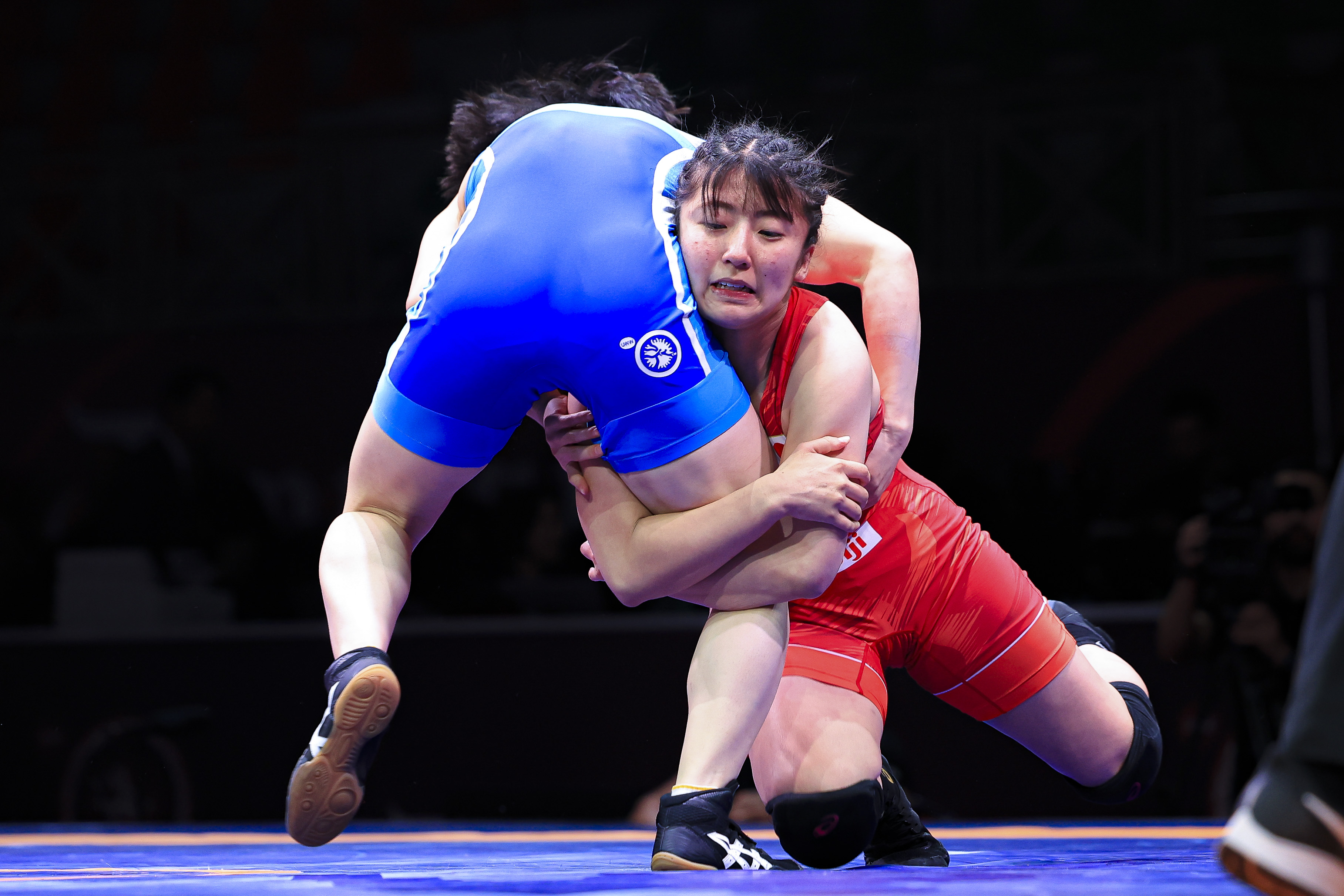 Defending and senior Asian champion Sakura ONISHI (JPN) will be in Samokov at 59kg. (Photo: United World Wrestling / Kadir Caliskan)
Women's Wrestling
50kg
Kamryn MASON (CAN)
Na HU (CHN)
Juliette LESCURE (FRA)
Josephine WRENSCH (GER)
Laura FATH (HUN)
SHRUTI (IND)
Rinka OGAWA (JPN)
Meiramgul AKHMETZHAN (KAZ)
Dilnaz ABDYKADYROVA (KGZ)
Lonisa REKA (KOS)
Adriana DANISEVICIUTE (LTU)
Olivia VAN KLEUNEN (NED)
Anna YATSKEVYCH (POL)
Reka HEGEDUS (SVK)
Songul KAVAK (TUR)
Diana RYSOVA (UKR)
Audrey JIMENEZ (USA)
Sviatlana KATENKA (UWW)
Violetta BIRIUKOVA (UWW)
Nilufar NURMUKHAMMADOVA (UZB)
53kg
Nikol ALEKSANDROVA (BUL)
Brooklyn GLASGOW (CAN)
Tianyu SUN (CHN)
Lisette BOETTKER (EST)
Liliana KAPUVARI (HUN)
SAARIKA (IND)
Angela CRAPIO CASAROLA (ITA)
Natsumi MASUDA (JPN)
Dorentina NEZAJ (KOS)
Ilona VALCHUK (POL)
Ana ROTARU (ROU)
Ya Hsin CHEN (TPE)
Sevval CAYIR (TUR)
Anastasiia POLSKA (UKR)
Abigale COOPER (USA)
Ekaterina CHIKANOVA (UWW)
Kseniya KOSTSENICH (UWW)
55kg
Nesrin SYULEYMANOVA (BUL)
Madisyn GROF (CAN)
Jing HONG (CHN)
Pau GIMENO FRANCO (ESP)
Lilya COHEN (FRA)
Evdoxia PAPADOPOULOU (GRE)
Gerda TEREK (HUN)
REENA (IND)
Fabiana RINELLA (ITA)
So TSUTSUI (JPN)
Aliana MAKHAMBETOVA (KAZ)
Khaliun BYAMBASUREN (MGL)
Amelia TOMALA (POL)
Alexandra VOICULESCU (ROU)
Tuba DEMIR (TUR)
Diana KOTVYTSKA (UKR)
Everest LEYDECKER (USA)
Kira SOLOBCHUK (UWW)
57kg
Agnia KRAKOVSKA (CAN)
RIXIWANGMU (CHN)
Romaissa EL KHARROUBI (FRA)
Anna KOEBLO (HUN)
TAPSYA (IND)
Sowaka UCHIDA (JPN)
Anna STRATAN (KAZ)
Eunso CHO (KOR)
Inna ALIMOVA (LTU)
Csilla VAN OS (NED)
Felicitas DOMAJEVA (NOR)
Tindra DALMYR (SWE)
Busra CENGIZ (TUR)
Alina FILIPOVYCH (UKR)
Carissa QURESHI (USA)
Darya ILYASEVICH (UWW)
Dolzhon TSYNGUEVA (UWW)
Sandugash DJENBAEVA (UZB)
59kg
Hiunai HURBANOVA (AZE)
Viktoria BOYNOVA (BUL)
Ella FINDING (CAN)
Yifan ZHU (CHN)
Rahma BEDIWY (EGY)
Rosa MOLINA (ESP)
Eda BALAZS (HUN)
NEHA (IND)
Sakura ONISHI (JPN)
Anel SHOKAYEVA (KAZ)
Anna TIELIEGINA (LTU)
Madalina PRISACARI (MDA)
Erdenebolor LKHAGVASUREN (MGL)
Karin SAMUELSSON (SWE)
Kai Yi LI (TPE)
Sevim AKBAS (TUR)
Mariia MIZIURKO (UKR)
Aubre KRAZER (USA)
Elena KUROVA (UWW)
Marta HETMANAVA (UWW)
62kg
Ruzanna MAMMADOVA (AZE)
Ivena BLIZNAKOVA (BUL)
Annika FINES (CAN)
YANGZHEN (CHN)
Nella HONKANIEMI (FIN)
Naemi LEISTNER (GER)
Mairi MANI (GRE)
ANJLI (IND)
Shirin TAKEMOTO (JPN)
Aidana SHORAYEVA (KAZ)
Gabriela RUDOI (MDA)
Neevis RODRIGUEZ (MEX)
Tzu Ling WU (TPE)
Busra EFE (TUR)
Anna KARBOVSKA (UKR)
Haylie JAFFEE (USA)
Ekaterina RADYSHEVA (UWW)
Karyna FISHCHUK (UWW)
Nigina SABIROVA (UZB)
65kg
Mackenzie CAYER (CAN)
Zaixue RUI (CHN)
Mouda HAMDOUN (EGY)
Leonie STEIGERT (GER)
Nikoleta BARMPA (GRE)
Viktoria PUPP (HUN)
Mansi BHADANA (IND)
Momoko KITADE (JPN)
Kyzzhibek ZHARKYNBAYEVA (KAZ)
Asema ANARKULOVA (KGZ)
Narkhajid NYAMSUREN (MGL)
Emilija JAKOVLJEVIC (SRB)
Viktoria FOELDESIOVA (SVK)
Saga SVENSSON (SWE)
Kang Yu CHIANG (TPE)
Beyza AKKUS (TUR)
Iryna BORYSIUK (UKR)
Daniella NUGENT (USA)
Aliautsina SHKURATAVA (UWW)
Margarita SALNAZARIAN (UWW)
Mukhayyo NARZILLOEVA (UZB)
68kg
Joseth MAVUNGU (ANG)
Eduarda RODRIGUES BATISTA (BRA)
Ilinka STEFANOVA (BUL)
Lene MCCRACKIN (CAN)
Wenjin QIU (CHN)
Laura KOEHLER (GER)
Maja MUNK (HUN)
SRISHTI (IND)
Ray HOSHINO (JPN)
Sabina TOREY (KAZ)
Gulnura TASHTANBEKOVA (KGZ)
Yeonwoo SONG (KOR)
Lorena DURAJ (KOS)
Odzaya ERDENEBAT (MGL)
Dominika POCHOWSKA (POL)
Maria PANTIRU (ROU)
Masa PEROVIC (SRB)
Michaela SEBOEKOVA (SVK)
Sheng Fang CAI (TPE)
Ayse ERKAN (TUR)
Oleksandra RYBAK (UKR)
Jordyn FOUSE (USA)
Liliana KAZMINA (UWW)
72kg
Zahra KARIMZADA (AZE)
Emili APOSTOLOVA (BUL)
Yuqi LIU (CHN)
Veronika VILK (CRO)
Petra MUELLER (HUN)
KAJAL (IND)
Ai SAKAI (JPN)
Meiramgul MAKSOT (KAZ)
Kaiyrkul SHARSHEBAEVA (KGZ)
Auguste GENDVILAITE (LTU)
Karolina JAWORSKA (POL)
Elvira ERSSON (SWE)
Haticenur SARI (TUR)
Daria KONSTANTYNOVA (UKR)
Jasmine ROBINSON (USA)
Viktoryia ALISEYENKA (UWW)
Kristina BRATCHIKOVA (UWW)
76kg
Rupinder JOHAL (CAN)
Cancan LIU (CHN)
Veronika NYIKOS (HUN)
PRIYA (IND)
Ayano MORO (JPN)
Alina YERTOSTIK (KAZ)
Aizharkyn ZHANYBEKOVA (KGZ)
Tuvshinjargal TARAV (MGL)
Evelin UJHELJI (SRB)
Elmira YASIN (TUR)
Nadiia SOKOLOVSKA (UKR)
Naomi SIMON (USA)
Diana TITOVA (UWW)
Sevinchoy POLVONOVA (UZB)
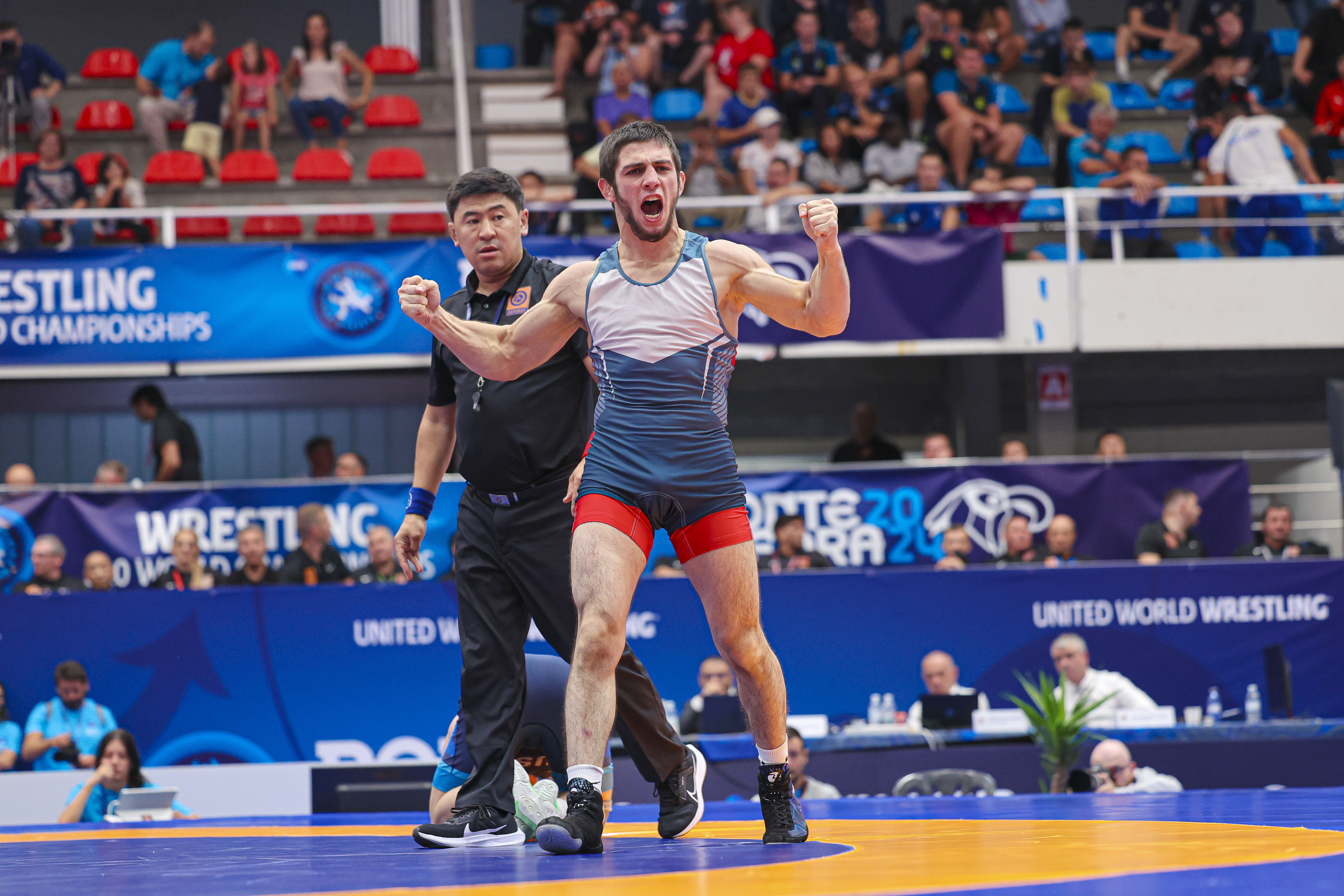 Erzu ZAKRIEV (UWW), the 63kg world U20 champion, will wrestle at 67kg. (Photo: United World Wrestling / Kadir Caliskan)
Greco-Roman
55kg
Armen GEVORGYAN (ARM)
Turan DASHDAMIROV (AZE)
Yordan TOPALOV (BUL)
Huoying SHI (CHN)
Filip BARTOSIK (CZE)
Koba KARUMIDZE (GEO)
Lenny WOERNER (GER)
Anil MOR (IND)
Payam AHMADI (IRI)
Daisuke MORISHITA (JPN)
Arsen ZHUMA (KAZ)
Omur YNTYMAK UULU (KGZ)
Abdallah DAHMANI (MAR)
Maxim SARMANOV (MDA)
Raducu BEDRIAGA (ROU)
Nuryagdy DOVRANOV (TKM)
Mehmet SARP (TUR)
Nazarii BABINSKYI (UKR)
Caleb NOBLE (USA)
Ivan SOLOMIN (UWW)
Rasim IBRAHIMAU (UWW)
Jonpulat TULKINBOEV (UZB)
60kg
Yurik MKHITARYAN (ARM)
Aykhan JAVADOV (AZE)
Pedro DE SOUZA (BRA)
Kristin PETROV (BUL)
Augusto VARGAS (CHI)
Yunlong HU (CHN)
Noa LJUBIC (CRO)
Ahmed SHABAN (EGY)
Lucas LO GRASSO (FRA)
Vakhtang LOLUA (GEO)
SURAJ (IND)
Mohammadamin ABDEVALI (IRI)
Takuma NAKASHIMA (JPN)
Salamat MURATULY (KAZ)
Kubanych ARINOV (KGZ)
Sorin COSTIN (MDA)
Kacper SOBCZYK (POL)
Dragos DRAGA (ROU)
Adam SILVERIN (SWE)
Husniddin ULUGBEKOV (TKM)
Omer ALTAS (TUR)
Maksut SULTANOV (UKR)
Isaiah CORTEZ (USA)
Danila CHARAPENKA (UWW)
Papik DZHAVADIAN (UWW)
Khurshidbek NORMUKHAMMADOV (UZB)
63kg
Aleks MARGARYAN (ARM)
Tural AHMADOV (AZE)
Kristiyan MILENKOV (BUL)
Hao YANG (CHN)
Clisman CARRACEDO (ECU)
Al Bara CHOPALAEV (EST)
Tsotne BUKIA (GEO)
Lukas BENZING (GER)
Bende OLASZ (HUN)
GAURAV (IND)
Javad ABOUTALEBI (IRI)
Manato NAKAMURA (JPN)
Damir IBRASHOV (KAZ)
Emirlan DUISHENALIEV (KGZ)
Dumitru RAPESCO (MDA)
Ilias LAAOUINA (NED)
Ionut MEREUTA (ROU)
William EKEROT (SWE)
Murat ARIKOGLU (TUR)
Vadym MATROS (UKR)
Landon DRURY (USA)
Igor PUNCHENKO (UWW)
Yauheni SHVED (UWW)
Aytjan KHALMAKHANOV (UZB)
67kg
Narek GRIGORIAN (ARM)
Isa BEKTEMIROV (AUT)
Faraim MUSTAFAYEV (AZE)
Lucas MARCIEL DA SILVA (BRA)
Dimitar GEORGIEV (BUL)
Zhaoyan LIU (CHN)
Martin CICHY (CZE)
Mohamed ABDELREHIM (EGY)
Ilian DOUBACH (FRA)
Anri KHOZREVANIDZE (GEO)
Kevin KARL (GER)
Attila JOZSA (HUN)
ANUJ (IND)
Gholamreza ABDOVALI (IRI)
Takaku SUZUKI (JPN)
Alibek TURLYGAZY (KAZ)
Zhantoro MIRZALIEV (KGZ)
Mingun JEONG (KOR)
Vlad DANALACHI (MDA)
Jakub SUCHECKI (POL)
Pavel ALEXE (ROU)
Dejan BERKEC (SRB)
Saya BRUNNER (SUI)
Abdullah KESKIN (TUR)
Vladyslav POKOTYLO (UKR)
Otto BLACK (USA)
Erzu ZAKRIEV (UWW)
Ihar ZVARYKIN (UWW)
Fayozbek ESHMIRZAEV (UZB)
72kg
Gaspar TERTERYAN (ARM)
Seymur GASIMOV (AZE)
Sergey STOEV (BUL)
Xin CHEN (CHN)
Jure RAJKOVIC (CRO)
Shaaban IBRAHIM (EGY)
Oliver PADA (FIN)
Aleksandre RUSITASHVILI (GEO)
Arionas KOLITSOPOULOS (GRE)
Bendeguz FELKAI (HUN)
VINIT (IND)
Ahmadreza MOHAMADIAN (IRI)
Timur NADORGIN (ISR)
Daichi TSUTSUMI (JPN)
Yussuf ASHRAPOV (KAZ)
Kutman TEMIRBEKOV (KGZ)
Vladimir PASCARI (MDA)
Jorge GOMEZ (MEX)
Hubert SIDORUK (POL)
Ruben STRAAKEVED (SWE)
Ibrahim OZDEMIR (TUR)
Anatolii PASNAK (UKR)
Joel ADAMS (USA)
Rabil ASKEROV (UWW)
Ahmad KODIROV (UZB)
77kg
Samvel TERTERYAN (ARM)
Davud MAMMADOV (AZE)
Azis ATANASOV (BUL)
Renheng CEN (CHN)
Miro LEINONEN (FIN)
Anri PUTKARADZE (GEO)
Dominik BOTOS (HUN)
AMAN (IND)
Ahoura BOUVEIRI PIANI (IRI)
Ruslan NESTERENKO (ISR)
Naoki KADODE (JPN)
Akzhan YKYLASSOV (KAZ)
Raatbek PAIAZBEKOV (KGZ)
Constantin TASCA (MDA)
Zalan PEK (SRB)
Yusuf TOSUN (TUR)
Petro SHAFRANSKYI (UKR)
Leister BOWLING (USA)
Kiryl VALEUSKI (UWW)
Zaur BESLEKOEV (UWW)
Amirshoh VAHOBOV (UZB)
82kg
Martik PETROSYAN (ARM)
Elmin ALIYEV (AZE)
Martin SHISHEKOV (BUL)
Shengsong WANG (CHN)
Mihael LUKAC (CRO)
Santeri KARPPINEN (FIN)
Anri DAVITADZE (GEO)
Dominic ARNOLD (GER)
Emmanouil NIKOLAIDIS (GRE)
Szabolcs SZINAY (HUN)
PRINCE (IND)
Hamed AZARSHAB (IRI)
Taizo YOSHIDA (JPN)
Dias SEITKALIYEV (KAZ)
Yrisbek KALYEV (KGZ)
Oskar LUBERA (POL)
Antal VAMOS (SRB)
Omer ILDES (TUR)
Kyrylo SHNYROV (UKR)
Arvin KHOSRAVY (USA)
Mikhail SHKARIN (UWW)
Azimjon SOATULLAEV (UZB)
87kg
Erik TER MATEVOSYAN (ARM)
Paul MAIER (AUT)
Orkhan HAJIYEV (AZE)
Petyo ANGELOV (BUL)
Tianming ZHANG (CHN)
Antonio LUKAC (CRO)
Josef CERNY (CZE)
Elias LYYSKI (FIN)
Luka KOCHALIDZE (GEO)
ROHIT (IND)
Amirsam MOHAMMADI (IRI)
Itzhak NEMSADZE (ISR)
Isshin ONITSUKA (JPN)
Temirlan TURDAKYN (KAZ)
Adilet KENZHEBEKOV (KGZ)
Martin LJOSAAK (NOR)
Wojciech IWANOWSKI (POL)
Gabriel STAN (ROU)
Branko DUKIC (SRB)
Yasin CAKIR (TUR)
Pavlo TORIANYK (UKR)
Nicholas NOSLER (USA)
Abdurakhman ABDULKADYROV (UWW)
97kg
Grisha VOSKANYAN (ARM)
Ismayil RZAYEV (AZE)
Affan SMAJIC (BIH)
Yikai KAN (CHN)
Andrej RODIN (CRO)
Gor AYVAZYAN (GEO)
Darius KIEFER (GER)
Dimitrios PAPPAS (GRE)
Vendel VITAI (HUN)
NAMAN (IND)
Hadi SEYDI AVENDI (IRI)
Ryosei KATAMATSU (JPN)
Nurassyl AMANALY (KAZ)
Salakhidin AKNAZAROV (KGZ)
Jaeno CHOI (KOR)
Sebastian WARCHOL (POL)
Emir BOZBAG (TUR)
Yehor YAKUSHENKO (UKR)
Soren HERZOG (USA)
Ilia KOMAROV (UWW)
Pavel SAVITSKI (UWW)
Amirkhon BERDIKULOV (UZB)
130kg
Davit BAGHRAMYAN (ARM)
Leonhard JUNGER (AUT)
Mazaim MARDANOV (AZE)
Yeersheng YEERGEN (CHN)
Saba PURTSELADZE (GEO)
Dionysios ZOUGRIS (GRE)
Koppany LASZLO (HUN)
Uttam RANA (IND)
Abolfazl FATHITAZANGI (IRI)
Kosei MIYAKE (JPN)
Kuanysh AMANGELDI (KAZ)
Talasbek BOOBEKOV (KGZ)
Seunggyu MIN (KOR)
Mateusz BIENCZAK (POL)
Cemal BAKIR (TUR)
Ivan YANKOVSKYI (UKR)
Shilo JONES (USA)
Ali ILIASOV (UWW)
Viachaslau FEDARYNA (UWW)



Share your thoughts.
Comments