

Focus on Learning: Armenia Hosts Courses for Freestyle Coaches and Referees
Tuesday, April 28, 2026 - 11:29 By United World Wrestling Press
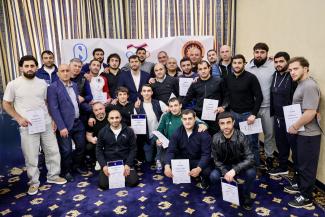
YEREVAN, Armenia (April 24) -- Other the past few years, Armenia has conducted multiple coaching and referee courses.
Last year, it held a course specifically designed for Greco-Roman coaches. This year, Armenia organized the same course but with an emphasis on Freestyle. The coaching course was conducted from April 10 to 14 in Yerevan.
In addition to the coaching course, a Referee Foundations course was conducted from April 14 to 17. Both courses were conducted in conjunction with Olympic Solidarity, Armenia NOC, and United World Wrestling.
The Level 2 coaching course was led by Yusup ABDUSALAMOV and was attended by 37 participants. The course focused on performance analysis, developing training plans, risk management, athlete well-being, and athlete safeguarding. The coaches participated in theoretical and practical sessions that helped provided a better understanding of the concepts.
"The participants demonstrated a positive attitude and engagement throughout the course. They showed a willingness to learn and apply new coaching methodologies, which is a good indicator of future development potential. Abdusalamov said.
"We highly appreciate the organization and delivery of the UWW Level 2 coaching course in Armenia. The program introduced modern coaching approaches and provided valuable knowledge for our coaches." Arayik BAGHDADYAN, Secretary General of Armenia Wrestling Federation, said.
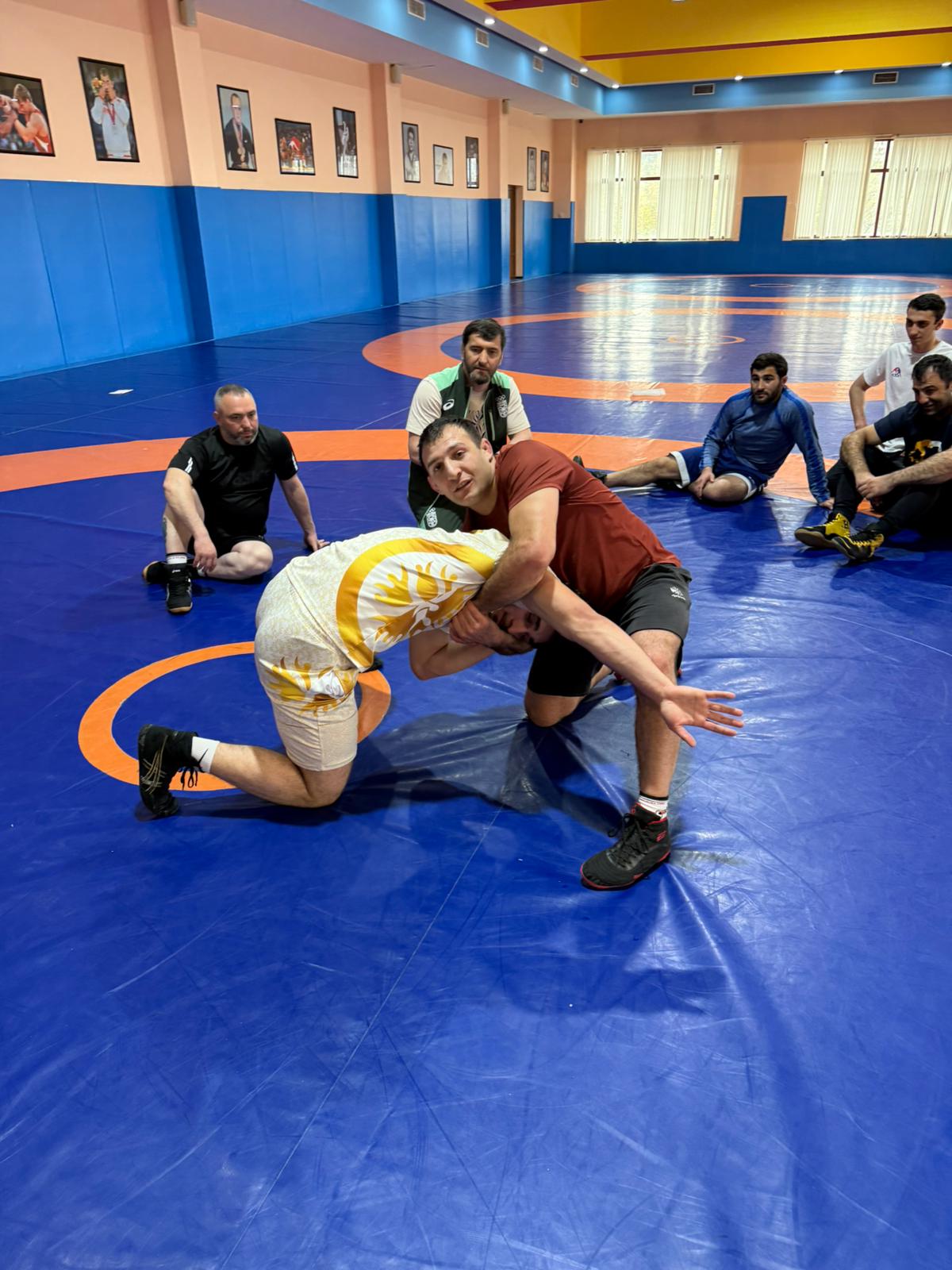
Following the U20 National Championships, the Level 2 Referee Foundations course was led by Igor LIGAY. This course was attended by 25 participants which included national and international referees, coaches and the head Greco-Roman coach from Armenia.
This course covered various topics that included the updated UWW rules, evaluating actions, referee positioning, and coordination of the refereeing team. The participants learned through interactive sessions and practical on-the-mat experience.
"This seminar had a significant impact on my athletic development. As an athlete who participates in international competitions, I found the technical details and practical approaches presented to be especially valuable, as they can be directly applied on the mat," Srbuhi HOVAKIMYAN, who participated in the coaching course, said.
Share your thoughts.
Comments