

European Olympic Games Qualifier Entries
Wednesday, March 10, 2021 - 15:44 By Eric Olanowski

BUDAPEST, Hungary (March 10) --- Hungary's capital city of Budapest will host 280 athletes from 35 different nations for the European Olympic Games Qualifier (March 18-21). The top two wrestlers at each weight class will qualify their nation for August's Tokyo Olympic Games.
The European Olympic Games Qualifier will be the third qualifying event for the Olympic Games. Wrestlers who finished top-six at the '19 World Championships in Nur-Sultan and top-two at the Pan-American Olympic Qualifier punched their nation's ticket to The Games.
Wrestling begins on Thursday, March 18, and can be followed live on www.unitedworldwrestling.org.
Freestyle
57kg
Arsen HARUTYUNYAN (ARM)
Giorgi EDISHERASHVILI (AZE)
Uladzislau ANDREYEU (BLR)
Georgi Valentinov VANGELOV (BUL)
Levan METREVELI VARTANOV (ESP)
Beka BUJIASHVILI (GEO)
Niklas STECHELE (GER)
Gamzatgadzsi HALIDOV (HUN)
Simone Vincenzo PIRODDU (ITA)
Vladimir EGOROV (MKD)
Razvan Marian KOVACS (ROU)
Andrii YATSENKO (UKR)
65kg
Vazgen TEVANYAN (ARM)
Haji ALIYEV (AZE)
Niurgun SKRIABIN (BLR)
Vladimir Vladimirov DUBOV (BUL)
Juan Pablo GONZALEZ CRESPO (ESP)
Ilman MUKHTAROV (FRA)
George Anthony RAMM (GBR)
Vladimer KHINCHEGASHVILI (GEO)
Alexander SEMISOROW (GER)
Georgios PILIDIS (GRE)
Abdellatif MANSOUR (ITA)
Elmedin SEJFULAU (MKD)
Magomedmurad GADZHIEV (POL)
George BUCUR (ROU)
David HABAT (SLO)
Selahattin KILICSALLAYAN (TUR)
Vasyl SHUPTAR (UKR)
74kg
Eriglent PRIZRENI (ALB)
Hrayr ALIKHANYAN (ARM)
Simon MARCHL (AUT)
Khadzhimurad GADZHIYEV (AZE)
Mahamedkhabib KADZIMAHAMEDAU (BLR)
Ali Pasha Ruslanovich UMARPASHAEV (BUL)
Jonatan ALVAREZ DIAZ (ESP)
Erik REINBOK (EST)
Charles André AFA (FRA)
Amir Reza GHASEMIKIA (GBR)
Avtandil KENTCHADZE (GEO)
Georgios KOUGIOUMTSIDIS (GRE)
Murad KURAMAGOMEDOV (HUN)
Csaba VIDA (HUN)
Mitchell Louis FINESILVER (ISR)
Andrius MAZEIKA (LTU)
Maxim VASILIOGLO (ROU)
Malik Michael AMINE (SMR)
Marc DIETSCHE (SUI)
Tajmuraz Mairbekovic SALKAZANOV (SVK)
Soner DEMIRTAS (TUR)
Denys PAVLOV (UKR)
86kg
Hovhannes MKHITARYAN (ARM)
Abubakr ABAKAROV (AZE)
Ali SHABANAU (BLR)
Akhmed Adamovitch MAGAMAEV (BUL)
Taimuraz FRIEV NASKIDAEVA (ESP)
Ville Tapani HEINO (FIN)
Akhmed AIBUEV (FRA)
Sandro AMINASHVILI (GEO)
Ahmed Ruslanovic DUDAROV (GER)
Georgios SAVVOULIDIS (GRE)
Istvan VEREB (HUN)
Patrik SZUROVSZK I(HUN)
Milan MESTER (HUN)
Uri KALASHNIKOVI (SR)
Simone IANNATTONI (ITA)
Ivars SAMUSONOKS (LAT)
Zbigniew Mateusz BARANOWSKI (POL)
Boris MAKOEV (SVK)
Osman GOCEN (TUR)
Mukhammed ALIIEV (UKR)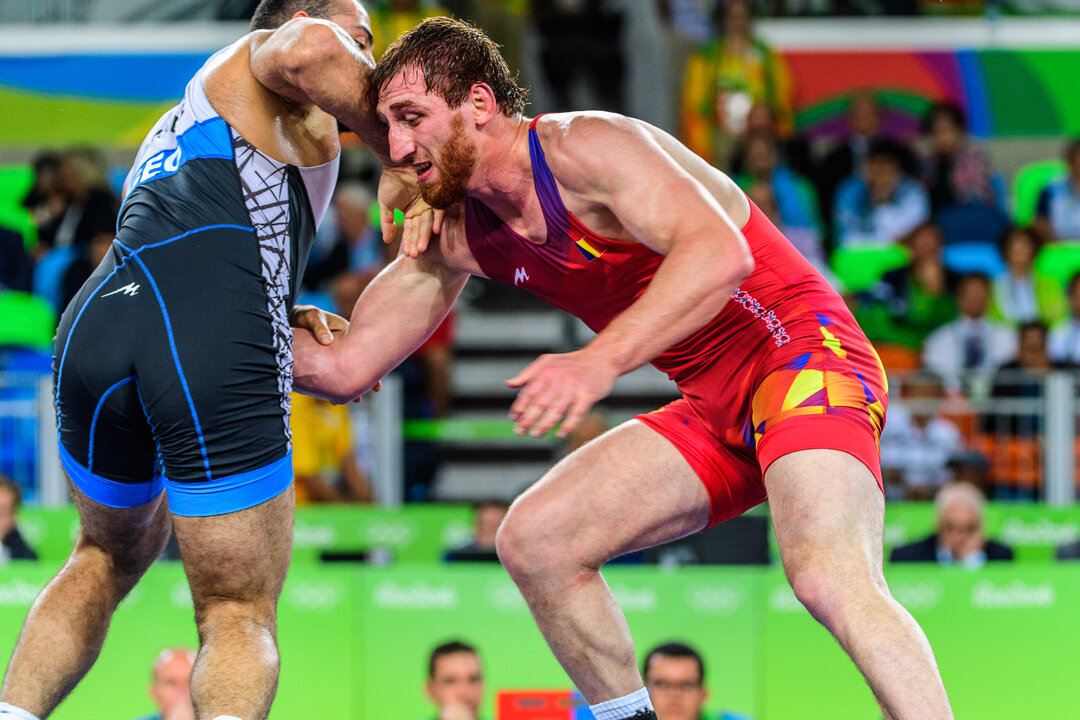
Rio Olympic bronze medalist Albert SARITOV (ROU) will compete at 97kg. (Photo: Tony Rotundo)
97kg
Aliaksandr HUSHTYN (BLR)
Ahmed Sultanovich BATAEV( BUL)
Erik Sven THIELE (GER)
Timofei XENIDIS (GRE)
Milan Andras KORCSOG (HUN)
Abraham de Jesus CONYEDO RUANO (ITA)
Lukas KRASAUSKAS (LTU)
Albert SARITOV (ROU)
Radoslaw BARAN (POL)
Samuel SCHERRER (SUI)
Suleyman KARADENIZ (TUR)
Mahamed ZAKARIIEV (UKR)
125kg
Paris KAREPI (ALB)
Johannes LUDESCHER (AUT)
Jamaladdin MAGOMEDOV (AZE)
Dzianis KHRAMIANKOU (BLR)
Georgi Lyubomirov IVANOV (BUL)
Jose CUBA VAZQUEZ (ESP)
Jere Tapani HEINO (FIN)
Gennadij CUDINOVIC (GER)
Daniel LIGETI (HUN)
Robert BARAN (POL)
Shamil SHARIPOV (RUS)
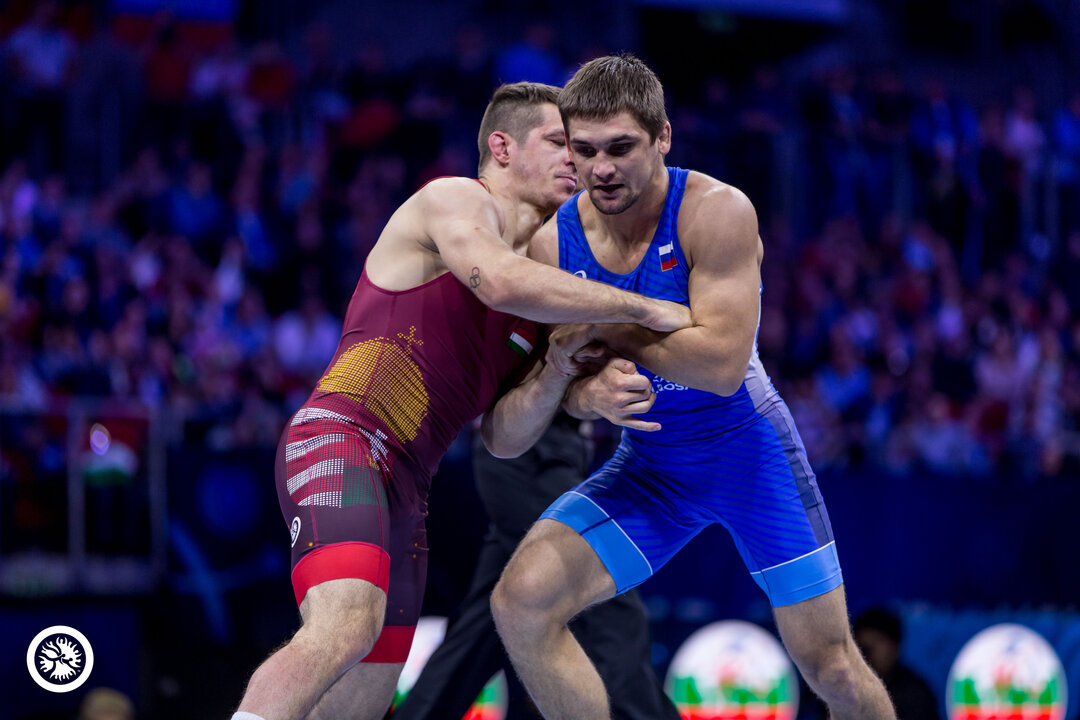
'17 world champion Aleksandr CHEKHIRKIN (RUS) will be Russia's rep at 77kg. (Photo: Gabor Martin)
Greco-Roman
60kg
Gevorg GHARIBYAN (ARM)
Murad MAMMADOV (AZE)
Soslan DAUROV (BLR)
Edmond Armen NAZARYAN (BUL)
Helary MAEGISALU (EST)
Irakli DZIMISTARISHVILI (GEO)
Juuso Aleksi LATVALA (FIN)
Etienne KINSINGER (GER)
Krisztian KECSKEMETI (HUN)
Erik TORBA (HUN)
Jacopo SANDRON (ITA)
Justas PETRAVICIUS (LTU)
Stig Andre BERGE (NOR)
Dawid Andrzej ERSETIC (POL)
Razvan ARNAUT (ROU)
Ardit FAZLJIJA (SWE)
Kerem KAMAL (TUR)
67kg
Slavik GALSTYAN (ARM)
Islambek DADOV (AZE)
Aliaksandr LIAVONCHYK (BLR)
Ivo Krasimirov ILIEV (BUL)
Elmer Joakim MATTILA (FIN)
Mamadassa SYLLA (FRA)
Ramaz ZOIDZE (GEO)
Krisztian Istvan VANCZA (HUN)
Balint KORPASI (HUN)
Ruben MARVICE (ITA)
Edgaras VENCKAITIS (LTU)
Morten THORESEN (NOR)
Gevorg SAHAKYAN (POL)
Mihai Radu MIHUT (ROU)
Andreas VETSCH (SUI)
Daniel Mattias SOINI (SWE)}
Atakan YUKSEL (TUR)
Artur POLITAIEV (UKR)
Aker AL OBAIDI (UWW)
77kg
Sanan SULEYMANOV (AZE)
Viktar SASUNOUSKI (BLR)
Aik MNATSAKANIAN (BUL)
Oldrich VARGA (CZE)
Matias Olavi Iisakki LIPASTI (FIN)
Johnny Just BUR (FRA)
Gela BOLKVADZE (GEO)
Pascal EISELE (GER)
Georgios PREVOLARAKIS (GRE)
Roman ZHERNOVETSKI (ISR)
Luca DARIOZZI (ITA)
Paulius GALKINAS (LTU)
Per Anders KURE (NOR)
Mateusz Lukasz WOLNY (POL)
Ilie COJOCARI (ROU)
Aleksandr CHEKHIRKIN (RUS)
Viktor NEMES (SRB)
Mate NEMES (SRB)
Denis HORVATH (SVK)
Fatih CENGIZ (TUR)
Yaroslav FILCHAKOV (UKR)
87kg
Artur SHAHINYAN (ARM)
Michael WAGNER (AUT)
Islam ABBASOV (AZE)
Tarek Mohamed ABDELSLAM SHEBLE MOHAMED (BUL)
Petr NOVAK (CZE)
Vili Tapio ROPPONEN (FIN)
Lasha GOBADZE (GEO)
Dimitrios PAPADOPOULOS (GRE)
Fabio PARISI (ITA)
Martynas NEMSEVICIUS (LTU)
Szymon SZYMONOWICZ (POL)
Milad ALIRZAEV (RUS)
Zurabi DATUNASHVILI (SRB)
Ramon Rainer BETSCHART (SUI)
Kristoffer Zakarias BERG (SWE)
Metehan BASAR (TUR)
97kg
Markus RAGGINGER (AUT)
Murat LOKIAYEV (AZE)
Aliaksandr HRABOVIK (BLR)
Kiril Milenov MILOV (BUL)
Artur OMAROV (CZE)
Arvi Martin SAVOLAINEN (FIN)
Melonin NOUMONVI (FRA)
Ramsin AZIZSIR (GER)
Laokratis KESIDIS (GRE)
Alex Gergo SZOKE (HUN)
Erik SZILVASSY (HUN)
Balazs KISS (HUN)
Nikoloz KAKHELASHVILI (ITA)
Vilius LAURINAITIS (LTU)
Felix BALDAUF (NOR)
Damian VON EUW (SUI)
Pontus Johan LUND (SWE)
Oleksandr SHYSHMAN (UKR)
130kg
David OVASAPYAN (ARM)
Beka KANDELAKI (AZE)
Georgi CHUGOSHVILI (BLR)
Radoslav Plamenov GEORGIEV (BUL)
Stepan DAVID (CZE)
Konsta Johannes MAEENPAEAE (FIN)
Nikolaos NTOUNIAS (GRE)
Adam VARGA (HUN)
Mantas KNYSTAUTAS (LTU)
Oskar MARVIK (NOR)
Rafal Andrzej KRAJEWSKI (POL)
Alin ALEXUC CIURARIU (ROU)
Sergei SEMENOV (RUS)
Boban ZIVANOVIC (SRB)
Mykola KUCHMII (UKR)
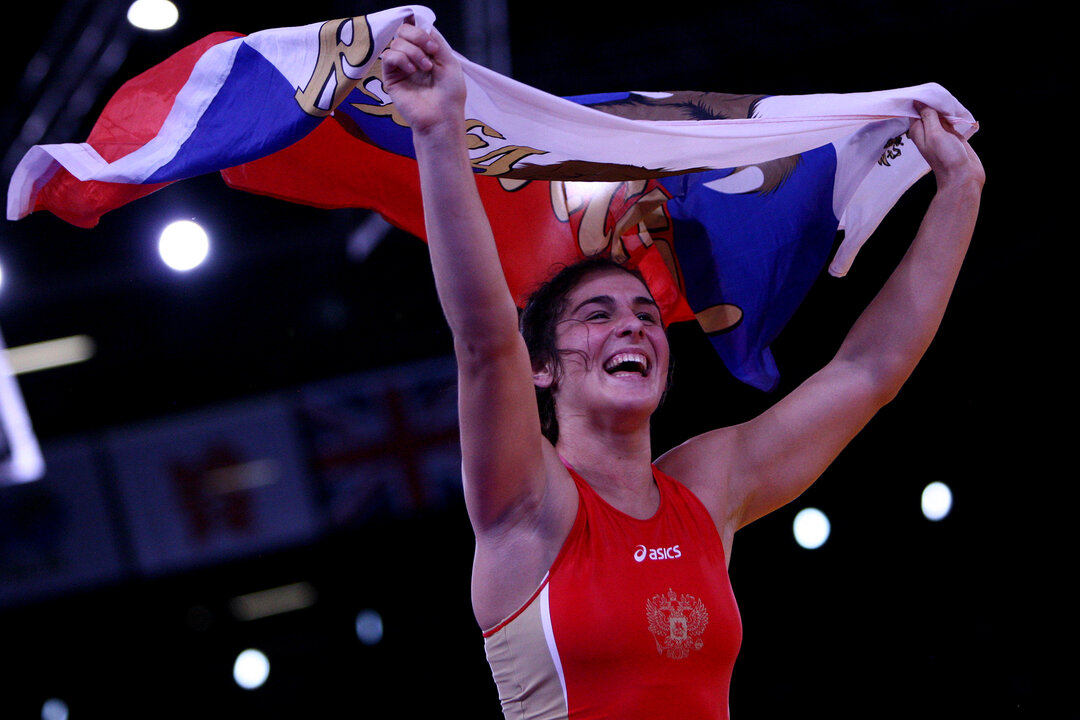 London Olympic champion Natalia VOROBEVA (RUS) will compete at 76kg. (Photo: Gabor Martin)
Women's Wrestling
50kg
Natallia VARAKINA (BLR)
Miglena Georgieva SELISHKA (BUL)
Taru Marketta VAINIONPAEAE (FIN)
Julie Martine SABATIE (FRA)
Lisa ERSEL (GER)
Iwona Nina MATKOWSKA (POL)
Emma Jonna Denise MALMGREN (SWE)
Evin DEMIRHAN (TUR)
53kg
Leyla GURBANOVA(AZE)
Vanesa KALADZINSKAYA (BLR)
Sezen Behchetova BELBEROVA (BUL)
Marina RUEDA FLORES (ESP)
Nina HEMMER( GER)
Mercedesz DENES (HUN)
Szimonetta Timea SZEKER (HUN)
Jessica Cornelia Francisca BLASZKA (NED)
Andreea Beatrice ANA (ROU)
Stalvira ORSHUSH (RUS)
Sofia Magdalena MATTSSON (SWE)
Zeynep YETGIL (TUR)
Mariia VYNNYK (UKR)
57kg
Alyona KOLESNIK (AZE)
Evelina Georgieva NIKOLOVA (BUL)
Graciela SANCHEZ DIAZ (ESP)
Laura MERTENS (GER)
Emese BARKA (HUN)
Ramona GALAMBOS (HUN)
Aurora RUSSO (ITA)
Grace Jacob BULLEN (NOR)
Kateryna ZHYDACHEVSKA (ROU)
Veronika CHUMIKOVA (RUS)
Sara Johanna LINDBORG (SWE)
Bediha GUN (TUR)
Alina HRUSHYNA AKOBIIA (UKR)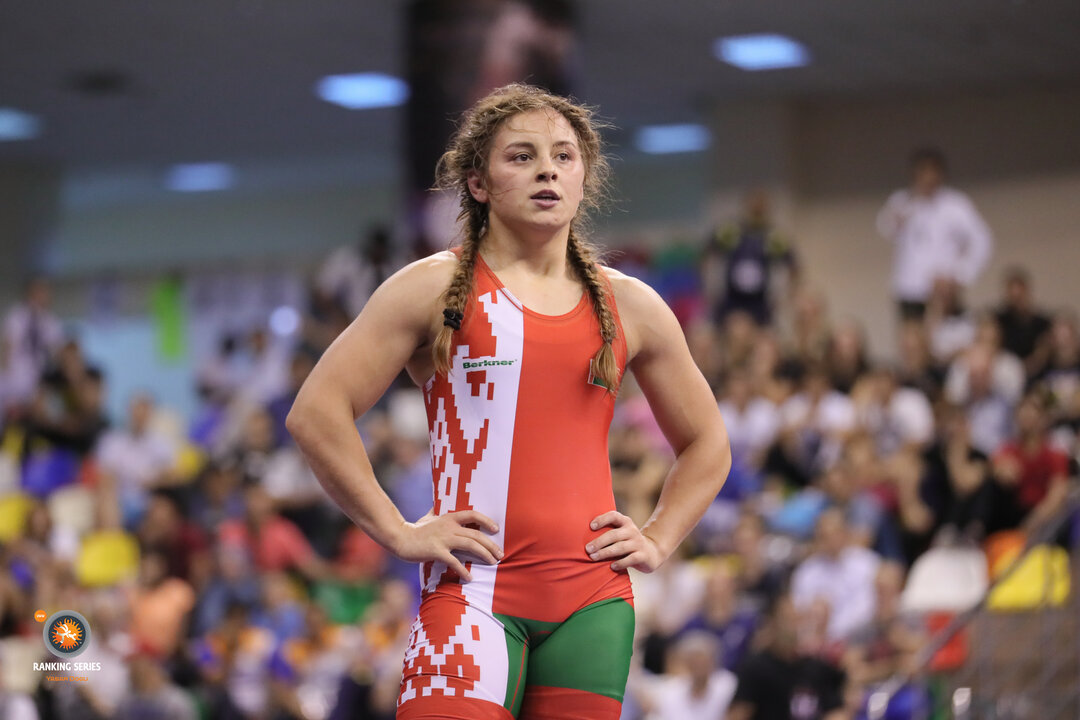 Rio Olympic runner-up Maryia MAMASHUK (BLR) headlines the 62kg entries. (Photo: Gabor Martin)
62kg
Tetiana OMELCHENKO(AZE)
Maryia MAMASHUK (BLR)
Lydia PEREZ TOURINO (ESP)
Ameline DOUARRE (FRA)
Luisa Helga Gerda NIEMESCH (GER)
Sara DA COL (ITA)
Anastasija GRIGORJEVA (LAT)
Mariana CHERDIVARA ESANU (MDA)
Katarzyna MADROWSKA (POL)
Kriszta Tunde INCZE (ROU)
Liubov OVCHAROVA (RUS)
Elif Jale YESILIRMAK (TUR)
Iryna KOLIADENKO (UKR)
68kg
Elis MANOLOVA (AZE)
Hanna SADCHANKA (BLR)
Yuliana Vasileva YANEVA (BUL)
Adela HANZLICKOVA (CZE)
Koumba Selene Fanta LARROQUE (FRA)
Noémi SZABADOS (HUN)
Ilana KRATYSH (ISR)
Dalma CANEVA (ITA)
Danute DOMIKAITYTE (LTU)
Irina RINGAC I(MDA)
Agnieszka Jadwiga WIESZCZEK KORDUS (POL)
Alexandra Nicoleta ANGHEL (ROU)
Khanum VELIEVA (RUS)
Buse TOSUN (TUR)
76kg
Martina KUENZ (AUT)
Gozal ZUTOVA (AZE)
Vasilisa MARZALIUK (BLR)
Mariya Gerginova ORYASHKOVA (BUL)
Pauline Denise LECARPENTIER (FRA)
Georgina Olwen NELTHORPE (GBR)
Aikaterini Eirini PITSIAVA (GRE)
Zsanett NEMETH (HUN)
Bernadett NAGY (HUN)
Eleni PJOLLAJ (ITA)
Kamile GAUCAITE (LTU)
Iselin Maria Moen SOLHEIM (NOR)
Natalia Iwona STRZALKA (POL)
Catalina AXENTE (ROU)
Natalia VOROBEVA (RUS)
Yasemin ADAR (TUR)
Alla BELINSKA (UKR)

Share your thoughts.
Comments