

Bulgaria Hosts Successful 'More Than Medals' Wrestling Development Camp
Tuesday, August 13, 2019 - 13:54 By Tim Foley

CORSIER-SUR-VEVEY, Switzerland (August 13) -- The United World Wrestling development department, along with the Bulgarian Wrestling Federation, last week hosted the annual 'More than Medals' World Camp (MTM) with more than 30 athletes and a half dozen coaches from several nations in attendance. The camp followed the 2019 Cadet Wrestling World Championships also held in Sofia.
MTM is a full athlete developmental clinic focusing on both techniques and education for athletes ages 14-17. Clinicians covered how to plan for training, Olympic values, and proper nutrition. There was also an anti-doping seminar led by Mrs. Elka GALEVA of the Bulgarian National Anti-Doping Organization.
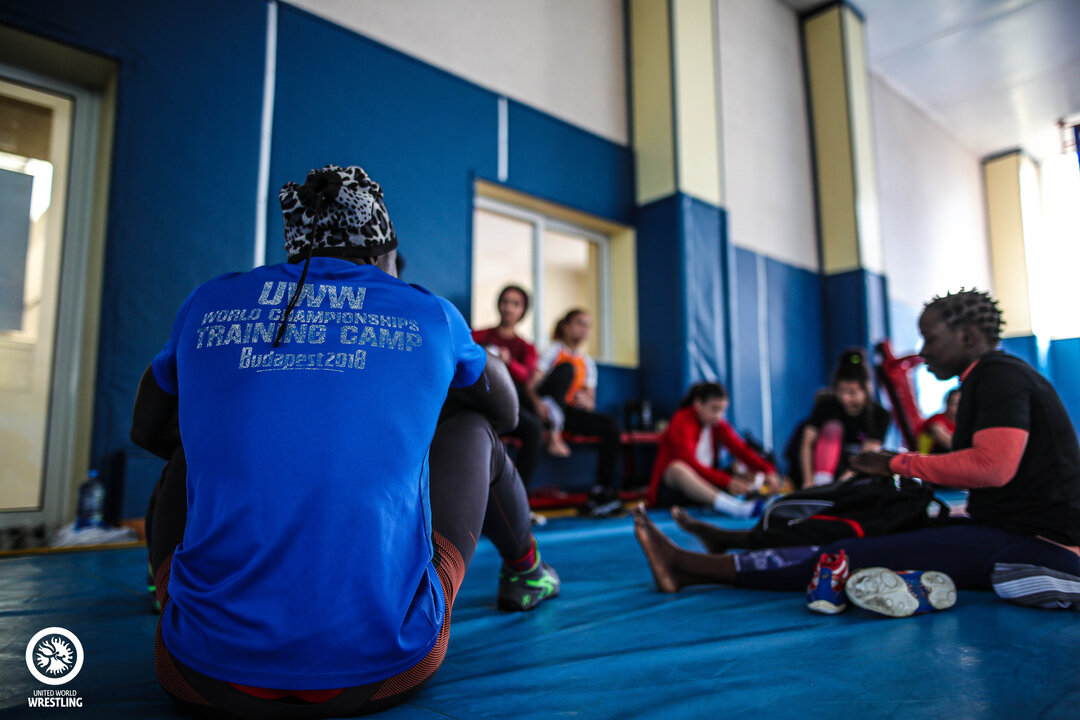
"The atmosphere in Sofia was great! Everyone shifted very quickly from being opponents to friends," said UWW Development Director Deqa NIAMKEY. "Despite coming from different countries and languages the wrestlers found ways to unify. Wrestling is a universal language and our programs aim to enhance the knowledge and capacities of our athletes."
For the first time ever, the MTM camp included athletes and coaches from Spain and Estonia.
"This was my first More Than Medals camp and I thought that the UWW educators were very good and that the services were excellent," said Martin PLASER (EST). "They adapt the training to each individual and bring out the best from each participant. They give chance to learn to each athlete while respecting everyone’s background and culture."
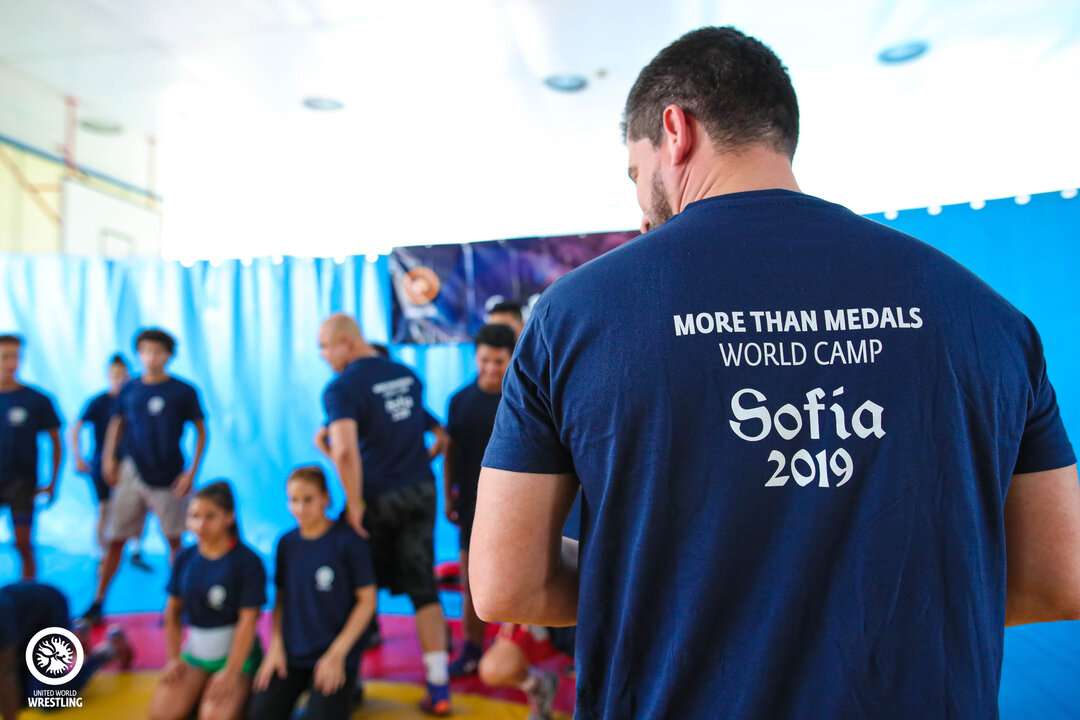
Local athletes also joined in the learning with five local wrestlers attending the camp and taking in lessons from a variety of UWW instructors.
"We are very happy to be here and we made some great friends," said wrestler Sofia TENEVA (BUL). "It is good to learn the working and training methods of others. To learn from each other and we will gladly participate in future camps"
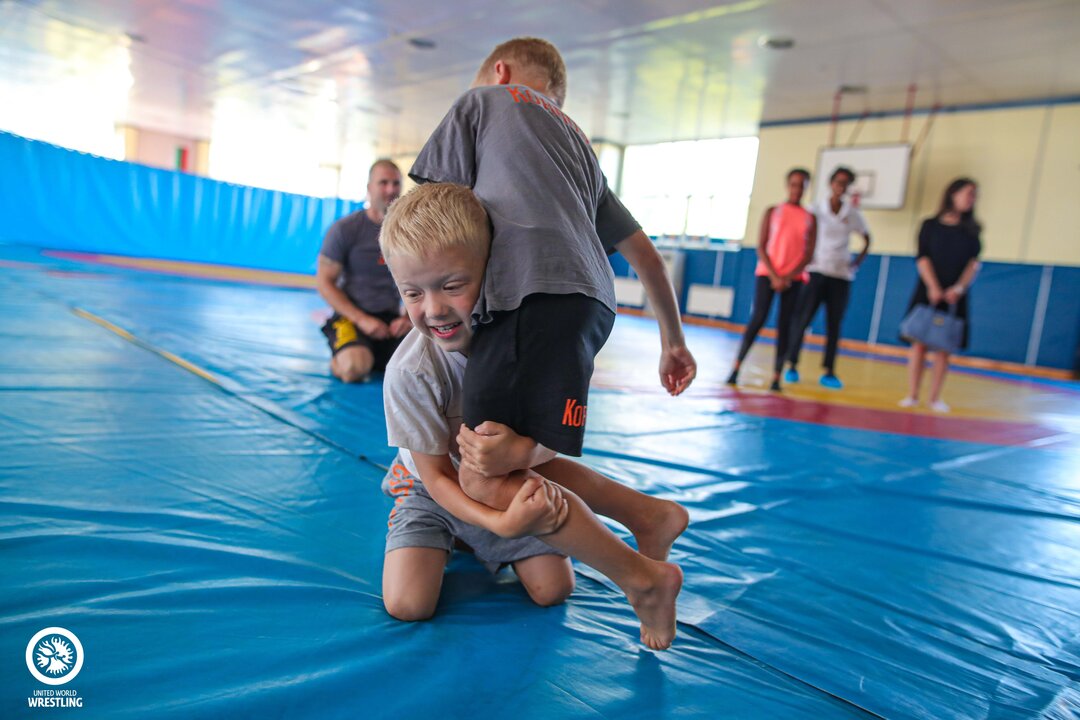
In fulfilling their mission to provide wrestling opportunities to all wrestlers around the world, the UWW Development Department will next host an acclimation camp for the 2019 Senior Wrestling World Championships this September in Nur-Sultan.


Share your thoughts.
Comments