#development

South Africa Advances National Wrestling System with DNSS Phase 2

By United World Wrestling Press

PRETORIA, South Africa (April 8) -- South Africa has reached a decisive milestone in its long-term wrestling development strategy with the successful implementation of Phase 2 of the Development of National Sport System (DNSS) programme, delivered in collaboration with United World Wrestling (UWW) and supported by Olympic Solidarity.

Following the diagnostic and mapping phase conducted earlier, Phase 2 marks a clear transition from analysis to structured implementation, laying the foundation for a sustainable and internationally aligned wrestling system.

Led by UWW Development Officer Vincent AKA, in close cooperation with the South African Wrestling Federation (SAWF), the National Head Coach, Markus DEKKER and Provincial Coordinators, the programme was deployed across multiple provinces through a structured 10-day intervention from March 2 to 13. 

Activities were conducted in key locations including:

· LPWA (Ion Bachu)
· CGWA (Ruiter)
· NGWA (Menlo Park Hall)
· Frank Joubert Tournament (Menlo Park Hall)

This nationwide approach ensured direct engagement with provincial structures, strengthening alignment between national leadership and local associations while promoting inclusive development across the country.

From Talent Identification to System Building

Unlike traditional training camps, DNSS Phase 2 focused on identifying talent and building long-term development systems. Wrestlers and coaches from all age categories -- U13, U15, U17, U20, and Senior -- were actively involved, ensuring a complete pathway approach.

Provincial visits and stakeholder meetings played a key role in assessing facilities and operational structures, strengthening coordination between SAWF and provinces, and identifying emerging wrestlers.

Building Athlete Pipeline

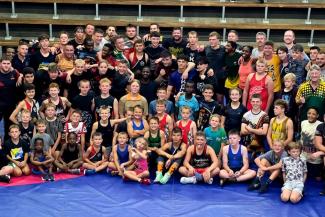
A training camp for different provinces brought together wrestler to consolidate talent identified during Phase 1 and introduce standardized training methodologies.

The training camp included technical sessions, physical conditioning, match simulations and wrestling. The initiative contributed to the creation of an updated national prospect and the foundation of a structured athlete monitoring system.
South Africa

Beach Wrestling Gains Momentum

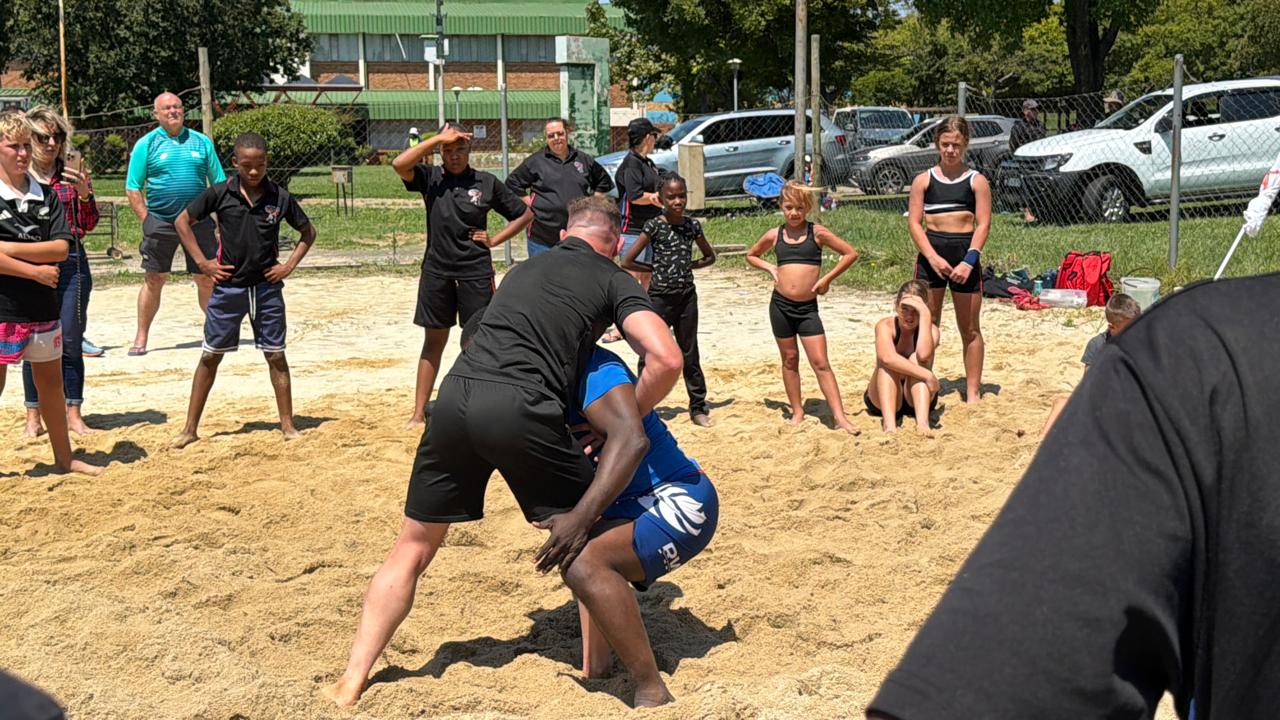
As part of the DNSS activities, a Beach Wrestling training session in Roodepoort highlighted the programme’s expanding impact.

During the visit, Aka led a specialized session, sharing advanced technical insights adapted to beach wrestling. It included stance and balance adjustments, grip and control techniques, and movement adaptation on sand.

The training programme comes at a crucial time, as South African athletes prepare for African Beach Wrestling Championships in Alexandria, Egypt and other international tournaments.

#development

Guinea Bissau Hosts Successful REDT as Part of Dakar 2026 Youth Olympics Preparation

By United World Wrestling Press

BISSAU, Guinea-Bissau (April 17) -- As part of the ongoing efforts to strengthen wrestling development in Africa and in preparation for the Dakar 2026 Youth Olympic Games, the Regional Education and Development Tournament (REDT) for West Africa was successfully held in Bissau, Guinea-Bissau, from April 6 to12, 2026.

Organized by the Guinea-Bissau Wrestling Federation in collaboration with United World Wrestling, the event brought together 10 National Federations from the region: Benin, Burkina Faso, Côte d’Ivoire, The Gambia, Ghana, Guinea, Niger, Senegal, Sierra Leone, and host nation Guinea-Bissau.

The REDT tournament was designed as a multi-dimensional development platform, combining education, capacity building, and competition.

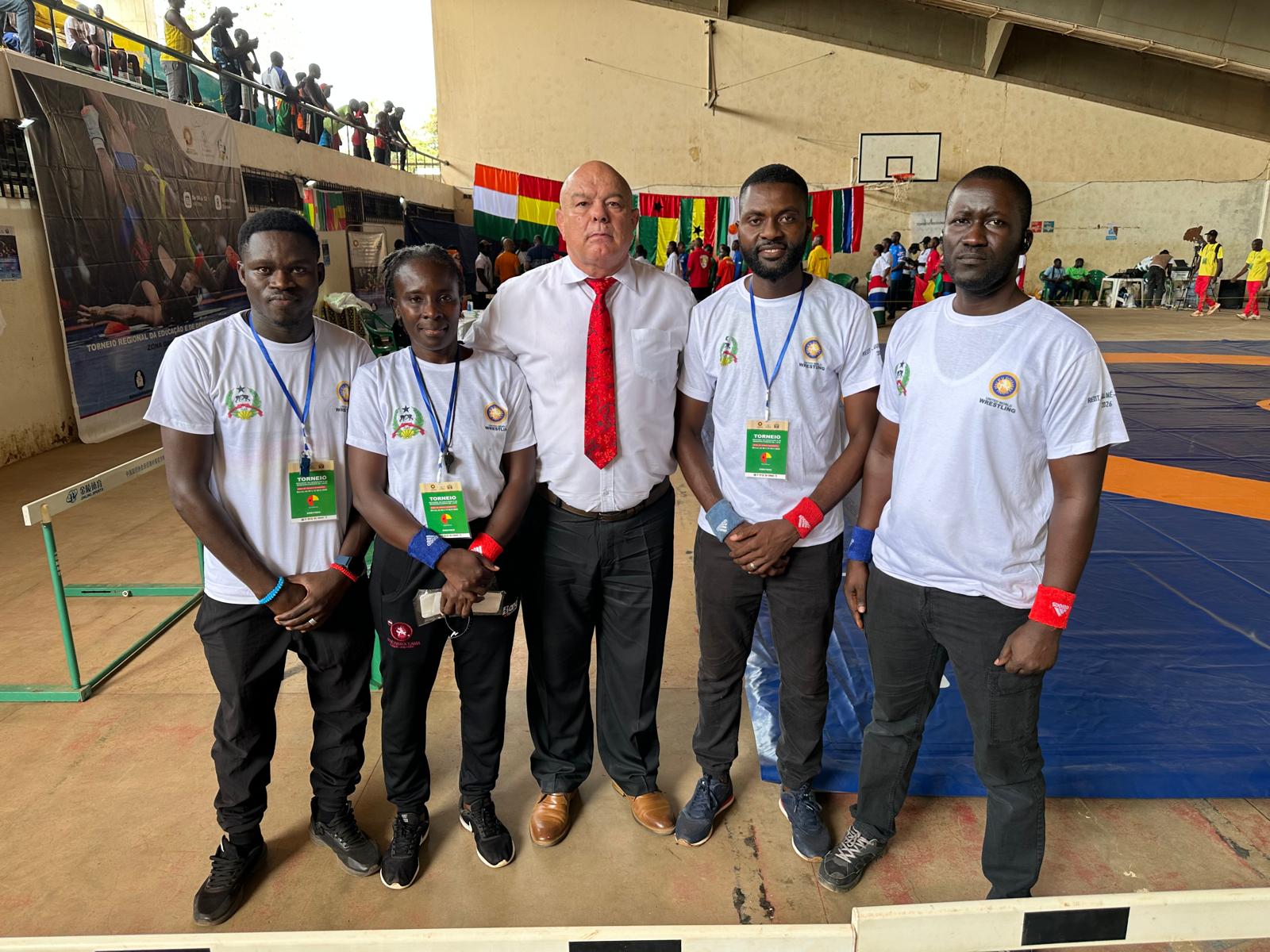
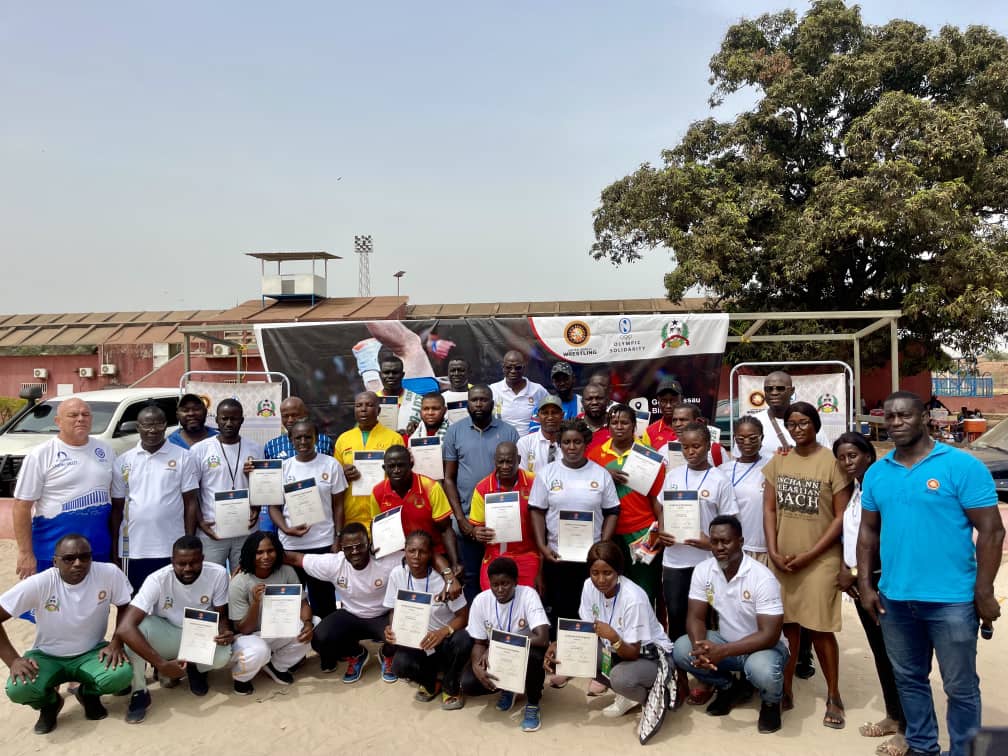
Prior to the competition phase, a series of structured activities were implemented including a training camp for wrestlers, aimed at improving technical performance. Educational sessions for coaches and administrators, delivered by UWW Development Officer Vincent AKA and a referee course, conducted by UWW Educator Charles VILLET, were also conducted.

These initiatives contributed to the harmonization of technical standards and reinforced the operational capacity of participating federations.

GBS

Competition

The competition included Men's and Women's Freestyle and Beach Wrestling across U17 and Senior categories at two different locations. Freestyle was conducted at National School of Physical Education and Sports (ENEFD) and Beach Wrestling was held at the Lino Correia Stadium.

The tournament was conducted in accordance with UWW regulations, with approved competition mats and the use of the Athena system for registration and licensing.

Impact

A few crucial outcomes were achieved through the tournament including identifying and developing young talent ahead of Dakar 2026, strengthening regional cooperation among National Federations, capacity building for coaches, referees, and administrators and promotion and integration of Beach Wrestling as a strategic discipline.

Despite the success of the event and the strong performances of athletes, the need for enhanced institutional and financial support remains a key priority. The President of the Guinea-Bissau Wrestling Federation João SOARES emphasized the importance of sustained investment to ensure continued progress and international competitiveness.

The presence of national authorities, including the Prime Minister Ilidio VIEIRA TE and National Olympic Committee President Fernando ARLETE, highlighted the recognition of wrestling as a strategic sport contributing to national development and visibility.

The REDT tournament represents a significant milestone in the regional roadmap toward Dakar 2026. The next steps include continued preparation for the Dakar 2026 Youth Olympic Games, participation in upcoming African Wrestling Championships, expansion of Beach Wrestling development initiatives and further implementation of UWW education and development programs.

The successful organization of the REDT West Africa Tournament in Bissau demonstrates the effectiveness of UWW’s development strategy in the region. By combining education, capacity building, and competition, the event has contributed to building a strong foundation for the future of wrestling in Africa.

GBS

Results

The host nation, Guinea-Bissau, delivered an outstanding performance, finishing first overall with a total of 25 medals - 17 Golds, 4 Silvers and 4 Bronzes.

Freestyle (Both Men's & Women's)

15 medals (12 Golds, 2 Silvers, 1 Bronze)

Team Rankings:
1st place: Guinea-Bissau
2nd place: Benin
3rd place: Ghana

Beach Wrestling

10 medals (5 Golds, 2 Silvers, 3 Bronzes)

Team Rankings:

1st place: Guinea-Bissau
2nd place: Senegal
3rd place: Benin