CORALVILLE, IOWA, United States (April 29) -- The 2026 Pan-American Championships will held from May 7 to 10 at the Xtream Arena in Coralville, Iowa, United States.
The competition will kick off with Greco-Roman before moving to Women's Wrestling and finishing with Freestyle.
Eight weight classes of Greco-Roman will go in action on Thursday and the remaining two Greco and six Women's Wrestling weight classes will be in action on Friday. On Saturday, four Women's Wrestling and three Freestyle weight categories will be held. The remaining seven Freestyle weight categories will wrestle on Sunday.
Click here for full schedule of 2026 Pan-American Wrestling Championships.
All the action from Pan-Am Championships will be live on UWW+ and FloWrestling.
Note: The entries are subject to change 72 hours before the draws of each style. For latest entries, refer to UWW Pan-Am Wrestlers

Freestyle
57kg
Daniel DOS SANTOS (BRA)
Christopher MERLO (CAN)
Juan RAMIREZ BELTRE (DOM)
Guesseppe REA VILLARROEL (ECU)
Edwin SEGURA GUERRA (GUA)
Omar VALENZUELA MEDINA (MEX)
Justin ROSALES LACAYO (NCA)
Andre HUARCAYA LOPEZ (PER)
Darian CRUZ (PUR)
Liam CRONIN (USA)
Pedro MEJIAS RODRIGUEZ (VEN)
61kg
Garette SAUNDERS (CAN)
Peter HAMMER CUDE (CRC)
Alex VEGA TUN (GUA)
Irie JACKSON (JAM)
Caleb SMITH (PUR)
Austin DESANTO (USA)
65kg
Shannon HANNA (BAH)
Matheus DA LUZ BARRETO (BRA)
Peiman BIABANI (CAN)
Matias MUNOZ RAMIREZ (CHI)
Tommy GARCIA SANCHEZ (DOM)
Joshua KRAMER (ECU)
Jordan MITCHELL (JAM)
Zachary ESPALIN AGUIRRE (MEX)
Jose BENITES VASQUEZ (PER)
Joseph SILVA (PUR)
Daniel OLIVERA SOLORZANO (URU)
Real WOODS (USA)
Wilfredo RODRIGUEZ BOCANEY (VEN)
70kg
Mauricio LOVERA (ARG)
Michael ZALE (CAN)
Francisco GONZALEZ TORRES (MEX)
Victor SOTO RIVERA (PUR)
Ridge LOVETT (USA)
74kg
Renato DA SILVA (BRA)
Adam THOMSON (CAN)
Jorge GATICA HINRICKSEN (CHI)
Arbey ALARCON TOVAR (COL)
Geannis GARZON TAMAYO (CUB)
Julio RODRIGUEZ ROMERO (DOM)
Brandon HERNANDEZ CARDONA (GUA)
Luis BARRIOS ROCHEZ (HON)
Raul PALACIOS DOMINGUEZ (MEX)
Sixto AUCCAPINA PEDRAGAS (PER
Jonathan PARRILLA RAMOS (PUR)
Phillip WEBSTER (USA)
Ibsen AGUILAR CANIZALEZ (VEN)
79kg
Patrik LEDER (CAN)
Jhoan SERNA RODRIGUEZ (COL)
Sergio ESPINOZA MUNIZ (MEX)
Michael LABRIOLA (PUR)
Levi HAINES (USA)
86kg
Jorge LLANO (ARG)
Pedro GONCALVES DA SILVA (BRA)
Taran GORING (CAN)
Christopher FOCA MEJIA (DOM)
Kevin DE LEON TREVINO (MEX)
Angel CORTES BONILLA (PAN)
Jesus LANDA CESPEDES (PER)
Ethan RAMOS (PUR)
Zahid VALENCIA (USA)
Jose PINERO SEGUERI (VEN)
Lucas BORDEAUX REGO ALVAN (BRA)
92kg
Andrew JOHNSON (CAN)
Shane JONES (PUR)
Trent HIDLAY (USA)
97kg
Ailton BRITO ROCHA (BRA)
Nishan Preet RANDHAWA (CAN)
Arturo SILOT TORRES (CUB)
Luis PEREZ SOSA (DOM)
Steven BURRELL (JAM)
Humberto VALVERDE UZNER (MEX)
Pool AMBROCIO GREIFO (PER)
Edwin MORALES (PUR)
Stephen BUCHANAN (USA)
Cristian SARCO COLMENAREZ (VEN)
125kg
Gabriel DE SOUSA SILVA (BRA)
Jorawar DHINSA (CAN)
Maxwell LACEY GARITA (CRC)
Elison ADAMES GARCIA (DOM)
Aaron JOHNSON (JAM)
Brandon ANGUIANO FLORES (MEX)
Jonovan SMITH (PUR)
Wyatt HENDRICKSON (USA)
Jose DIAZ ROBERTTI (VEN)
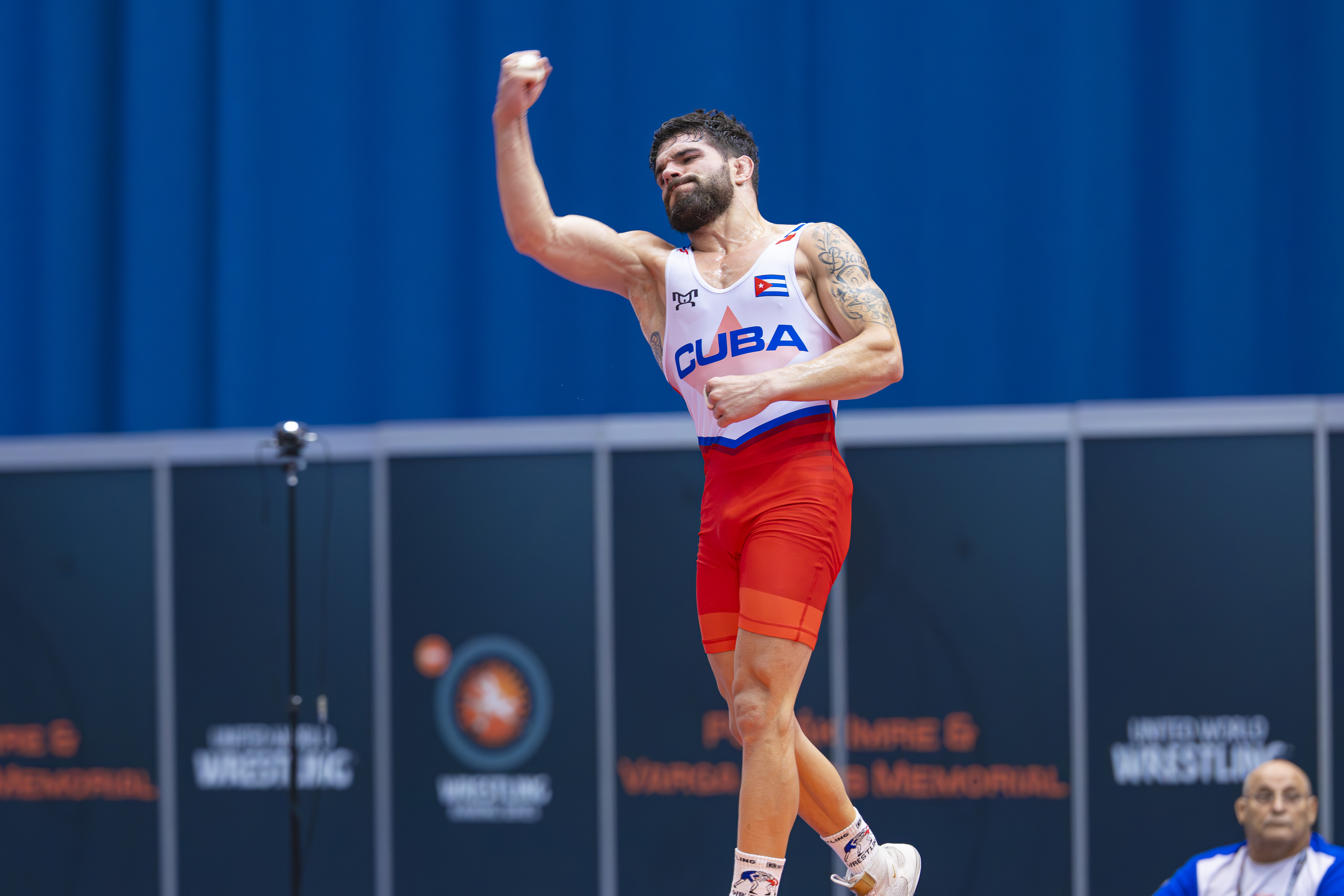 Luis ORTA (CUB) will be wrestling at 67kg. (Photo: United World Wrestling / Kadir Caliskan)
Greco-Roman
55kg
Yan LANDIM RIBEIRO (BRA)
Moises PERALTA GONZALEZ (ECU)
Isaac MARIN MATA (MEX)
Max NOWRY (USA)
60kg
Pedro DE SOUZA RODRIGUES (BRA)
Augusto VARGAS VALLE (CHI)
Kevin DE ARMAS RODRIGUEZ (CUB)
Yerony LIRIA CARRERAS (DOM)
Clisman Adrian CARRACEDO VELIZ (ECU)
Alexis RODRIGUEZ HERNANDEZ (MEX)
Abel SANCHEZ JUAREZ (PER)
Edrick MARTINEZ MATEO (PUR)
Dalton ROBERTS (USA)
Carlos HERRERA BARRIOS (VEN)
63kg
Marat GARIPOV (BRA)
Jeremy PERALTA GONZALEZ (ECU)
Angel SEGURA TELLEZ (MEX)
Derick MARTINEZ MATEO (PUR)
Landon DRURY (USA)
67kg
Mauricio LOVERA (ARG)
Angelo CAFE DE OLIVEIRA (BRA)
Nestor ALMANZA TRUYOL (CHI)
Julian HORTA ACEVEDO (COL)
Luis ORTA (CUB)
Andres MONTANO ARROYO (ECU)
Jose VARELA GARCIA (GUA)
Irving SALAZAR CABRERA (MEX)
Nilton SOTO GARCIA (PER)
Otto BLACK (USA)
Jonaiker MARTINEZ CRAVO (VEN)
72kg
Mauri VICENTE SILVERIO JUNIOR (BRA)
Emerson FELIPE ORDONEZ (GUA)
Benjamin PEAK (USA)
77kg
Justin BOYCE (BAR)
Joilson DE BRITO (BRA)
Eduardo BERNAL MOLINA (CHI)
David CHOC HUOC (GUA)
Oscar BARRIOS ROCHEZ (HON)
Diego MARTINEZ (MEX)
Dario CUBAS CASTILLO (PER)
Joel ADAMS (USA)
Darfel PARADA CAMACARO (VEN)
82kg
Diego MACIAS TORRES (MEX)
Kamal BEY (USA)
87kg
Andre RAMOS PINTO (BRA)
Daniel GREGORICH HECHAVARRIA (CUB)
Johan BATISTA (DOM)
Jose VARGAS RUEDA (MEX)
Carlos ESPINOZA CASTRO (PER)
Beka MELELASHVILI (USA)
Luis AVENDANO ROJAS (VEN)
97kg
Ricardo GOMEZ (ARG)
Ronisson BRANDAO SANTIAGO (BRA)
Jhonny ARIAS BERDUGO (COL)
Gabriel ROSILLO (CUB)
Carlos ADAMES PALMER (DOM)
Kevin MEJIA (HON)
Dorian TREJO OLGUIN (MEX)
Pool AMBROCIO GREIFO (PER)
Timothy YOUNG (USA)
Juan DIAZ BLANCO (VEN)
130kg
Guilherme EVANGELISTA DIAS (BRA)
Yasmani ACOSTA (CHI)
Oscar PINO (CUB)
Jose NUNEZ ENCARNACION (DOM)
Gino AVILA DILBERT (HON)
Tyrece THOMPSON (JAM)
Luis LOPEZ VAZQUEZ (MEX)
James FORD (PUR)
Cohlton SCHULTZ (USA)
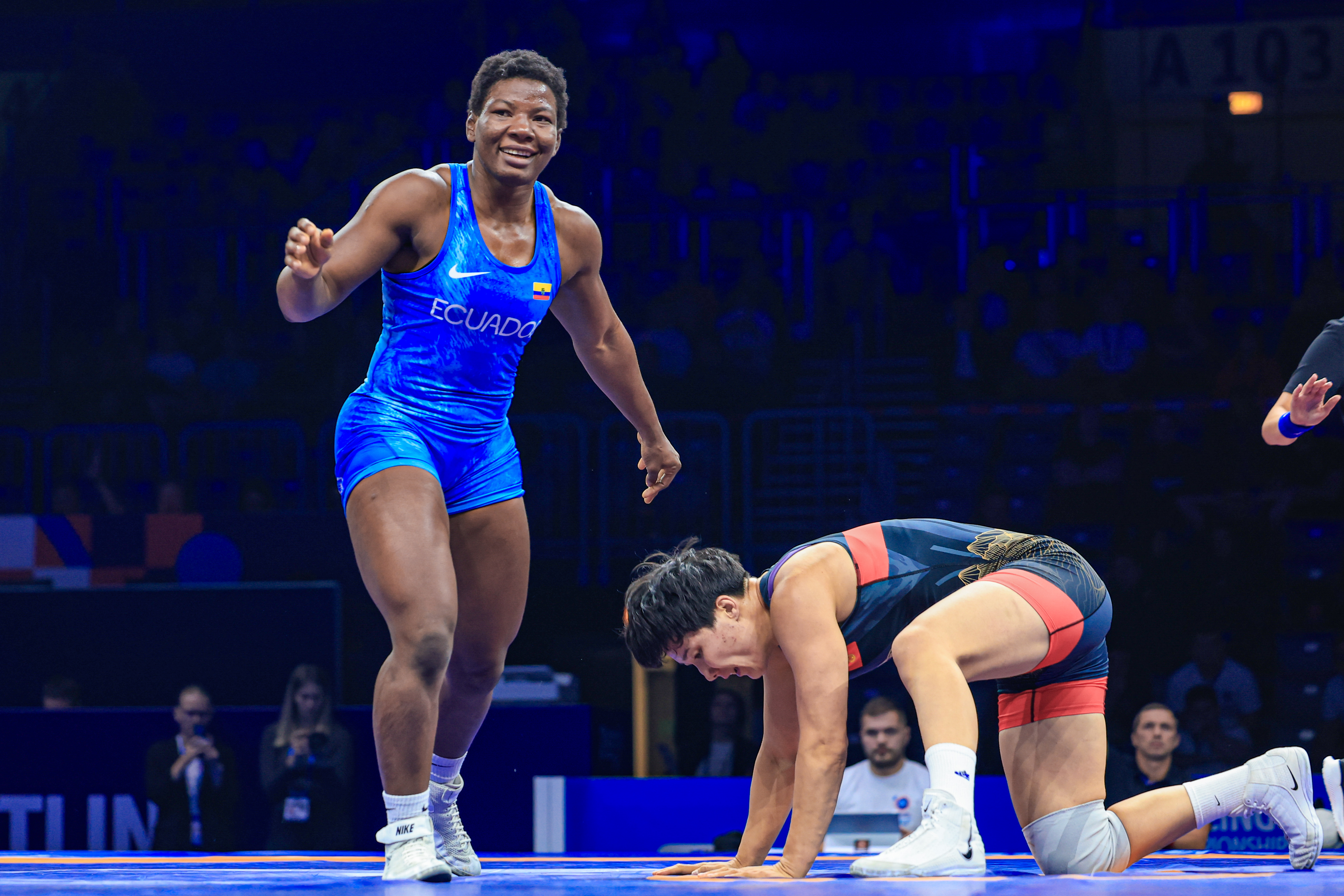 World champion Genesis REASCO (ECU) will be at 76kg. (Photo: United World Wrestling / Amirreza Aliasgari)
Women's Wrestling
50kg
Thalia OLIVEIRA (BRA)
Madison PARKS (CAN)
Dannia FIGUEROA DUQUE (COL)
Greili BENCOSME CARVAJAL (CUB)
Jacqueline MOLLOCANA ELENO (ECU)
Mercedes CASTILLO BERNAL (MEX)
Nathaly HERRERA HUACRE (PER)
Katie GOMEZ (USA)
Nohalis LOYO JIMENEZ (VEN)
53kg
Sabrina GAMA TAPAJOS (BRA)
Serena DI BENEDETTO (CAN)
Antonia VALDES ARRIAGADA (CHI)
Maria GONZALEZ (DOM)
Lucia YEPEZ (ECU)
Sofia OCEGUEDA GONZALEZ (MEX)
Yusneiry AGRAZAL WEST (PAN)
Ana ALVAREZ FERNANDEZ (PER)
Aneishka SANTOS BAEZ (PUR)
Cristelle RODRIGUEZ DOBLER (USA)
Alexa ALVAREZ VALENZUELA (VEN)
55kg
Amber WIEBE (CAN)
Josefina RAMIREZ DUARTE (MEX)
Everest LEYDECKER (USA)
57kg
Camila AMARILLA (ARG)
Giullia PENALBER (BRA)
Karla GODINEZ (CAN)
Tatiana HURTADO LERMA (COL)
Yaynelis SANZ VERDECIA (CUB)
Yocleidy RAMIREZ SANTANA (DOM)
Luisa VALVERDE (ECU)
Bertha ROJAS CHAVEZ (MEX)
Nadia TRUJILLANO (PER)
Amanda MARTINEZ (USA)
Maria FUENTES SALINAS (VEN)
59kg
Mayara RAMOS PEREIRA (BRA)
Laurence BEAUREGARD (CAN)
Daniela MARTINEZ VARGAS (MEX)
Abigail NETTE (USA)
62kg
Rebecca WILLIAMS (BAR)
Lais NUNES (BRA)
Annika FINES (CAN)
Paula MONTOYA GARCIA (COL)
Melanie JIMENEZ VILLALBA (MEX)
Adaugo NWACHUKWU (USA)
Astrid MONTERO CHIRINOS (VEN)
65kg
Miki ROWBOTTOM (CAN)
Alexis GOMEZ (MEX)
Kayla MIRACLE (USA)
68kg
Eduarda RODRIGUES BATISTA (BRA)
Aleah NICKEL (CAN)
Virginia JIMENEZ FERNANDEZ (CHI)
Maria CEBALLOS CUENU (COL)
Ambar GARNICA FLORES (MEX)
Jasmine ROBINSON (USA)
Nathaly GRIMAN HERRERA (VEN)
72kg
Ellise DAYNES (CAN)
Michelle OLEA RUIZ (MEX)
Precious BELL (USA)
76kg
Meiriele CHARAMBA (BRA)
Vianne ROULEAU (CAN)
Tatiana RENTERIA (COL)
Milaimy MARIN POTRILLE (CUB)
Emelyn BAUTISTA (DOM)
Genesis REASCO (ECU)
Edna JIMENEZ VILLALBA (MEX)
Aomi RIQUES MORALES (PER)
Kylie WELKER (USA)
Neirili BANGUERO MARTINEZ (VEN)




Share your thoughts.
Comments