

Women's Referee Course and Empowerment Seminar Held in Colombia
Monday, December 17, 2018 - 16:18 By United World Wrestling Press

MEDELLÍN, Colombia (December 18) -- United World Wrestling held its first-ever women's-only Introduction to Refereeing Course last week for the Pan American countries in Medellín, Colombia.
The course had a total of 32 participants from 15 different countries and provided resources to women who are new to refereeing and helps them improve on their existing knowledge. The activities are part of an ongoing effort by United World Wrestling to increase the involvement of women in all aspects of the sport.
"The first-ever women Referees and Empowerment course is an awesome end to one of the Development department’s most successful years,” said Deqa Niamkey, United World Wrestling Development Department Director. “It is amazing to see the determination and devotion of these women to develop wrestling in their countries. Women's wrestling has a bright future ahead."

The course – led by instructors Eduardo PAZ GONÇALVES (BRA) and Abraham GALVA (PUR) -- included five days of classroom and on-the-mat learning and sharing of personal experiences in the sport. Attendees said they felt empowered by the course to go back to their home countries and start implementing changes.
"Change and adaptation are so important in the future of wrestling. Woman face many different issues in a male dominated sport,” said Shelby Tremblay (CAN): It's amazing for the United World Wrestling to recognize that there needs to be change and create great opportunities like this. Everyone's experiences are different and it's really neat to come together and share our own Wrestling stories to help shape the future."
Many attendees looked forward to seeing how the project would further impact the sport at home, and abroad.
"The growth of women's wrestling in our sport is amazing regarding athletes, but we are still behind in the number of referees and coaches, it will be great to reach the 50/50 gender equality in the future,” said Ruth Hossein (ARG). “To increase the number of women, concrete actions are necessary, and this course is a great opportunity for the region."
“As a Leadership coach, I am positive the change that started in Medellin, among women referees in Wrestling will have two aspects: a ripple effect in their countries and regions as they role model what good referees and leaders do, and also it will have a positive impact in the sport," said Gabriela Mueller Mendoza, coach, speaker, who has supported Olympic movement for over a decade. "Empowering girls and women in any society is the quickest most effective way to progress an sport in an excellent vehicle for change to happen. UWW’s leadership is convinced about their commitment to the ambitious Olympic agenda, and this course in Colombia was a tangible way to walk the talk."
The program was also securing institutional support from the sport's top leadership.
"We are excited to see this progress for our women's outreach," said United World Wrestling president Nenad Lalovic. "These efforts are in line with Agenda 2020 and we will continue them in the future."
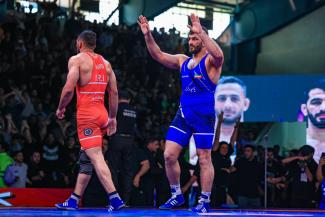
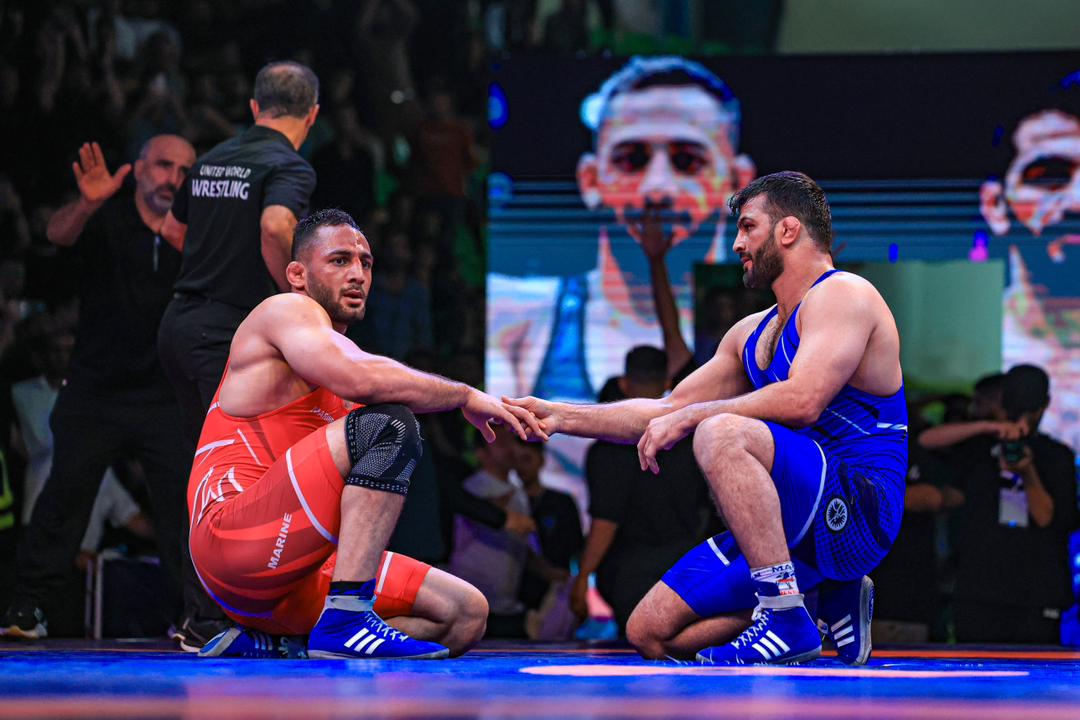 Hassan YAZDANI (IRI), blue, shakes hands with Amirali AZARPIRA (IRI) after beating him in the second bout. (Photo: United World Wrestling / Amirreza Aliasgari)
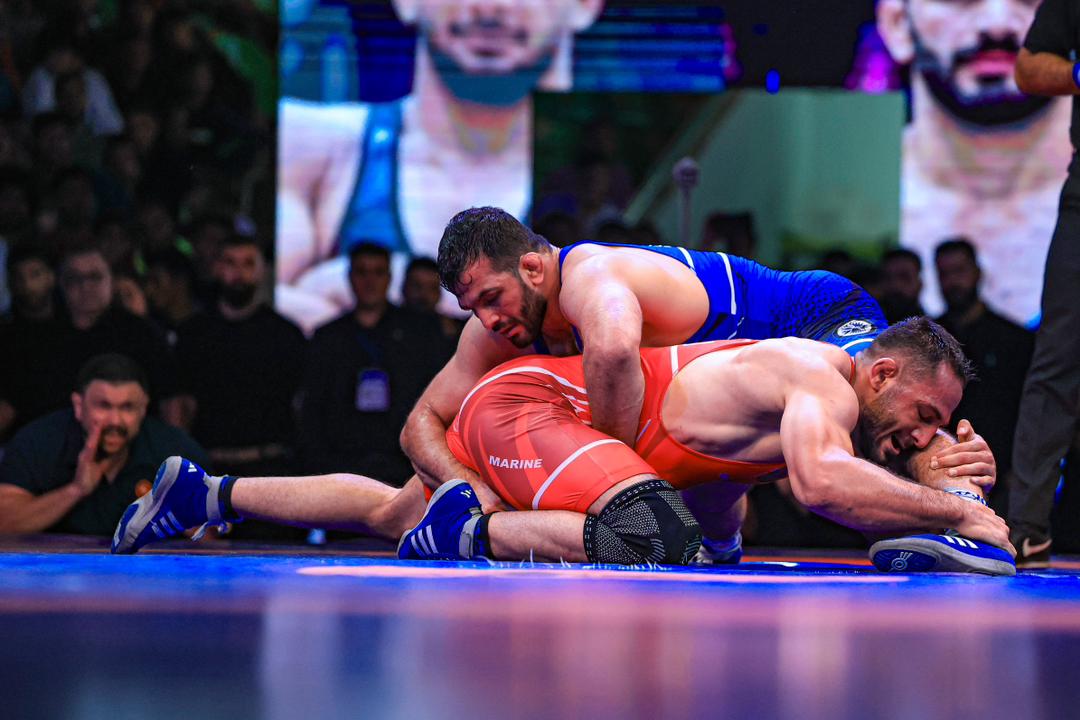 Amirali AZARPIRA (IRI) tries to score on Hassan YAZDANI (IRI) during the 97kg bout. (Photo: United World Wrestling / Amirreza Aliasgari)
Share your thoughts.
Comments