

Weekly FIVE! July 23, 2018
Monday, July 23, 2018 - 15:05 By Eric Olanowski

Taking a look at Japan's seven Asian Junior gold medal performance and India's strong finish. Also looking at the pair of Olympic silver medalists who won the final Greco-Roman Ranking Series event of the year and this weeks freestyle Ranking Series event, the Yasar Dogu.
1.Japanese Women One-Up Iran, Win Seven Asian Junior Golds
Japan closed out women’s wrestling at the 2018 Asian Junior Championships with eight finalists, winning seven gold medals and one-upping Iran’s Greco-Roman squad who won six gold medals earlier in the week.
With their seven gold medals, Japan one-upped the Greco-Roman team champions, Iran. During the Greco-Roam portion of the tournament, nine Iranian wrestlers qualified for the gold-medal bout, but “only” six clutched a gold medal after it was all said and done.
Women's Wrestling Results
Team Scores
GOLD – Japan (213 points)
SILVER – China (168 points)
BRONZE – India (135 points)
Fourth – Kazakhstan (123 points)
Fifth – Mongolia (113 points)
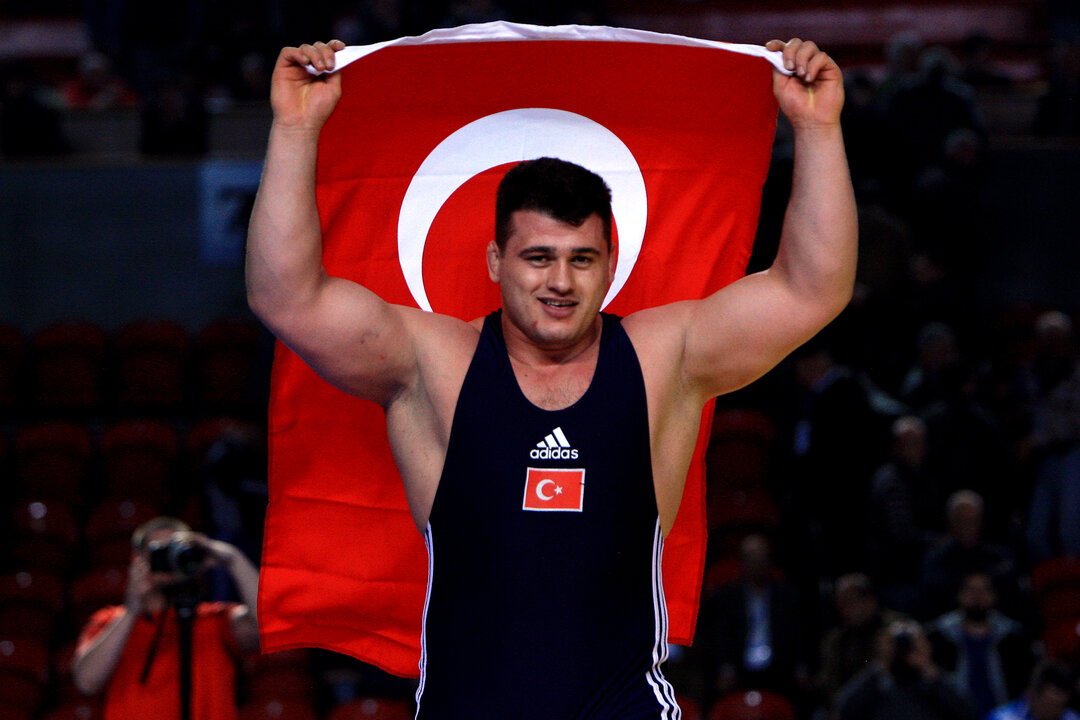-2.jpg) The six-time world and Olympic finalist, Riza KAYAALP (TUR). (Photo by Martin Gabor)
The six-time world and Olympic finalist, Riza KAYAALP (TUR). (Photo by Martin Gabor)
2. Olympic Finalists Show Out at Vehbi Emre & Hamit Kaplan
The fourth and final Ranking Series event of the year, the Vehbi Emre & Hamit Kaplan took place last weekend in Istanbul, Turkey and two Olympic finalists bounced the competition and won gold medals.
The host nation, Turkey won the team title with four individual champions, which included six-time world and Olympic finalist, Riza KAYAALP (TUR).
Kayaalp, who coming off winning his eighth European championship outscored his first two opponents 11-0 but was tested in his semifinal and finals match-ups, winning both by a single point.
In the finals, the three-time world champion outlasted Kiryl HRYSHCHANKA (BLR), 2-1 to win his seventh Vehbi Emre & Hamit Kaplan gold medal.
Zhan BELENYUK (UKR), the 2015 world champion and Rio Olympic silver medalist, competing in his second tournament of the year also won a gold medal.
Belenyuk defeated two-time age-level world champion Islam ABBASOV (AZE), 3-1 in the 87kg finals. These two also met in the International Ukrainian Tournament finals, where Belenyuk was also the victor.
Vehbi Emre & Hamit Kaplan Results
Team Scores
GOLD - Turkey (191 points)
SILVER - Belarus (121 points)
BRONZE - Azerbaijan (121 points)
Fourth - Japan (104 points)
Fifth - Kazahkstan (102 points)
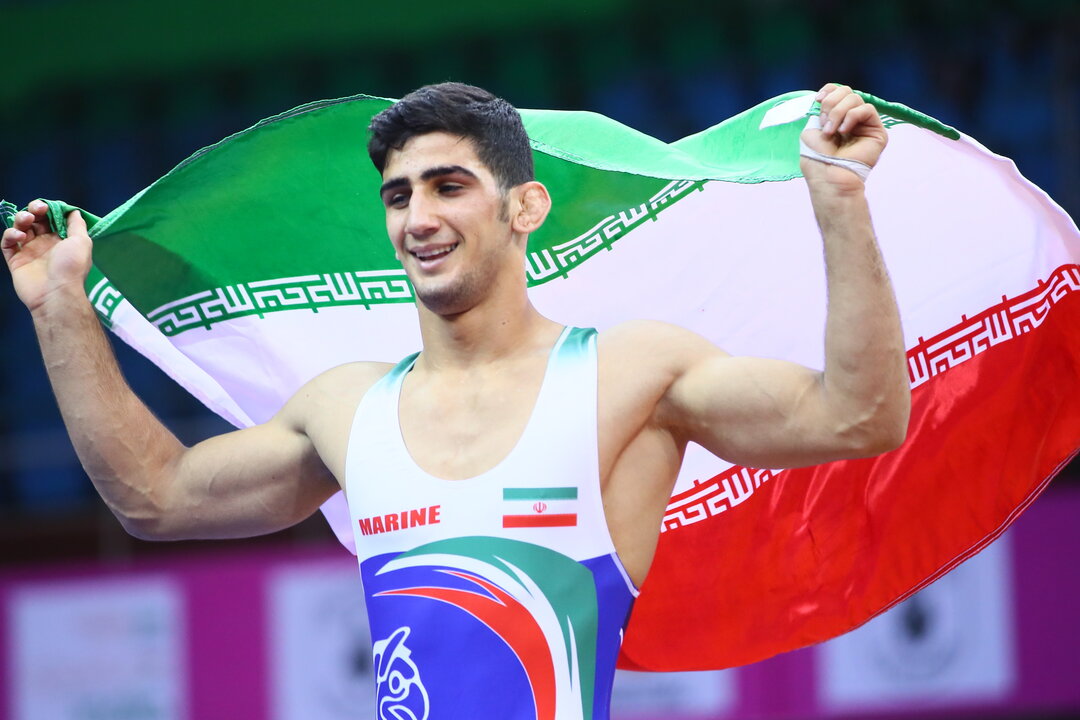 Beksultan NAZARBAEV, (IRI) Amin Yavar KAVIYANINEJAD_5_1.jpg) Amin Yavar KAVIYANINEJAD (IRI), 72kg Asian Junior champion. (Photo by Sachiko Hotaka)
Amin Yavar KAVIYANINEJAD (IRI), 72kg Asian Junior champion. (Photo by Sachiko Hotaka)
3. Iran Finishes Asian Juniors with Eleven Overall Gold Medals
Iran wrapped up freestyle action at the Asian Junior Championships by winning five gold medals, bringing their overall tournament total to eleven championship performances.
After the first day of freestyle wrestling, their squad was on par to match their Greco-Roman countryman’s six gold medal performances from earlier this week but only grabbed two golds on the final day to fall one short in the friendly race with their Greco-Roman team.
Freestyle Results
Freestyle Team Scores
GOLD - Iran (189 points)
SILVER - India (173 points)
BRONZE - Uzbekistan (128 points)
Fourth - Japan (126 points)
Fifth - Kazahkstan (125 points)
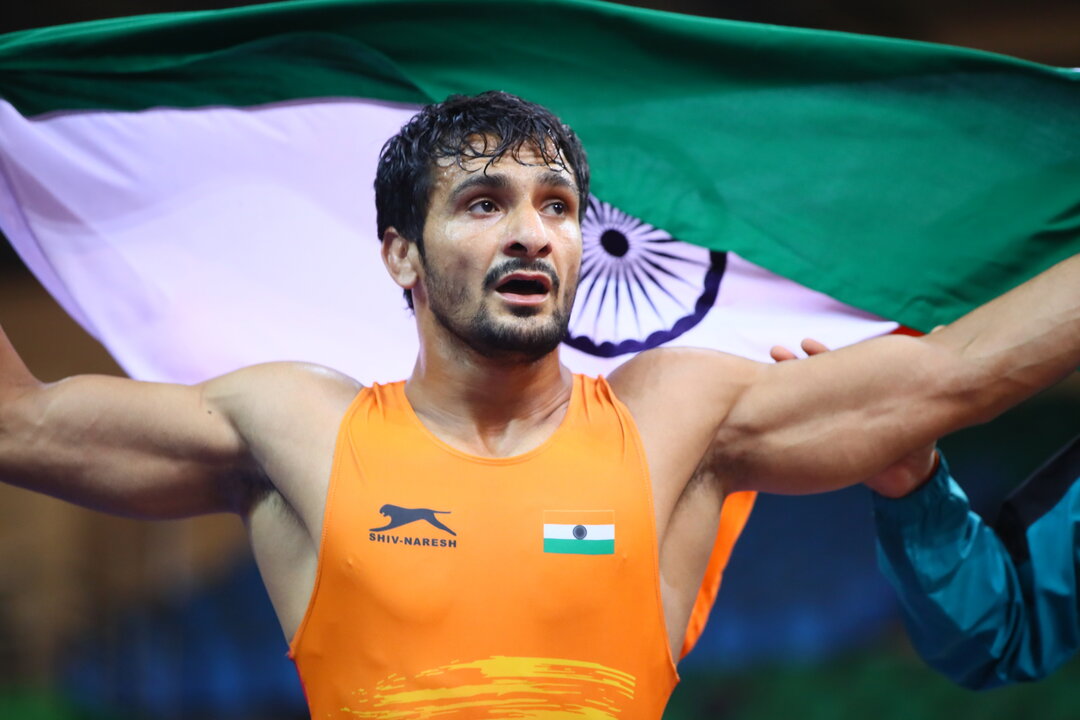 Sachin RATHI, (MGL) Bat-Erdene BYAMBASUREN_3.jpg) Sachin RATHI (IND) gave India one of their three Asian Junior gold medals. (Photo by Sachiko Hotaka)
Sachin RATHI (IND) gave India one of their three Asian Junior gold medals. (Photo by Sachiko Hotaka)
4. India Closes Out Asian Junior C'Ships with Pair of Gold Medals After Seven Straight Runner-Up Finishes
India had to wait until the final day of the 2018 Asian Junior Championships to add to Sajan SAJAN's (IND) gold medal, but they finally got the gold medals they were hoping for. In total, ten Indian wrestlers made the championship finals but seven straight wrestlers failed to come out on top. It all came down to Deepak PUNIA (IND) and Sachin RATHI (IND) to carry the country’s flag one more time, and they did so in significant fashion.
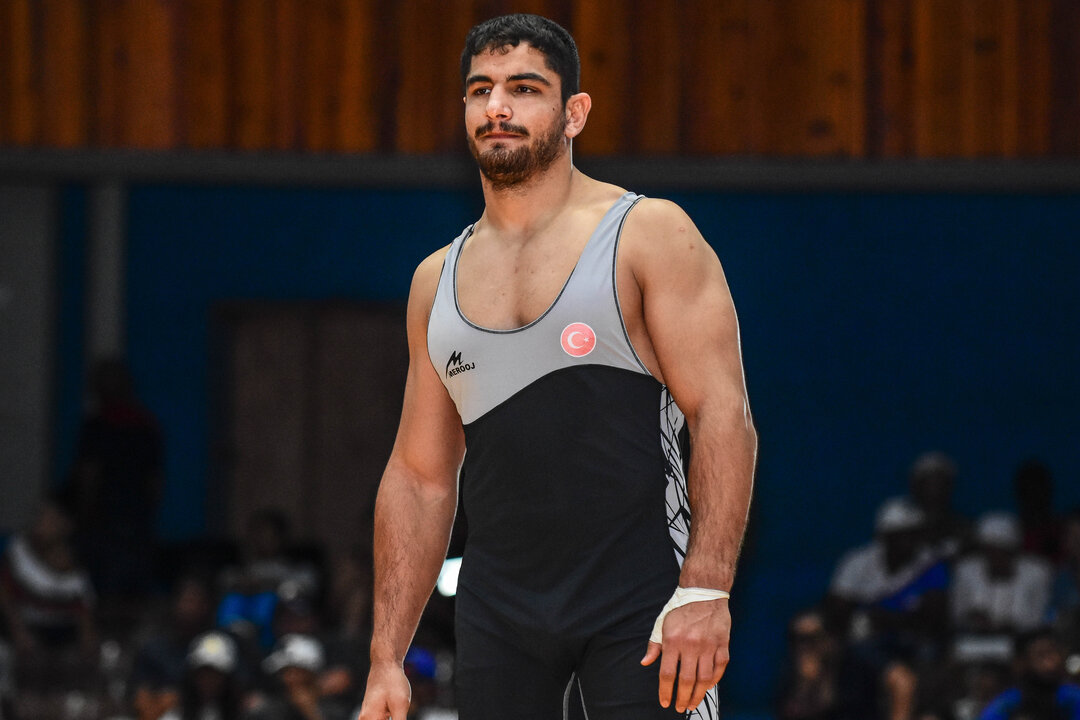 Olympic champion, Taha AKGUL (TUR). (Photo by Martin Gabor)
5. Yasar Dogu, the Third Freestyle Ranking Series Event Begins This Weekend
Istanbul, Turkey is set to host the 46th Annual Yasar Dogu International on July 27-29.
On June 8, United World Wrestling announced that the tournament has been named a Ranking Series event in men’s freestyle wrestling after the South African Open was canceled due to a lack of early sign-ups.
Weekly FIVE! In Social Media
1. Big Move Monday!
2. “Taha Akgul will be back to train for 20 days in August. The #1heavyweight in the world. Thankful we can prepare for the World Championships together ????” @snyderman45
3. @frankchamizo92 practising. Отработки Чамизо. ? @nycrtc
4. We’re 92 days away from the #Budapest2018 World Championships which means we get to highlight three-time world and Olympic champion @sadulaev_abdulrashid (RUS). Sadulaev won the 92kg gold medal at the European Championships in Dagestan, Russia earlier this year. #92on92
5. Olympic?@zhanbeleniuk playing with ?! ?

 Over 100 participants competed in the national youth tournament during the
Share your thoughts.
Comments