

Webinar: Terry Steiner – Training Plan Development Webinar
Monday, June 1, 2020 - 17:13 By United World Wrestling Press
CORSIER-SUR-VEVEY, Switzerland (June 1) -- Terry Steiner, USA Wrestling's Head National Coach Women’s Freestyle coach, joined Zach Errett, UWW's Education Manager, to discuss training plan development and periodization.
Click the link below to download the Coach Steiner's Powerpoint presentation.
Breakdown of the Webinar
0:01:58 – Introduction
0:06:40 – Start of his presentation
0:06:51 – Why do you need a plan?
0:08:04 – Why do we need a plan? Athlete perspective
0:10:04 – Important to have Openness and Transparency in Planning
0:10:35 – Biggest Job as National Team Coach
0:12:08 – Challenging the plan is a good thing
0:13:24 – Challenging and rewarding journey
0:14:16 – Job is helping the athletes see the value in the plan – showing the vision and including them in the process
0:14:57 – How do you start making the plan? (Things to start with)
0:16:15 – Story on Helen Maroulis
0:18:16 – How do we learn and develop the qualities?
0:20:00 – What are you going to get the most return on your investment?
0:20:53 – Basis of his 4-year plan
0:21:09 – Year 1 – Filling the Backpack
0:22:34 – Year 2 – Process Oriented
0:23:54 – Year 3 – Starting to Focus on Results
0:25:59 – Year 4 – Performing
0:27:00 – Overview of 4-year plan – Competitions and Camps
0:27:49 – Developing a Yearly Plan – Basic Process and Thoughts
0:29:52 – Science and Art in Planning
0:30:39 – Phases of the yearly plan
0:30:44 – Phase – Break time – Getting away
0:31:24 – Transition – time after the break
0:31:39 – Preparation – team focus
0:32:04 – Competition – more individual focus
0:32:34 – Peaking – rest and recovery
0:33:47 – Yearly Plan – Spreadsheet
0:36:02 – Challenge – quantifying volume and intensity
0:37:01 – Managing intensity and volume for peaking
0:38:19 – Developing a Competition Plan – last 45 days
0:38:50 – Struggle area as a young coach
0:39:21 – Story on Adeline Gray – Including in the planning process
0:41:59 – What he learned from working with Adeline Gray
0:42:49 – Managing intensity and volume during the Competition Plan
0:43:46 – Post Competition Reflection
0:44:26 – Reflection – Athlete Perspective
0:44:49 – Reflection – Coach Perspective
0:45:22 – Reflection – Data Analysis
0:46:49 – Important Data – Points by minute in a match
0:47:37 – As a coach, we need to realize it is their career
0:48:42 – Start of Q & A
0:48:52 – Can you inform the group about training load during competition phase?
0:51:22 – Is there any effects on a women’s monthly menstruation cycle?
0:53:41 – What type of information are you trying to get or asking for input when developing their training plans?
0:57:35 – How do manage to monitor athletes when they are not conducting training camps and do you perform any technical test under
these conditions?
0:59:41 – What are the strategies for nutrition planning on competition days?
1:02:53 – How do you work the emotions during training and competitions?
1:06:05 – Do you arrange any fitness testing before camps and competitions?
1:07:14 – How do you measure the intensity during a macrocycle (example during pre-competition/competition phases)?
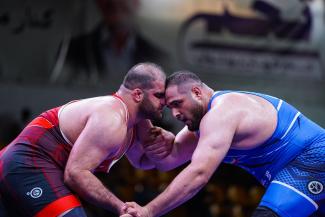
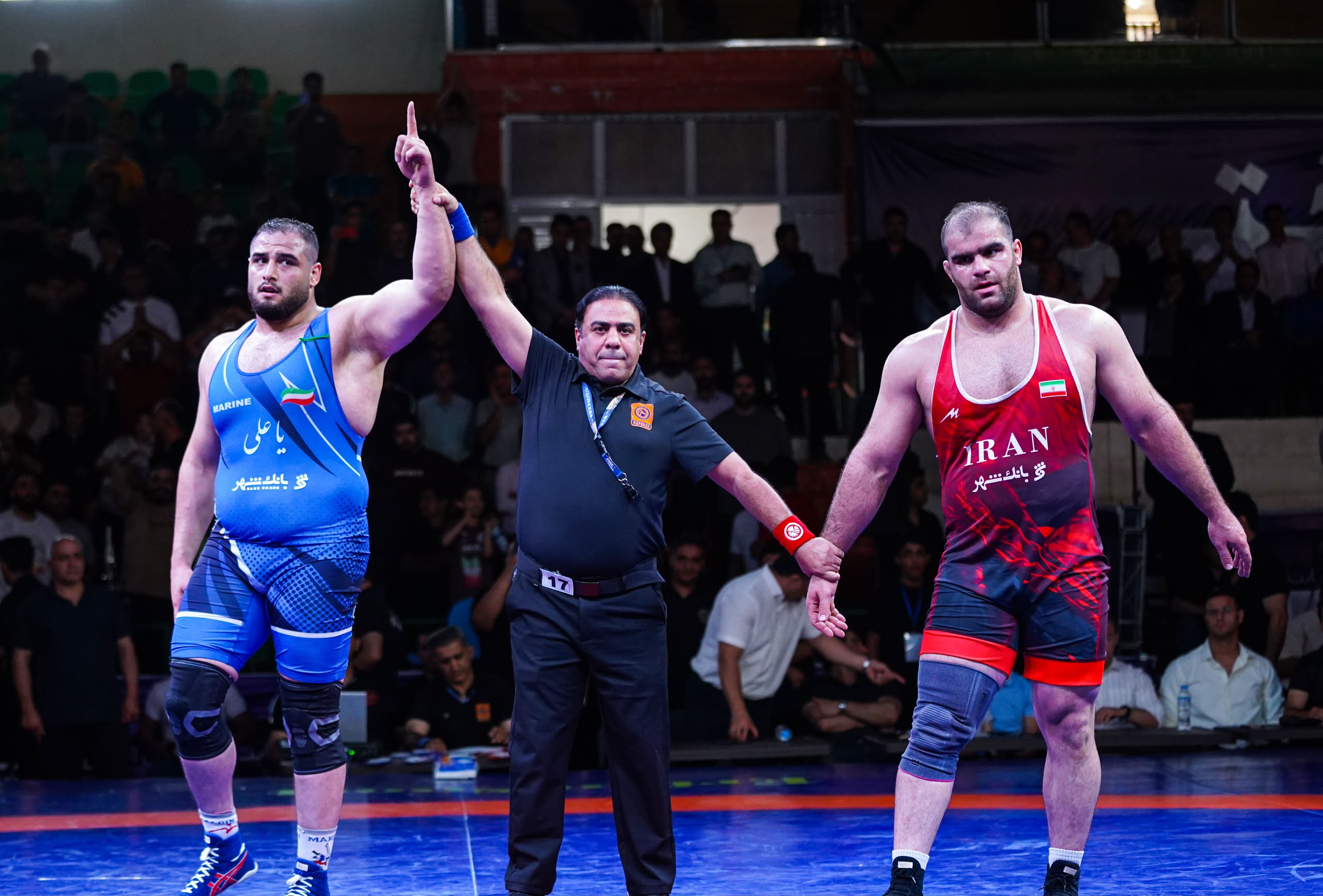 Fardin HEDAYATI (IRI) defeated Amin MIRZAZADEH (IRI), 5-1.
Share your thoughts.
Comments