

UWW Breakout Wrestlers of 2025: Hidlay, Farokhi, Onishi
Monday, December 15, 2025 - 12:24 By Eric Olanowski
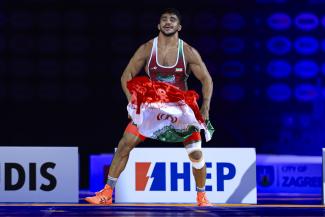
CORSIER-SUR-VEVEY, Switzerland (December 14) -- The 2025 Breakout Wrestlers of the Year were not the ones anyone circled heading into the season. They weren’t the favorites, or the ones analysts picked to walk away from the season as world medalists.
They were the outsiders, largely unproven and underestimated. But that all changed in a single season when they smashed expectations, catapulting themselves into world-wide stardom with world-title runs that nobody saw coming.
Freestyle Breakout Performer of the Year: Trent HIDLAY (USA)
Before 2025, Hidlay had never climbed to the top of a podium at an international event. His 2025 season even began with more doubt than promise, dropping his second match of the year to rising Azeri phenom Arsenii DZHIOEV (AZE) at the Zagreb Open. But that loss lit a fuse. From that moment on, the 26-year-old didn’t just improve -- he transformed.
Hidlay unleashed a stunning 13-match win streak and collected gold medals at the Pan-American Championships, the Budapest Ranking Series and the World Championships. Along the way, he knocked off giants -- Dauren KURUGLIEV (GRE), Miriani MAISURADZE (GEO), and Osman NURMAGOMEDOV (AZE), just to name a few.
Then came the finale: a world finals comeback for the ages. Down and all but finished, Hidlay stormed back to defeat Amanula GADZHIMAGOMEDOV (UWW). In one year, Hidlay didn’t just win -- he arrived.
Greco-Roman Breakout Performer of the Year: Gholemreza FAROKHI (IRI)
When opportunity knocked, Farokhi wasn’t just there to answer it, he was there to kick the door off its hinges. The 23-year-old stepped into Iran’s senior lineup for the first time in his career and tore through anyone in front of him -- whether it was at 82kg or 87kg.
Farokhi bulldozed his way to gold medals at the two World Championships he participated in. He racked up a perfect 17-0 record, including 11 technical superiority wins and six decisions, sweeping gold at the World Championships, U23 World Championships, the Islamic Solidarity Games, and the Zagreb Open Ranking Series.
Women’s Wrestling Breakout Performer of the Year: Sakura ONISHI (JPN)
At 19 years old, Onishi entered the senior circuit with massive goals but had zero experience and zero fear. In mere months, she became a problem no one had an answer for.
Onishi tore through the season with a flawless 15-0 record, capturing titles at the Senior and U20 World Championships, the Asian Championships, and the Muhamet Malo Ranking Series. Her dominance wasn’t subtle -- it was exactly what you’d expect from a Japanese women’s wrestler -- 11 tech falls, three pins, and a decision, outscoring opponents 158-17.
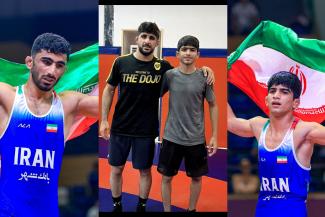
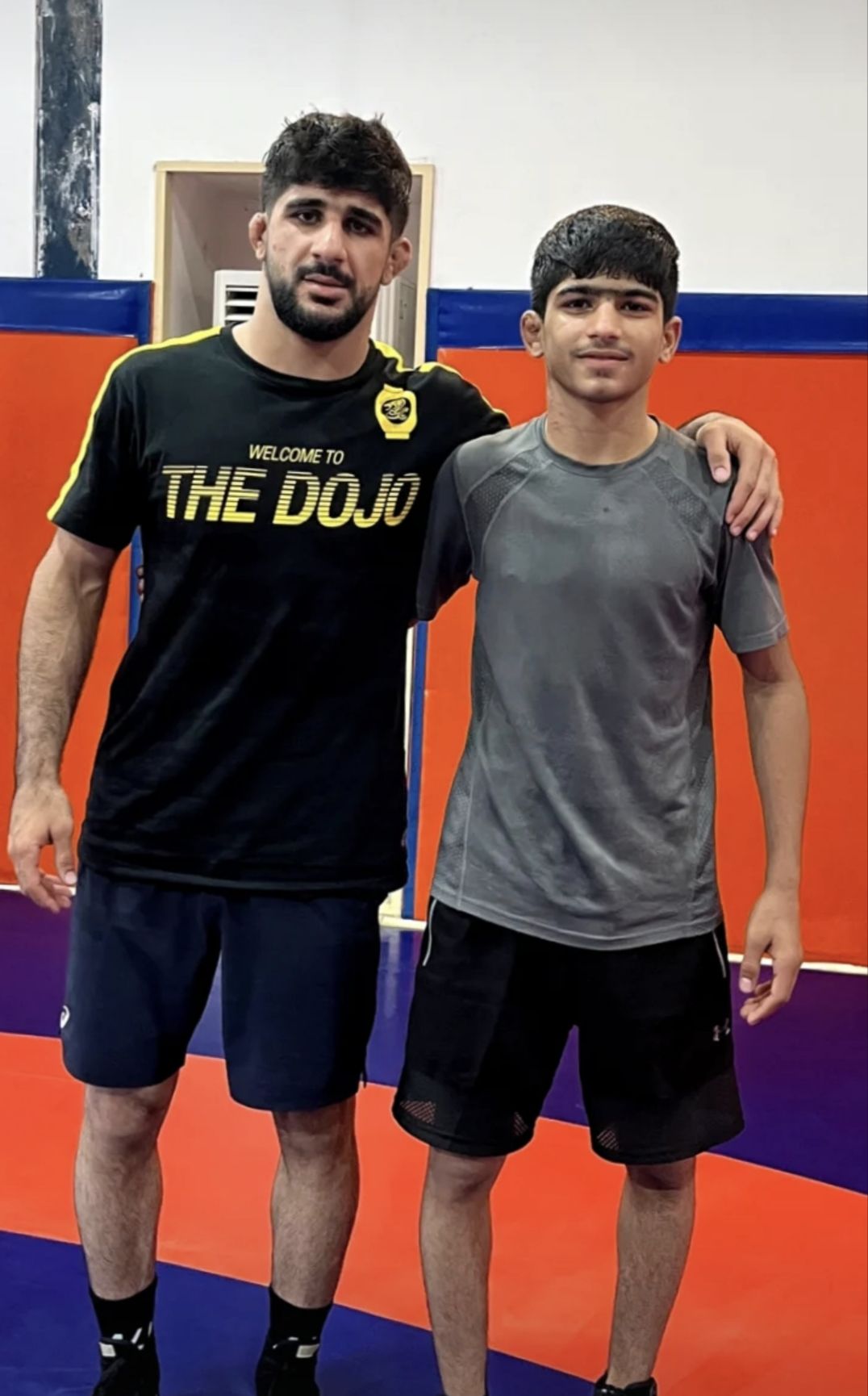
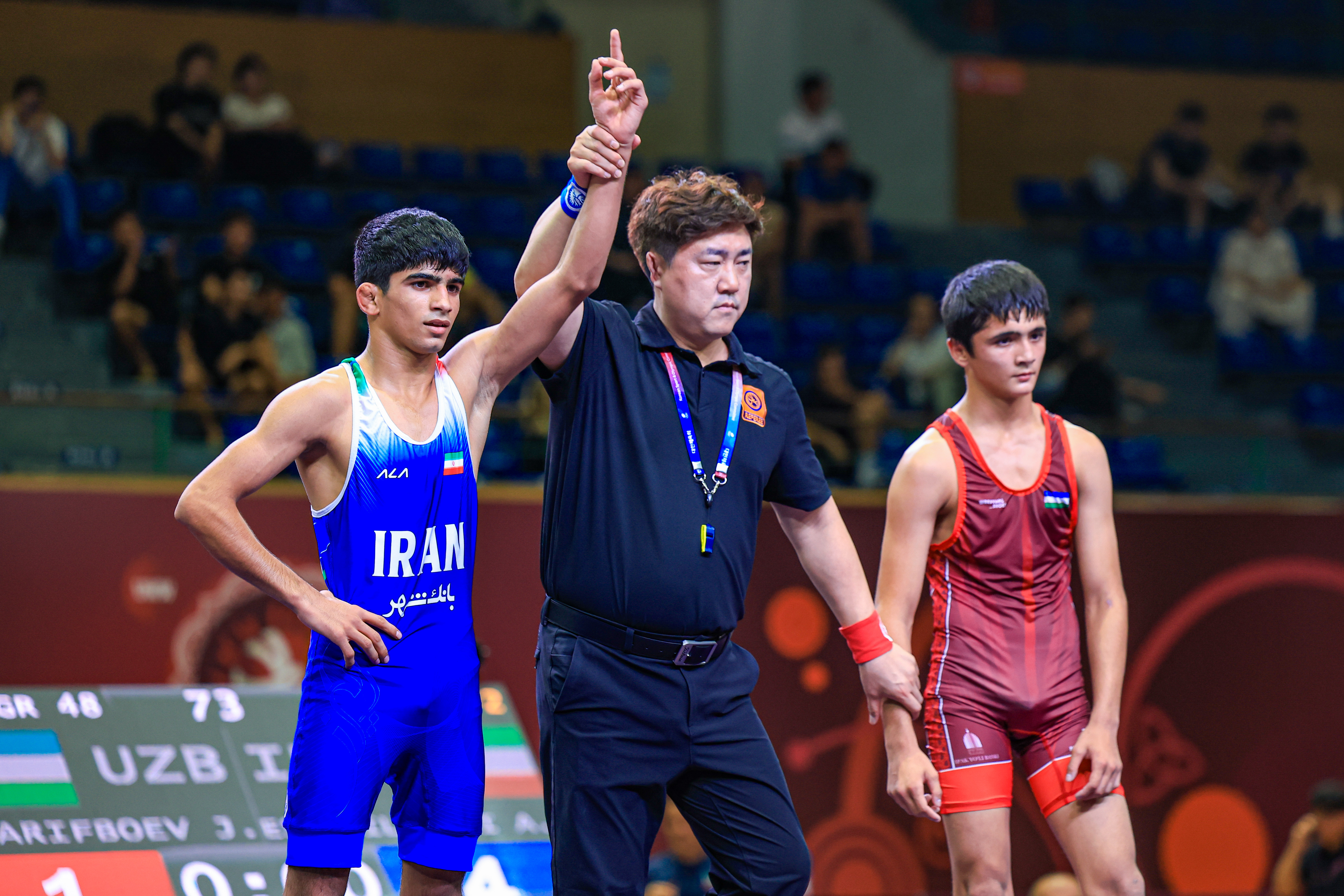 Ali ESMAEILI (IRI) became the U17 Asian champion at 48kg in Greco-Roman. (Photo: United World Wrestling / Amirreza Aliasgari)
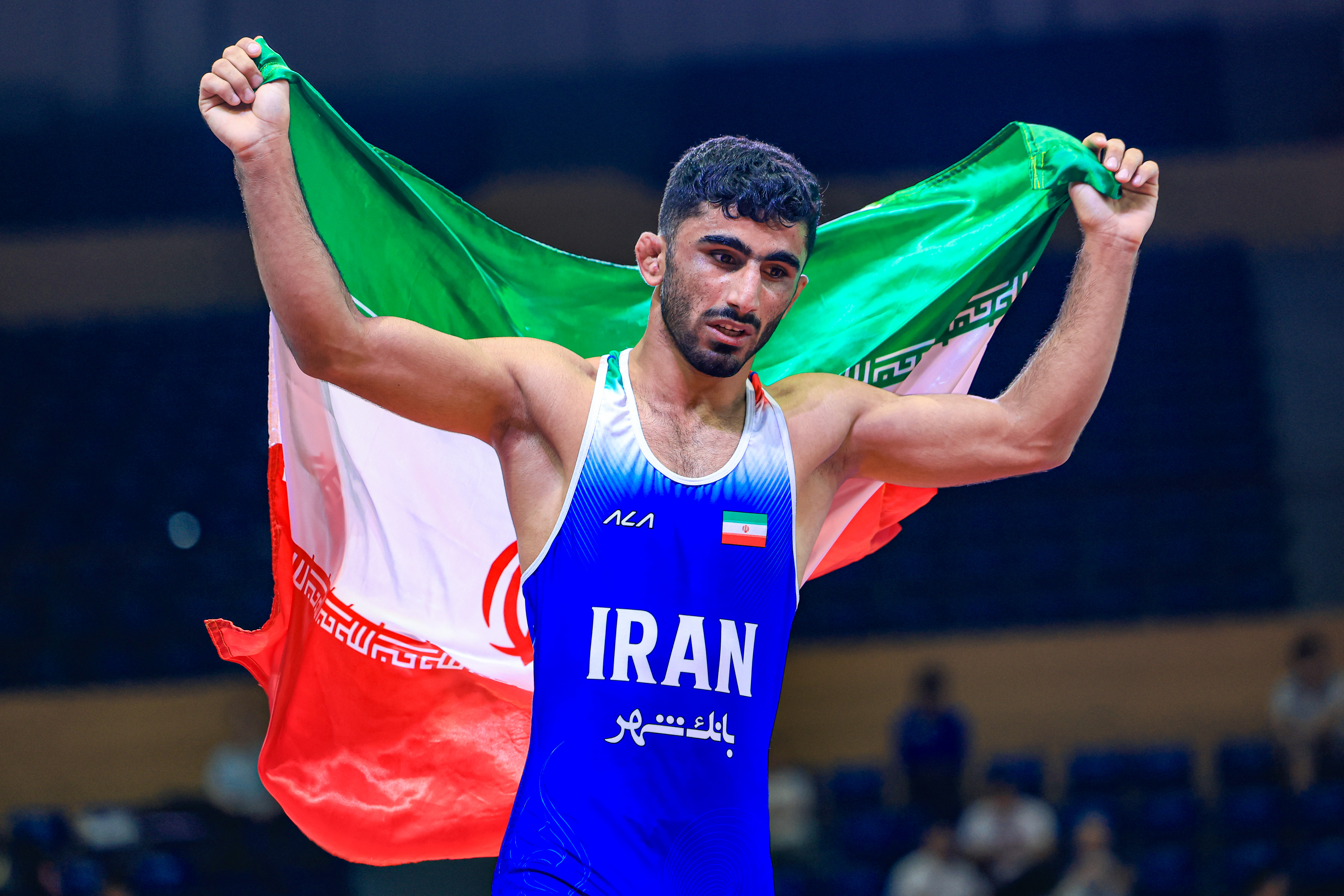 Vahid ASHIRI (IRI) claimed the 55kg gold medal. (Photo: United World Wrestling / Amirreza Aliasgari)
Share your thoughts.
Comments