h In Austria, wrestlers are battling against the dominance of winter sports; whilst every child knows the ski jumpers, downhill and slalom skiers, wrestlers have to work incredibly hard to also make it into the spotlight of the mainstream media.
In Toni MARCHL, the Austrian Wrestling Federation has a dedicated and passionate leader who has given himself fully to the growth of the sport. His extensive network spans business, politics, and the highest levels of international sport, including UWW European Council President Karl Martin Dittmann and UWW President Lalovic, with whom he has built a strong and trusted relationship.
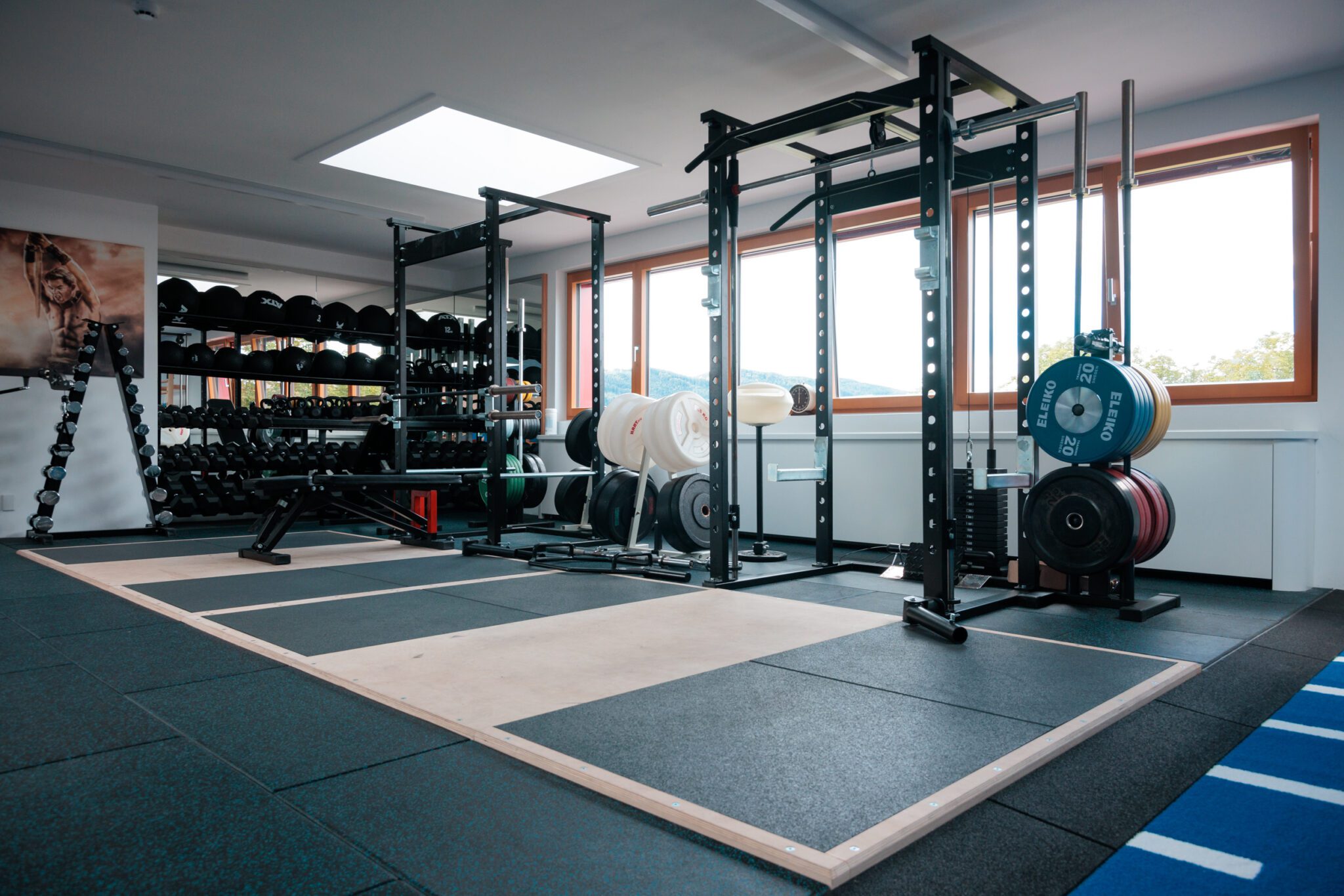 Fitness centre at A.C. Wals. (Photo: Austrian National Wrestling Centre)
Back to the training centre in Wals, which was designated a UWW higperformance centre in 2022, wrestlers from all over the world now come together to train. This naturally also benefits the ORSV wrestlers, who can now train alongside the world’s best on a selective basis – and do so at home, on their own mats. What’s more, thanks to the efforts of ORSV wrestlers can now be found in positions supported by the sports programme within the army, as well as in the police, judiciary and customs services.
A small boarding school accommodates male and female athletes from all over Austria who combine school, vocational training or work with the demands of competitive sport in Wals-Siezenheim, whilst also travelling there on an ad hoc basis for centralised training sessions.
A large team of coaches has also been established to pass on their experience to the wrestlers. Georg MARCHL (Freestyle), Jeno BODI and Amer HRUSTANOVIC (Greco-Roman), and Elena PITTL (Women's Wrestling) lead a well-trained and dedicated team of coaches, supported and supervised by sports director Benedikt ERNST, and trained in collaboration with former German heavyweight wrestler Sven THIELE. The medical sector is also well-equipped in Wals-Siezenheim, with physiotherapy and sports medicine staff.
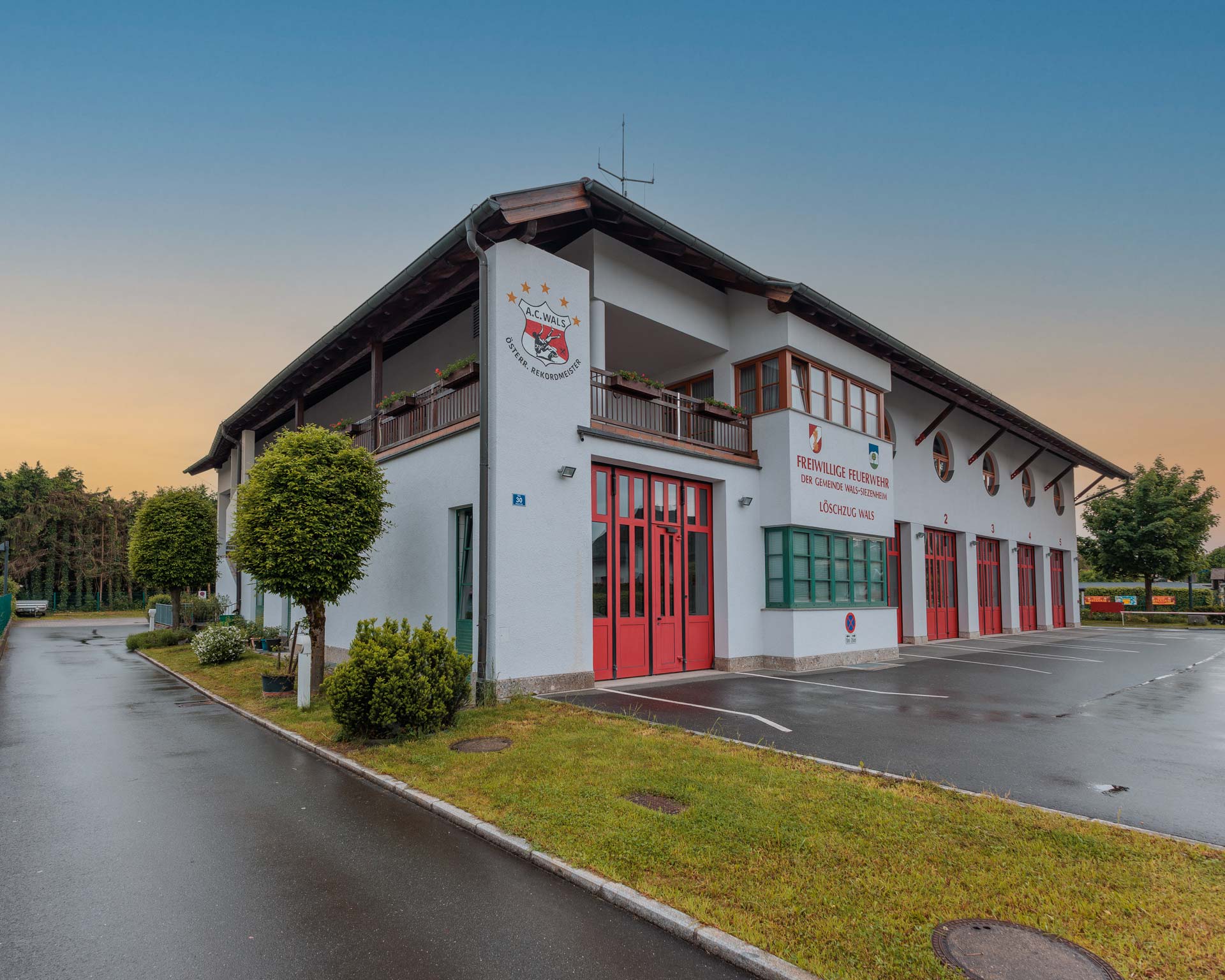 A.C. Wals
The UWW Performance Centre is having an impact on the larger Austrian clubs and federations, which are following its example in developing talent under ever-improving conditions, so that an ever-stronger elite is emerging from the existing base. But no champion falls from the sky, no talent becomes a world champion overnight; everything takes time.
The ORSV is firmly committed to the long-term development of its athletes, investing in homegrown talent and building a sustainable future for Austrian wrestling. This philosophy is reflected in the growth of wrestlers such as Markus RAGGINER, Daniel GASTL, Simon MARCHL, Benjamin GREIL, Johannes LUDESCHER, Aker ACHMIDT and, last but not least, 10-time international medallist Martina KUENZ.
Projects like the UWW Performance Centre in Wals-Siezenheim represent exactly the kind of investment that nurtures the next generation, creates lasting foundations for the sport, and ensures that Austria's wrestling future is built from within.
- by Jorg RITCHER, Ringsport Magazine




Share your thoughts.
Comments