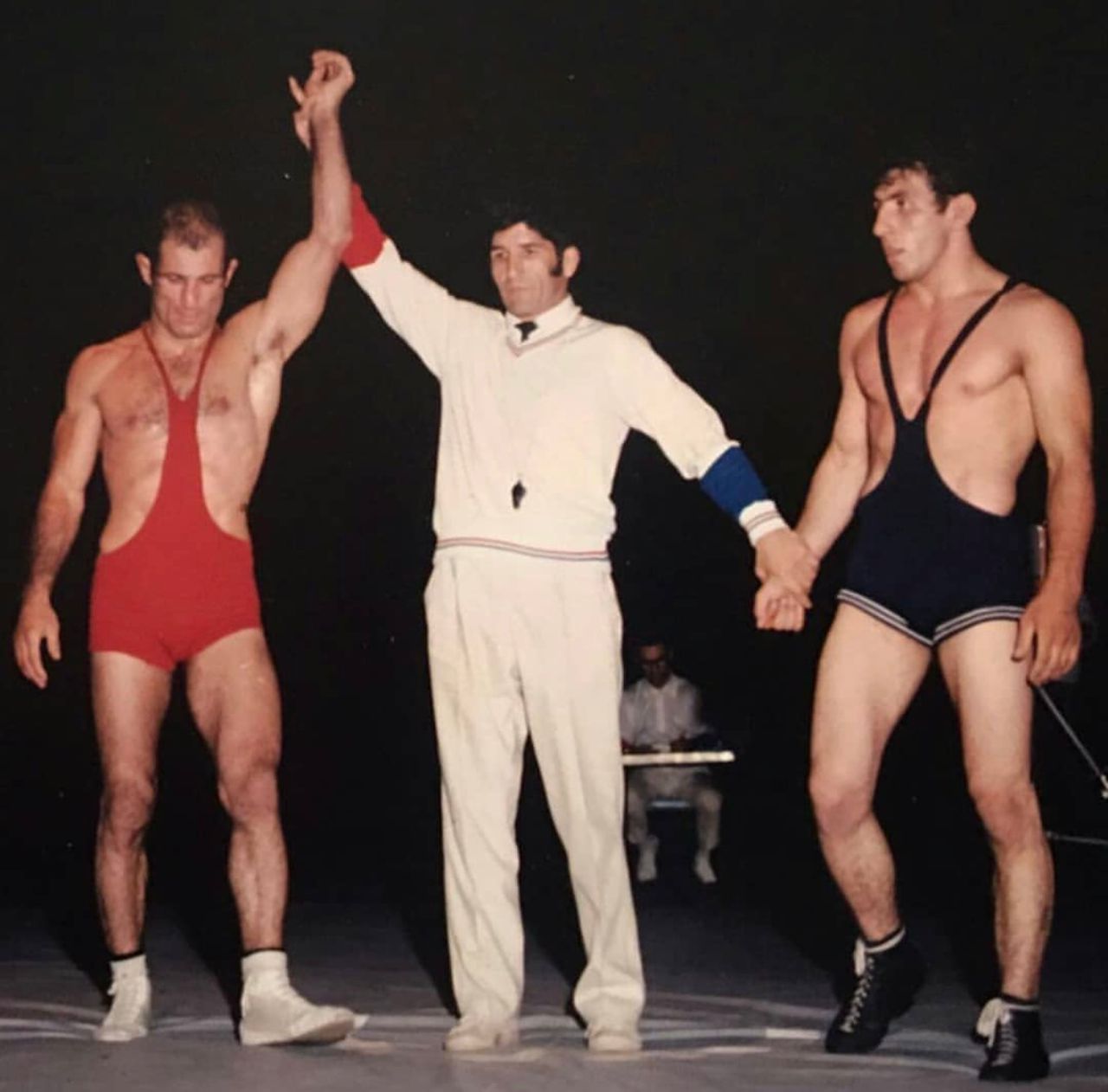
Development

South-East Asia & Oceania Education Week: A Vital Step in Wrestling Development

By United World Wrestling Press

PERTH, Australia (October 14, 2024) – The South-East Asia & Oceania Education Week, held in Perth from September 30 to October 4, marked a significant milestone in the growth and development of wrestling across the region. Representatives from seven Oceania nations—Australia, New Zealand, Samoa, Solomon Islands, Nauru, Tahiti, and the Marshall Islands—and a participant from Singapore gathered to foster collaboration and enhance wrestling expertise. For many, it was their first UWW certification in years, adding even more impact to the event.

The week was packed with essential courses focused on both technical and administrative skill development. The Level 3 Coaching Course, led by UWW Educator and USA Wrestling Gold Level Coach Marty Huack, provided advanced coaching strategies, emphasizing elite training methodologies and periodization. Participants gained valuable insights to elevate their coaching approaches and optimize athlete performance at the highest levels of competition.

The Level 2 Referee Course, delivered by UWW 1S Referee and local expert Stefan Rudevics, focused on refining officiating skills. Attendees deepened their understanding of rules, decision-making processes, and match management, significantly enhancing their capabilities for future tournaments. Additionally, Youssef Bouaziz, a UWW IT Specialist, led an IT Course that equipped participants with the digital tools essential for modern sports administration, including proficiency in the Arena platform for managing both national and international events.

AUSParticipants pose for a photo after the conclusion of The South-East Asia & Oceania Education Week. (Photo: United World Wrestling)

One of the week's standout moments was the opportunity for referees and IT participants to apply their newly acquired skills at the Australian Youth National Championships, which ran concurrently with Education Week. This live event setting allowed participants to gain hands-on experience, reinforcing their training and building confidence in real-time scenarios.

Feedback from the attending nations emphasized the significant professional growth experienced by participants, who valued the interactive, hands-on format of both the coaching and refereeing courses. The IT course, which focused on leveraging the Arena platform, was also highly praised for its practical application. During a feedback forum at the event's conclusion, participants expressed strong enthusiasm for future educational opportunities, reflecting their dedication to ongoing development.

Beyond technical training, Education Week fostered a deeper sense of unity and collaboration within South-East Asia and Oceania wrestling communities. By bringing together representatives from across the region, the event strengthened relationships and reinforced a collective ambition to raise wrestling standards. This spirit of cooperation enhanced individual skills while laying the groundwork for future growth and partnerships.

The success of South-East Asia & Oceania Education Week underscores the importance of regional collaboration in advancing wrestling development. We look forward to welcoming even more participants in future editions as we continue to elevate the sport across South-East Asia and Oceania.
Obituary

Abdullah Movahed: Iranian Legend Who Elevated Wrestling to Art Form

By United World Wrestling Press

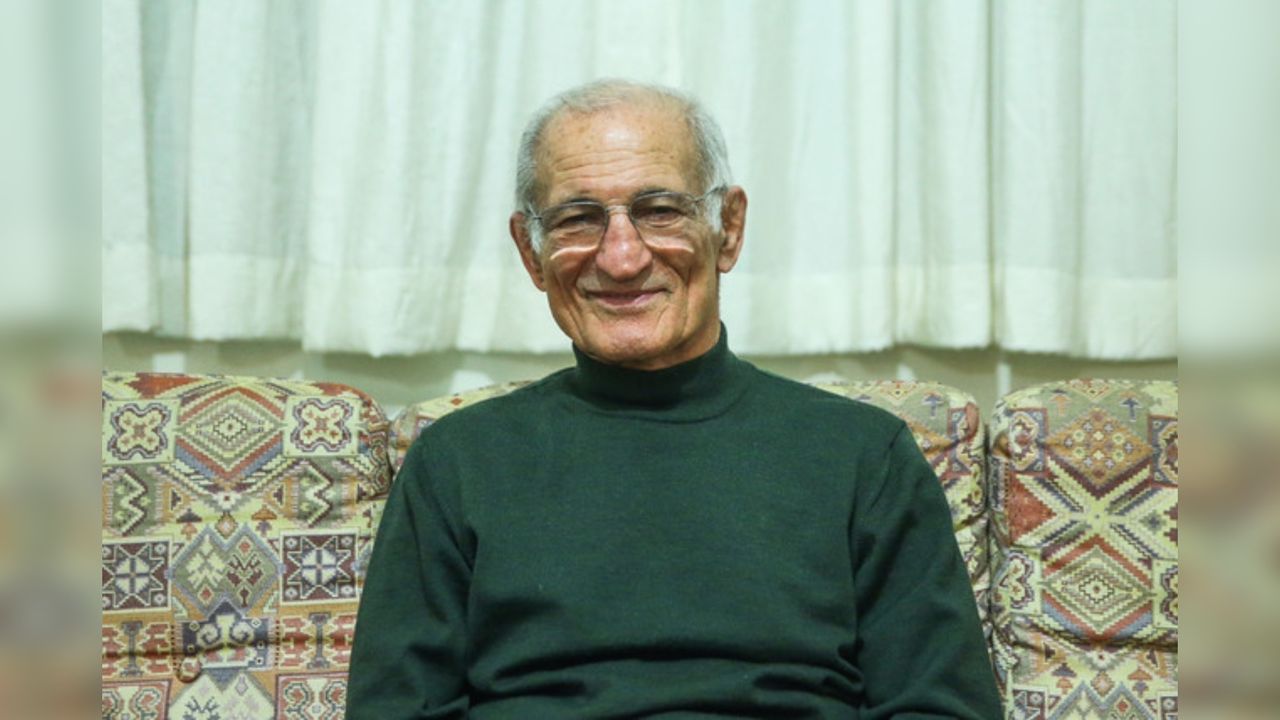
CORSIER-SUR-VEVEY, Switzerland, (May 1) -- Abdullah MOVAHED (IRI), one of the all-time greats of world wrestling and a dominant force in Freestyle during the 1960s, passed away in the United States on Thursday, April 30, after suffering a heart stroke. The Iranian legend was 86.

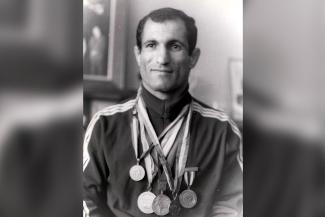
A member of the United World Wrestling Hall of Fame, Movahed’s name became synonymous with technical brilliance and relentless discipline. A five-time world champion, an Olympic gold medalist and twice Asian Games winner, Movahed was at the forefront of an era of Iranian excellence on the global stage. Competing in the 68kg and 70kg Freestyle weight classes, Movahed achieved a level of sustained dominance rarely seen in the sport.

Born in March 1940 in Babolsar, in Iran’s Mazandaran province, Movahed was introduced to volleyball as a young boy and was known locally for his exploits as a spiker. However, he quit the sport as he felt he wasn’t tall enough and didn’t believe he was suited for it. Ultimately, it was on the wrestling mat that he would carve out his legacy. 

He went on to join the Tehran Javan Sports Club, and as a youngster, Movahed didn’t have it easy. He frequently lost to established wrestlers like Mohammad SANATGARAN (IRI). However, he persevered, and coaches recognized his rare blend of agility, intelligence, and composure under pressure. These traits would define his career.

Movahed emerged during a time when Iranian wrestling was rich in talent. He shared the stage with wrestling legends such as Gholamreza TAKHTI (IRI), Mansour MEHDIZADEH (IRI), Ebrahim SEYFPOUR (IRI), and Emamali HABIBI (IRI). In such a company, greatness was neither guaranteed nor easily attained, but Movahed’s rise was swift.

His breakthrough came in 1962, when the erstwhile Soviet Union’s Freestyle champions travelled to Iran for a series of friendly bouts. His win over Zarbag BERYASHVILI made him an overnight sensation in Iran, and the following year, Movahed made his debut for the Iranian national team at the World Championships in Sofia, Bulgaria.

As a 23-year-old rookie, Movahed didn’t make much of an impact -- he shared sixth place with well-known Bulgarian wrestler Enyu VALCHEV (BUL). At the 1964 Olympics in Tokyo, he showed signs of improvement and finished fourth. A year later, at the World Championships in Manchester, he claimed his first world title, beginning an extraordinary run.

Abdullah MOVAHED (IRI)

From 1965 to 1970, Movahed was virtually untouchable. He won six consecutive major global titles at 68kg and 70kg, including World Championships in 1965, 1966, 1967, 1969, and 1970, along with Olympic gold at the 1968 Summer Olympics. That 1968 triumph, often cited as the pinnacle of his career, showcased his tactical mastery and unyielding determination. He also won the gold medal at the 1966 and 1970 Asian Games.

He returned for the 1972 Summer Olympics, but an unfortunate shoulder injury cut his campaign short, preventing a final chapter that might have further illuminated his already illustrious record. After the Games, Movahed, who had a master’s degree, moved to the USA, where he pursued a PhD at George Washington University. He continued to live there after earning his doctorate and worked as a mechanic.

Abdullah MOVAHED (IRI)

Beyond his medals, Movahed’s legacy lies in the standard he set. He helped define a golden generation of Iranian wrestling and inspired countless athletes who followed in his footsteps. His induction into the United World Wrestling's Hall of Fame secured his place among the all-time greats.

In mourning his passing, the wrestling world remembers not just a champion, but a craftsman whose sustained excellence elevated freestyle wrestling to an art form.