

Rome, Warsaw Tapped to Host 2020 Ranking Series Events
Thursday, October 10, 2019 - 13:16 By United World Wrestling Press

CORSIER-SUR-VEVEY (October 10) – United World Wrestling has announced Rome and Warsaw as hosts of the 2020 Ranking Series. Both events will include all three wrestling styles: freestyle, women’s wrestling, and Greco-Roman and will influence seeding for the 2020 Olympic Games in Tokyo.
Rome will host its competition January 15-18, while Warsaw will welcome wrestlers June 4-7 – one month after the final Olympic qualification tournament in Sofia, Bulgaria.
“We are pleased to announce our host cities for the 2020 Ranking Series,” said United World Wrestling president Nenad Lalovic. “There was outstanding participation at the 2019 events, which helped create excitement around our wrestlers and the World Championships in Nur-Sultan. We thank the local organizing committees in Rome and Warsaw for hosting these events.”
The 2020 Ranking Series will influence the top four seeds at the Tokyo Olympic Games, which will mark the first-time wrestling has used the Ranking Series to seed at the Olympics. With weight classes limited to 16 entries per weight, 25-percent of each category will be seeded, ensuring fans will enjoy several premier matchups in the semifinals and finals.
Ranking Series points are collected from finishes from the World Championships, Continental Championships, and Ranking Series events. Current rankings are posted on the United World Wrestling homepage and are updated after each relevant tournament.
The remaining Olympic qualification tournaments will also utilize seeding for the top two positions, drawing from the 2019 World Championships, first Ranking Series event, and the Continental championships.
Currently all NOC’s who earned Olympic qualification at the 2019 World Championships have confirmed their nation’s participation at the 2020 Olympic Games.
Wrestling at Tokyo 2020 will run from August 2-8 at Makuhari Messe in Chiba.
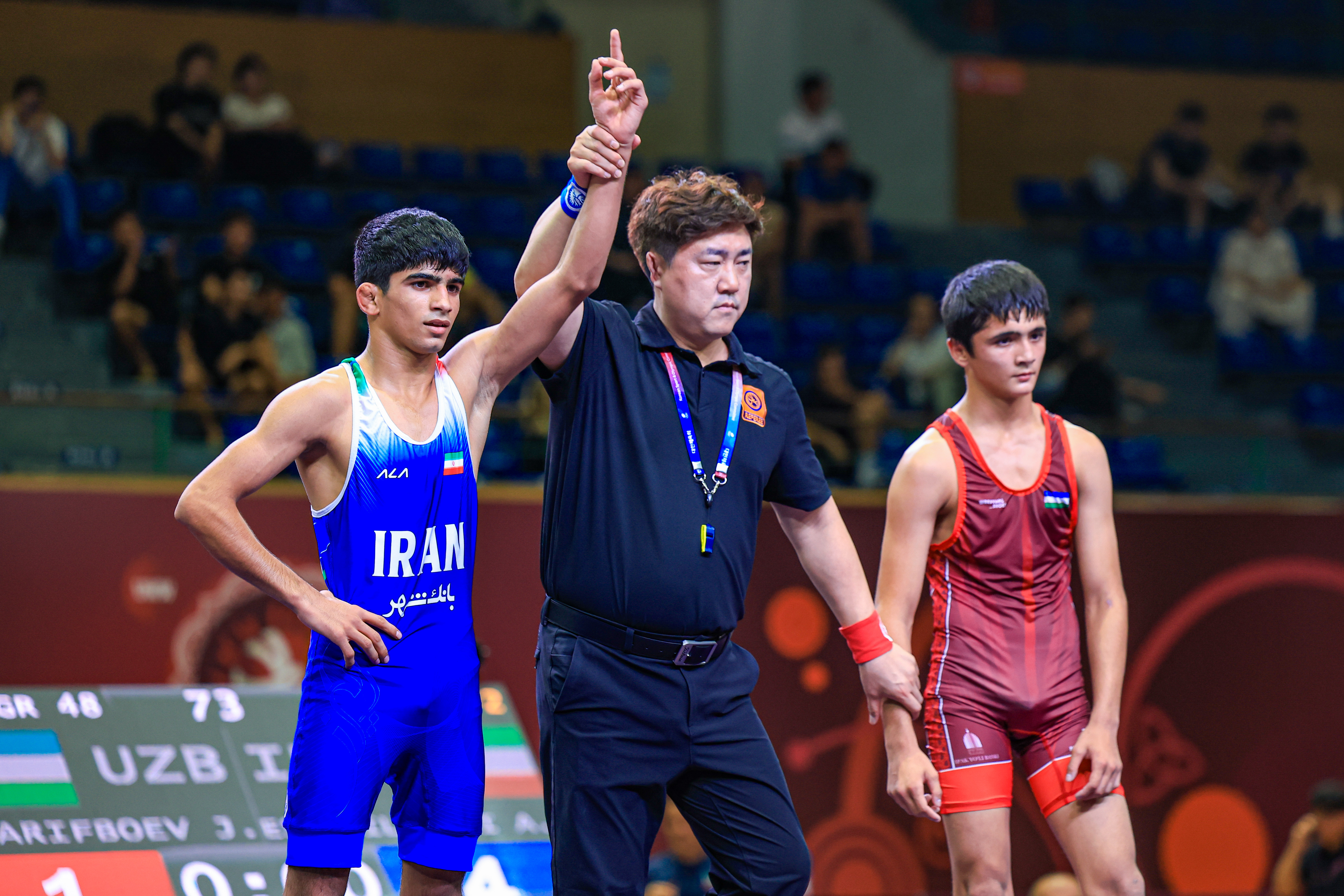 Ali ESMAEILI (IRI) became the U17 Asian champion at 48kg in Greco-Roman. (Photo: United World Wrestling / Amirreza Aliasgari)
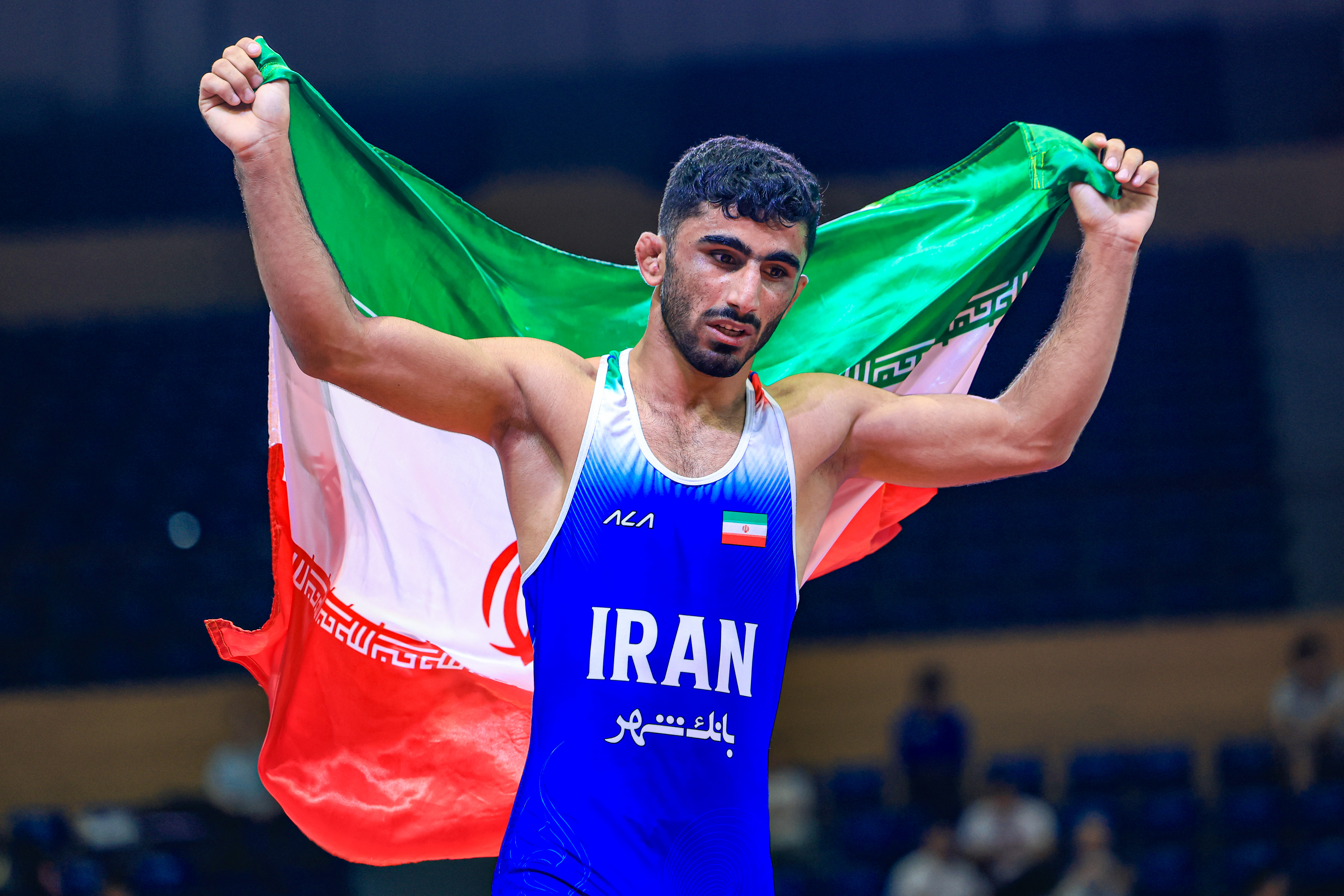 Vahid ASHIRI (IRI) claimed the 55kg gold medal. (Photo: United World Wrestling / Amirreza Aliasgari)
Share your thoughts.
Comments