

Olympic Feature: Amir Al-Awad
Friday, June 19, 2020 - 12:24 By United World Wrestling Press
United World Wrestling recently caught up with Olympic hopeful and Syrain refugee Amir Al-Awad. Until recently he used to train at the Olympic Club in Alexandria, but since the suspension of all sports activities due to COVID-19, all clubs in Egypt are closed since mid-March 2020. He is hopeful to resume some activities by the start of July, but throughout the lockdown period as of mid-March, Al-Awad has been training at home with a private coach to keep fit and not lose his momentum.
Right now Al-Awad says his main goal remains to prepare for the 2021 Olympic Games and the relevant qualification competitions. As such he will keep on training privately and cope with the challenging situation we are all facing until things return back to normal.

To read more on Al-Awad's life check out this snippet from June 1st feature on Olympic.org
Amir Al-Awad, an 18-time Syrian champion, had consigned wrestling to the past when he and his family were forced to flee their country in fear in 2011. But, after being inspired by the chance to show his fellow refugees that anything is possible, he returned to the mats.
Syrian Amir Al-Awad is grateful to wrestling. Even at his lowest moments, when grappling on a mat was far from his thoughts, the sport has remained ingrained inside.
Wrestling makes you face challenges and as a wrestler I was taught to be resilient and confront life, no matter what, explained Al-Awad, whose life was sent spinning by the outbreak of civil war in Syria in 2011. “If I am thrown to the ground or hit the bottom I have to come up and start afresh.”
Wrestling-obsessed since he was nine years old, the former Asian and Arab champion has come to embody this ethos. After his house was destroyed, Al-Awad and his family became internally displaced as war raged around them. The former professional sportsman was routinely arrested. Both warring sides were suspicious of his determination not to declare an allegiance. Finally, when once again in jail and unable to look after his then-pregnant wife, Al-Awad decided they had to leave.
His wife made it to Egypt and eventually so too did Al-Awad. Abandoning a plan to try to reach Europe, the couple began the arduous task of building a new life as legal refugees. But, despite three years spent focusing on finding a job and caring for his young family, wrestling found its way back in.
“It became a win-win situation,” said the 18-time national champion....
To read more on Amir Al-Awad's journey back to the mat please click here: Olympic.org)

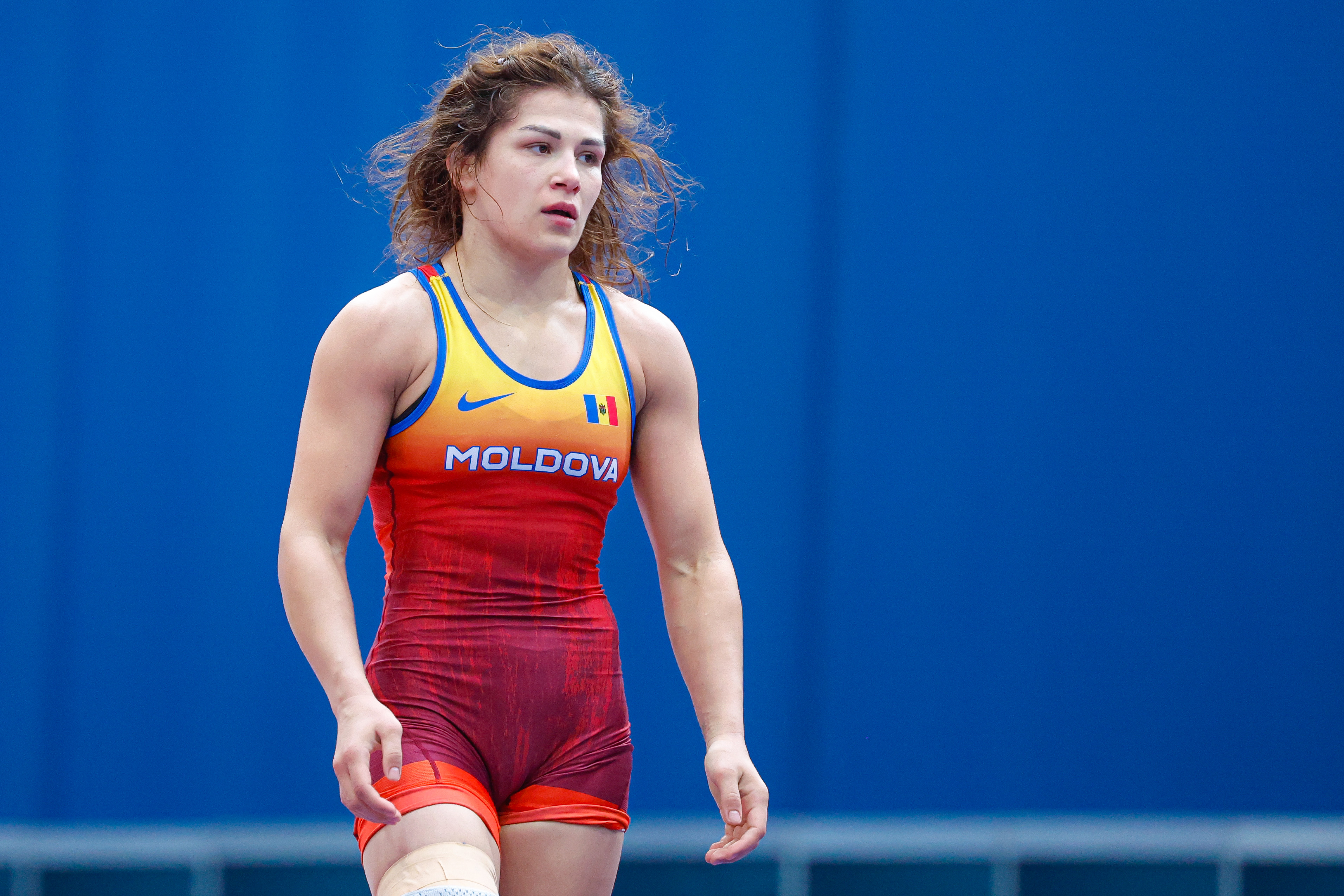 Anastasia NICHITA (MDA) marks her return to the mat in Budapest. (Photo: United World Wrestling / Kostadin Andonov)
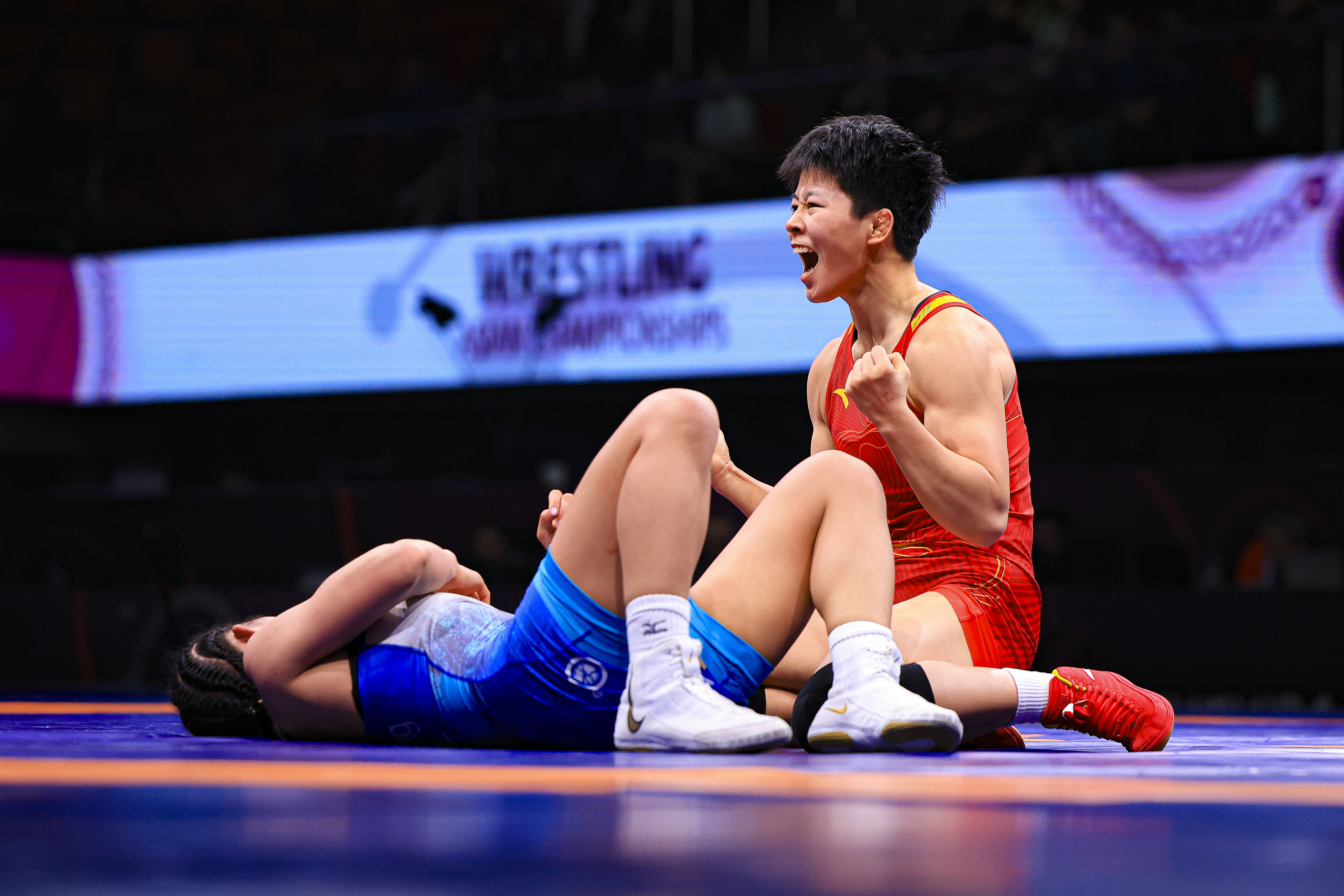 Kexin HONG (CHN) is the Asian champion at 57kg. (Photo: United World Wrestling / Kadir Caliskan)
Share your thoughts.
Comments