

Jordan Hosts Level I Technical Course
Friday, May 10, 2019 - 14:14 By United World Wrestling Press

CORSIER-SUR-VEVEY (May 10) – The Jordanian Olympic Committee with the support of Olympic Solidarity and in collaboration of the Jordan Wrestling Federation, hosted a Level I technical course for coaches February 4-8 in Amman.
The course was conducted by UWW Educator Batbayar BUYANDELGER (MGL) and gathered 21 participants and was followed by an "Introduction to Refereeing" conducted by fellow UWW Educator Sherif HALAWA (EGY).

Jordan is among the first nations to benefit from the launch of the development initiative to assist developing nations in organizing national wrestling competitions. To ensure that lessons were well-received the participants at both courses took part in the organization and delivery of the competition, which included 20 cadet and junior level boys and 7 national referees.
The budget of $3000 was allocated for the event, with the Jordan Wrestling Federation offering positive feedback on their experience.
In order to encourage grassroots development of smaller wrestling national federations, UWW is encouraging countries to organize at least one competition per year, and when possible that will be supported and assisted by UWW in conjunction of an Olympic Solidarity Technical Course for Coaches.

“The aim is to promote the sport of wrestling in Jordan and the region. Middle-East countries have a strong wrestling history with great potential for development, this is why we want to assist them in their development process.” said Ms. Deqa Niamkey, UWW Development Director. “ Following the first project in Burundi, we received many requests of technical courses for coaches and a high demand to host national competitions right after the educational courses. UWW expert educators, are contributing tremendously to this growth and I trust these events will contribute tremendously to the growth of wrestling.”
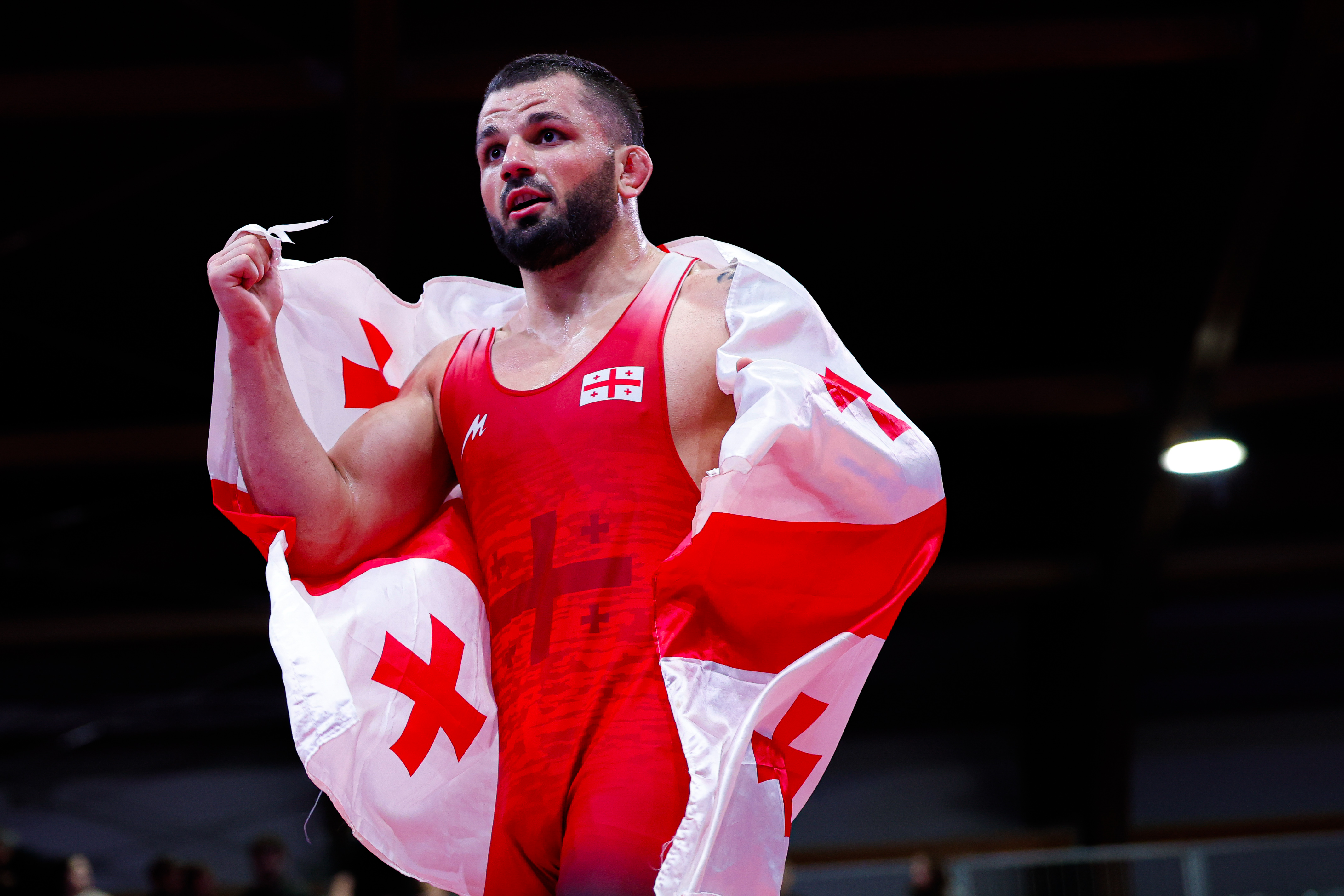 Givi MATCHARASHVILI (GEO) is a three-time European champion. (Photo: United World Wrestling / Kostadin Andonov)
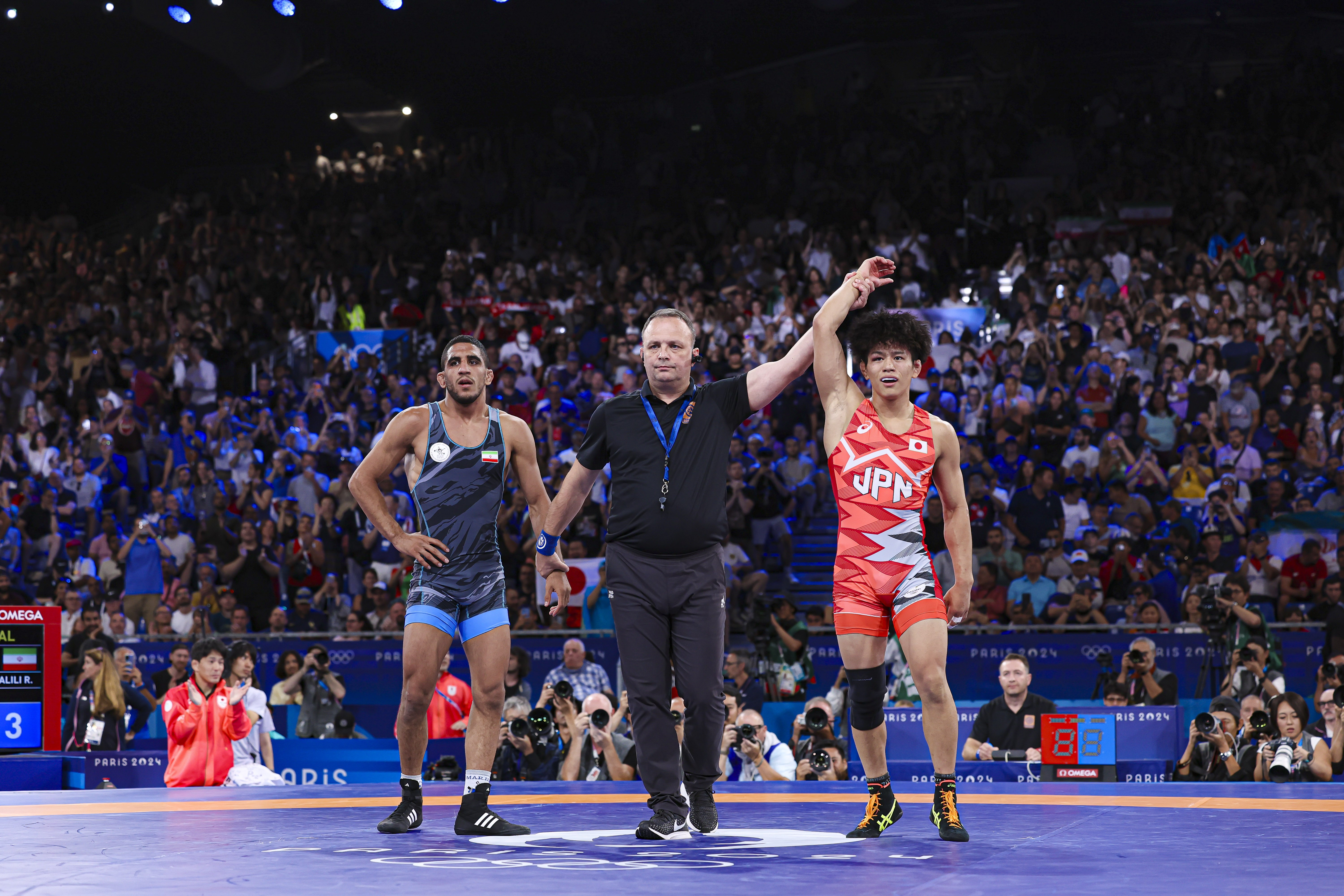 Kotaro KIYOOKA (JPN) defeated Rahman AMOUZAD (IRI) in the 65kg Olympic final. (Photo: United World Wrestling / Kadir Caliskan)
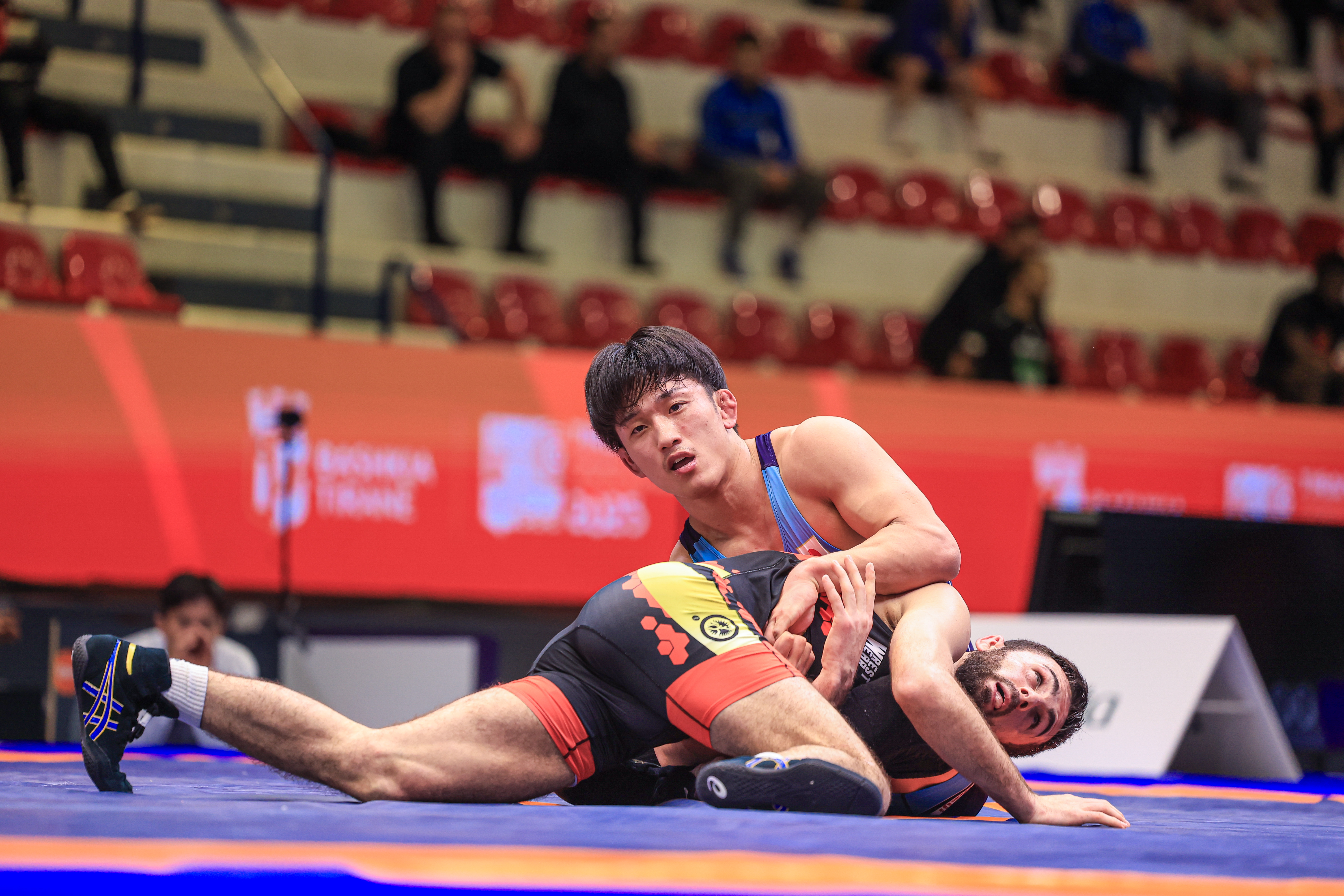 Takara SUDA (JPN) is the Asian champion at 61kg. (Photo: United World Wrestling / Amirreza Aliasgari)
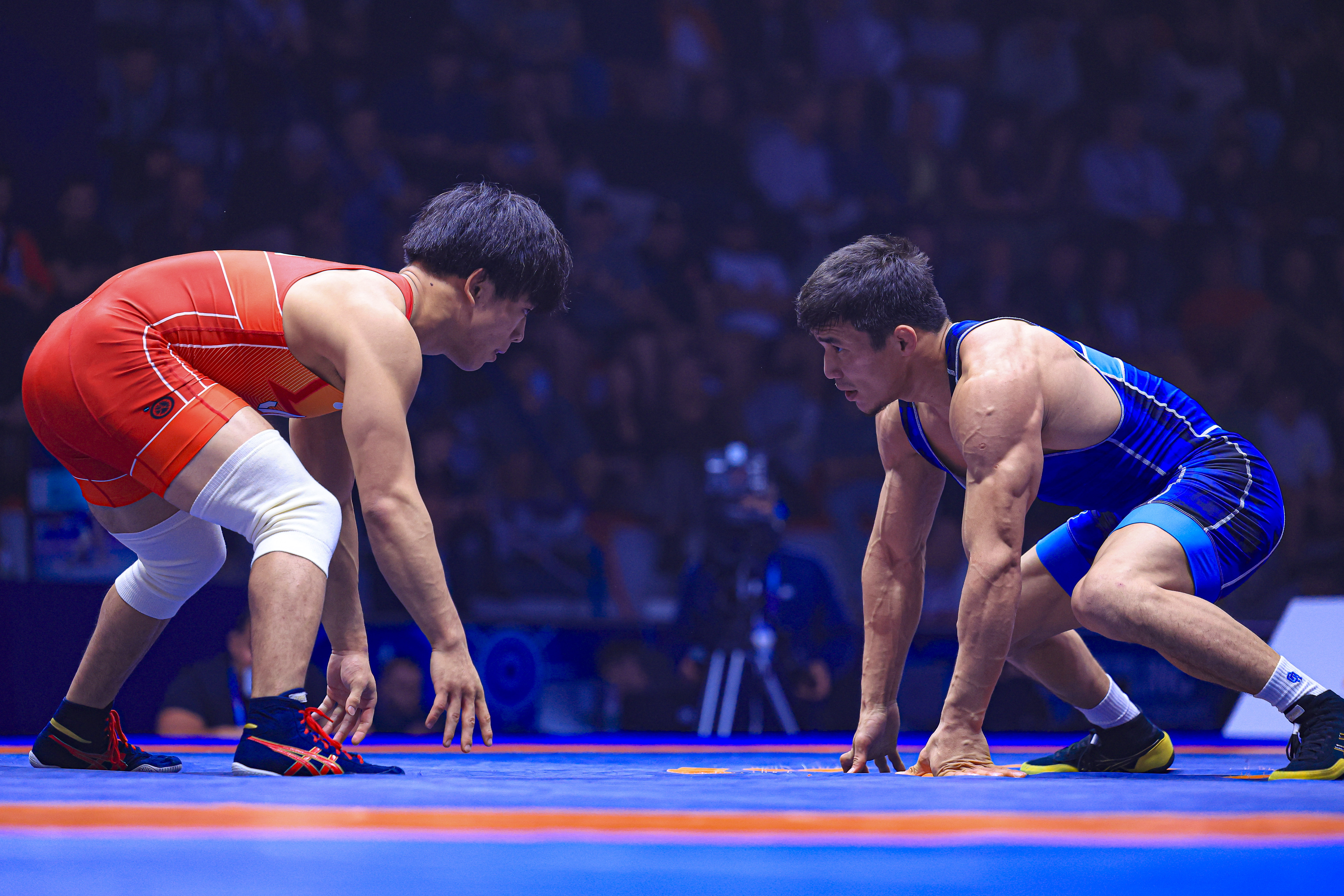 Nurkozha KAIPANOV (KAZ), blue, and Yoshinosuke AOYAGI (JPN) wrestled in the 70kg final at 2024 World Championships. Kaipanov won gold. (Photo: United World Wrestling / Kadir Caliskan)
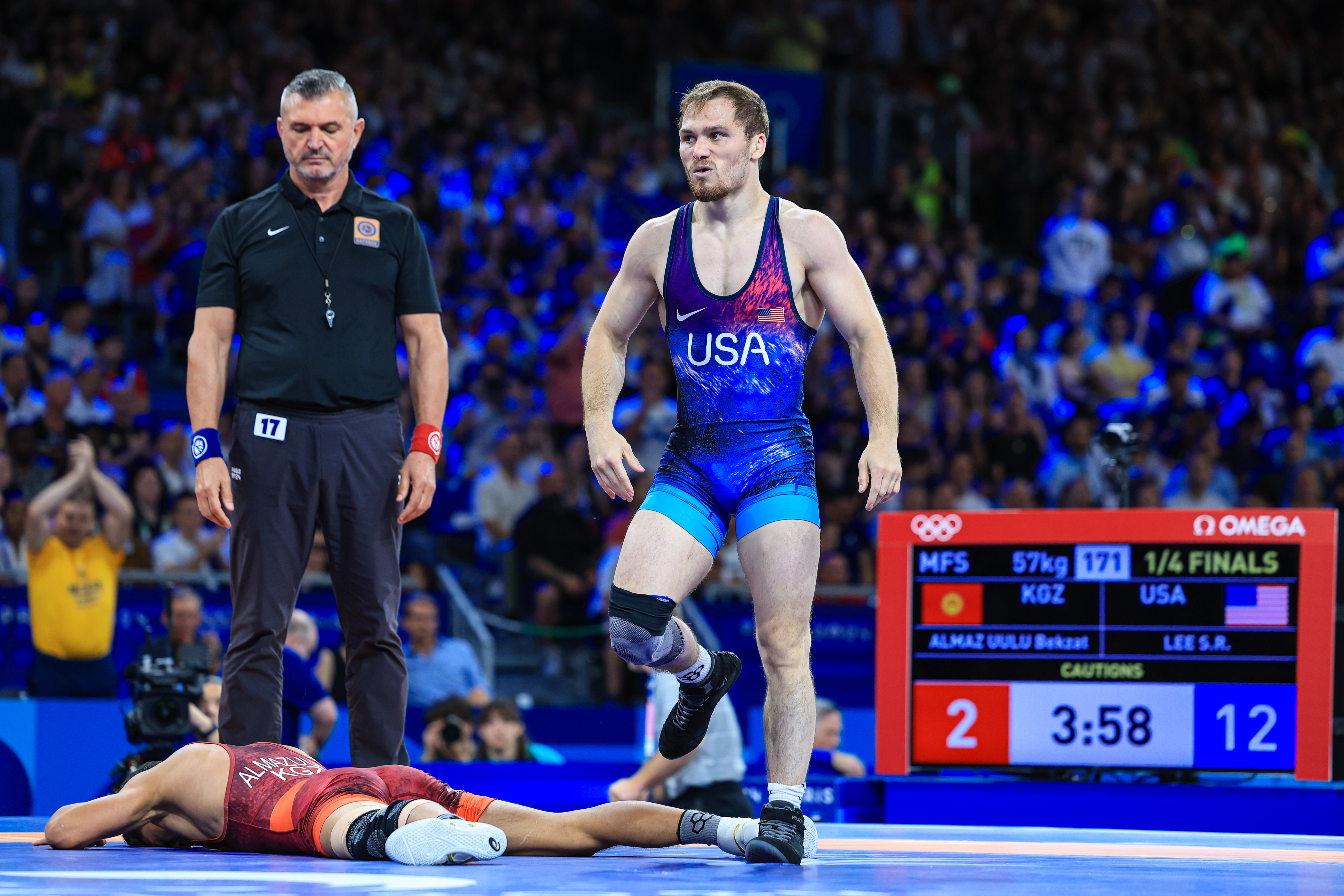 Olympic silver medalist Spencer LEE (USA) is chasing his first world title at 57kg. (Photo: United World Wrestling / Amirreza Aliasgari)
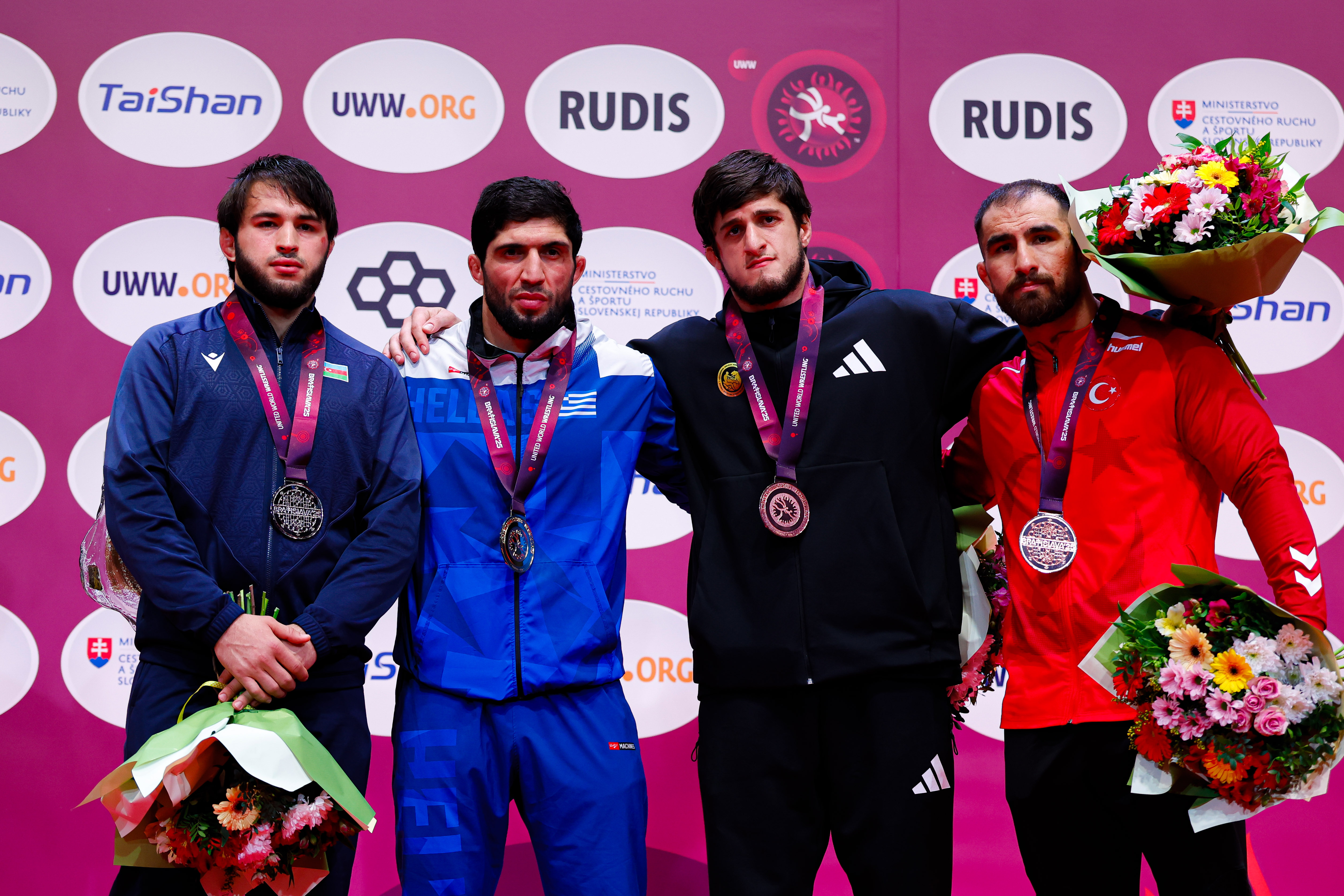 All four 2025 European Championships medalist Osman NURMAGOMEDOV (AZE), left, Dauren KURUGLIEV (GRE), second from left, Miriani MAISURADZE (GEO), third from left, and Feyzullah AKTURK (TUR) are medal threats in Zagreb. (Photo: United World Wrestling / Kostadin Andonov)
Share your thoughts.
Comments