

First-ever coaching and refereeing courses held in Iraq
Friday, February 10, 2023 - 15:47 By United World Wrestling Press

Baghdad, Iraq (10 February) – The Iraqi Wrestling Federation hosted their first-ever education courses for coaches and referees. These courses were conducted between 23-29 January in Baghdad, Iraq. These courses were conducted in conjunction with UWW, Olympic Solidarity, Iraqi NOC and the Iraqi Wrestling Federation. The coaching course was led by Mr. Ahmed KHEDHRI (TUN). The referee course was led by Mr. Kamel BOUAZIZ (TUN), the Vice-President of the UWW Referee Commission and President of Arab Wrestling Federation.
The technical course for coaches was conducted from 23-28 January. Over 50 coach participants attended and participated in this Level 1 Course (Introduction to Coaching and Safety). The following topics were covered throughout the course: discovery games, introducing a new technique, coaching skills, giving feedback, risk management, age and developmental stage characteristics. During the course, the coaches actively practiced and developed their skills through practical evaluations. The participants also had a session on first aid that was given by Dr. Ahmed Al-Tamimi. Overall, the coaches gained important knowledge and skills to help them improve in their role as a coach. “A magnificent and active group, all were actively coaching within clubs and national teams. They demonstrated the necessary seriousness and had a strong desire to learn. They were completely disciplined and respectful, and they have a strong desire to boost their knowledge.” Said Mr. Khedhri.
 Attendees go ask questions about practial wrestling situations to Mr. Kamel Bouaziz. (Photo: United World Wrestling)
The Introduction to Refereeing Course was conducted from 23-25 January. This course was led by Mr. Kamel Bouaziz and had 17 participants which included 7 women. The participants learned the foundations of what it takes to be a great referee. The areas covered during the course included: safety of the athletes, evaluation of holds, referee mechanics, positioning, and controlling the bout. The participants were active during the course and were able to practice their skills through practical evaluations. “This course was successful from all points of view. This was the first time in the history of Iraqi wrestling that they had an educator or lecturer from the international wrestling federation. All of the participants worked hard and improved throughout the week.” Said Mr. Bouaziz.
 Participants from the education courses for coaches and referees pose for a photo with their diplomas. (Photo: United World Wrestling)
At the conclusion of the courses, the Iraqi Wrestling Federation organized a competition. The competition had over 40 participants and they competed in 60 matches. The competition allowed the coaches and referees to directly practice the new skills that they learned.
“There was a remarkable interest and continuous follow-up by the Iraqi Wrestling Federation. They are making a great effort to develop wrestling in their country.” Said Mr. Khedhri
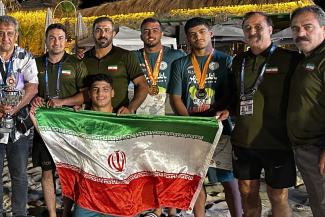
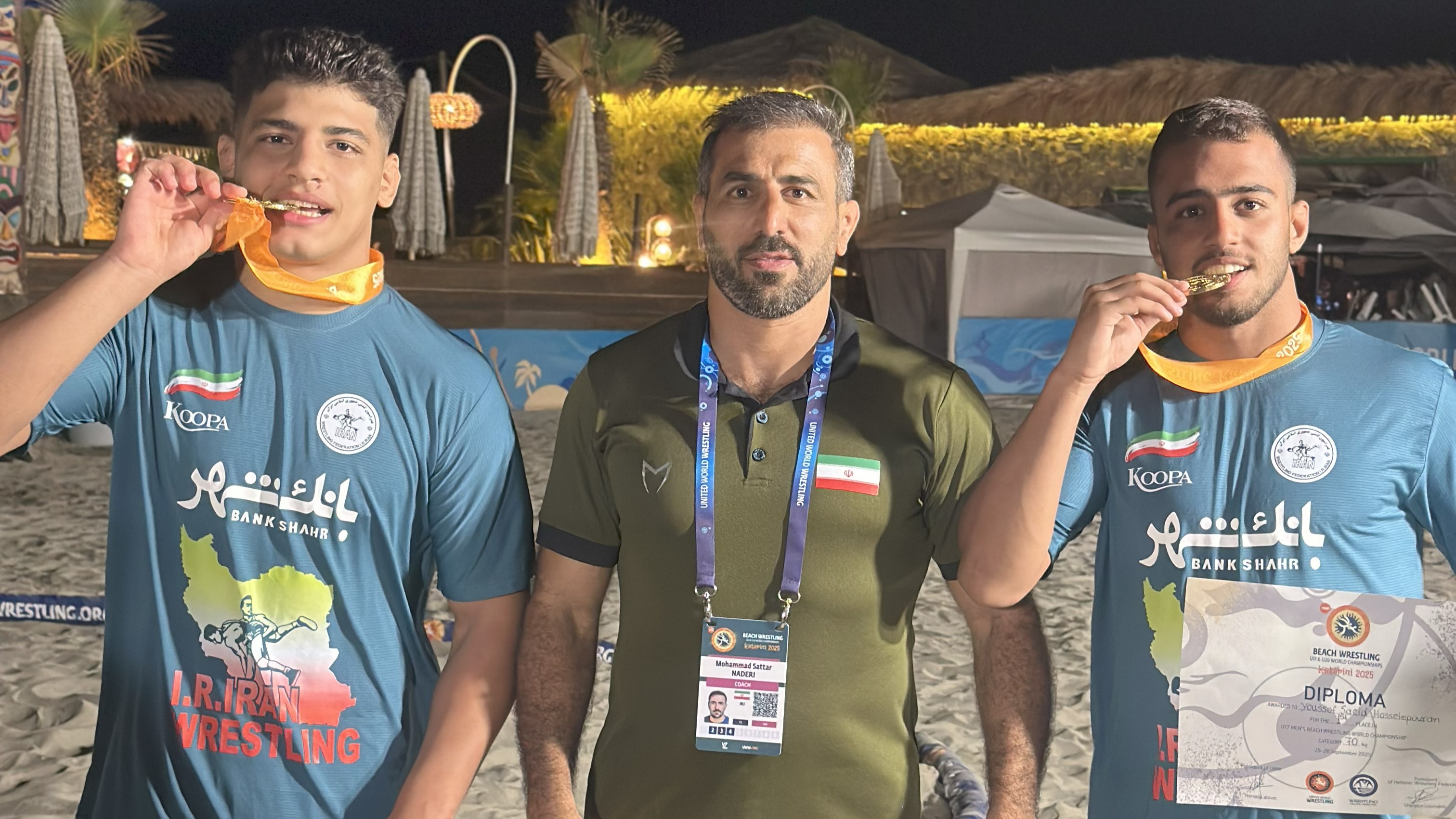 Iran's two gold medalists in Greece, Mahdi FOTOUHI (IRI), left, at 90kg and Youssof HOSSEIN (IRI), right, at 70kg.
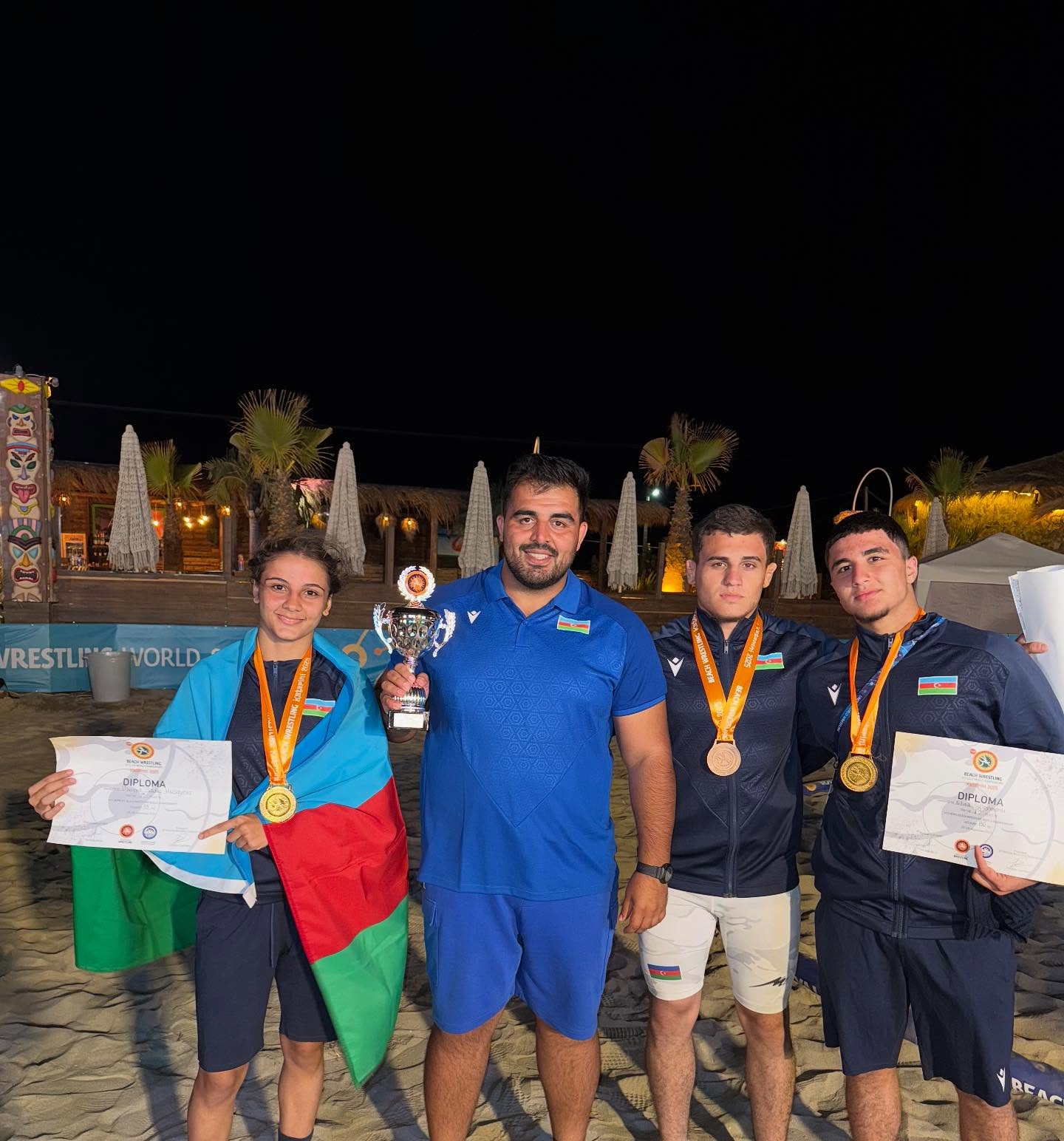 Azerbaijan's first-ever gold medalist Ulviyya MUSAYEVA (AZE) with other team members.
Share your thoughts.
Comments