

Croatia continues to Train and Develop their Coaches and Referees
Tuesday, June 3, 2025 - 11:05 By United World Wrestling Press

POREC, Croatia (June 3) – The Croatian Wrestling Federation continues to add educational activities for their coaches and referees. The previous year, they hosted a Level 2 course on the Introduction to Practice Planning. This year they organized a Level 3 coaching course on Periodization and Coaching Philosophy. They also organized a Level 1 – Introduction to Referee course for their younger national referees. This year’s courses were conducted on 21-24 May in the beautiful city of Porec and was done in conjunction with Olympic Solidarity and United World Wrestling.
The coaching course was led by UWW Educator Mr. Nenad Žugaj (CRO). During the course, the 26 participants developed a better understanding of how periodization works when designing training sessions. They were able to integrate those concepts and design their own plans. The participants also focused on developing a coaching philosophy that they can use with their teams.
“The participants were active, I think they relaxed more and more every day and thus became more creative in their answers. I am pleased with the energy that prevailed and the positivity of the participants through jokes but also more serious topics.” said Mr. Žugaj Eric, one of the coach participants said, “’I really liked the course and I would like to see such educations held more often. I especially liked how we, the coaches and referees, had joint lectures and assignments and were able to give opinions and views from different perspectives. I am looking forward to the next Level 4 course.”
 Participants look on doing the education courses held in Croaita during the final week of May. (Photo: United World Wrestling)
The referee course was led by UWW Educator Ms. Edit Dozsa (ITA). The course had 13 participants who focused on the fundamentals of being a good referee. They focused on the evaluation of holds, how to properly start and end matches, proper referee mechanics, and keeping the athletes safe during bouts. The referee participants were able to practice their skills through simulated matches and practical assessments.
Both the coaches and referees had some working sessions together. They were able to analyze the roles of the coaches and of the referees. This helps give them a better understanding of the jobs that they do. They also discussed the importance of athlete safeguarding in wrestling.
“The cooperation with the educators Edit and Nenad was very good and successful. I visited the lectures on a couple of occasions and found them to be educational and interesting. The feedback from our coaches and judges was positive.” said Tin Bregović.
The Croatian Wrestling Federation also hosted a competition at the end of the courses. This competition allowed the coaches and referees to practice some of the skills that they had just learned during the course.
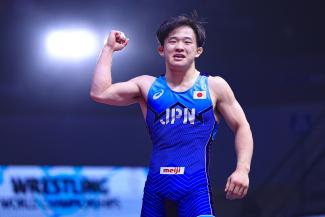

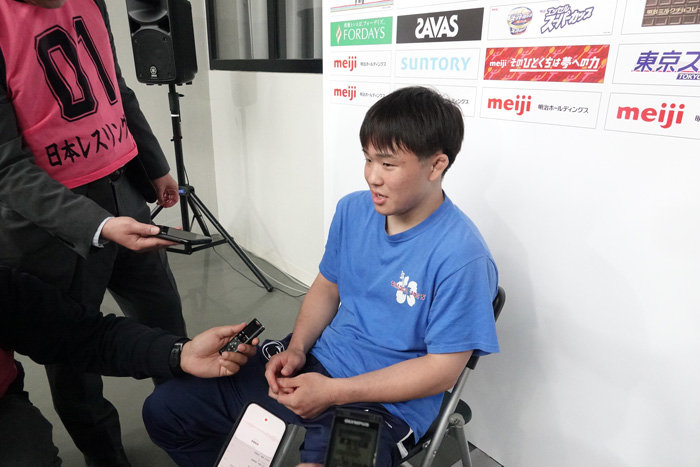 Masanosuke ONO (JPN) giving interview on the sidelines of the Meiji Cup. (Photo: wrestling-spirits.jp / Ikuo Higuchi)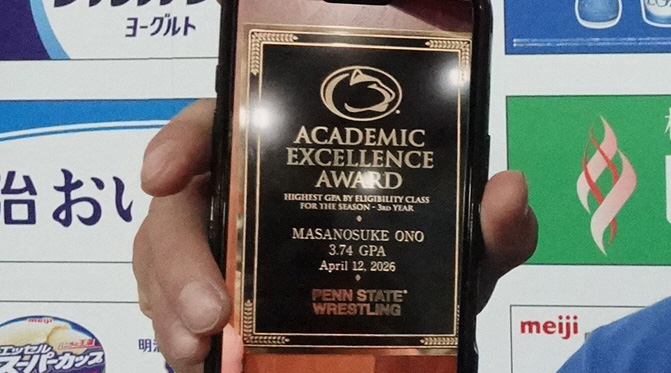
Share your thoughts.
Comments