

Bringing Asia Together: OCA-UWW Wrestling Camp Concludes in China
Thursday, July 16, 2026 - 16:14 By United World Wrestling Press
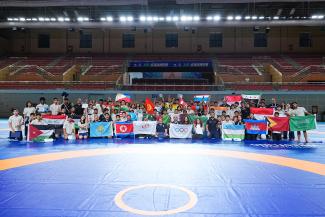
GUANGZHOU, China (July 15) -- The 2026 Olympic Council of Asia and United World Wrestling Asian Wrestling Youth Camp and Course for Coaches concluded at the Guangzhou Polytechnic of Sports on Wednesday, bringing together 62 athletes and 30 coaches from 30 National Olympic Committees (NOCs) across Asia.
Held from July 8-15, the camp also included 40 student wrestlers from the Guangzhou Polytechnic of Sports, providing additional training opportunities and a valuable platform for athletes and coaches to exchange knowledge and experience.
At the closing ceremony, participants received certificates of participation and commemorative gifts from representatives of the OCA, UWW and the Guangzhou Polytechnic of Sports.
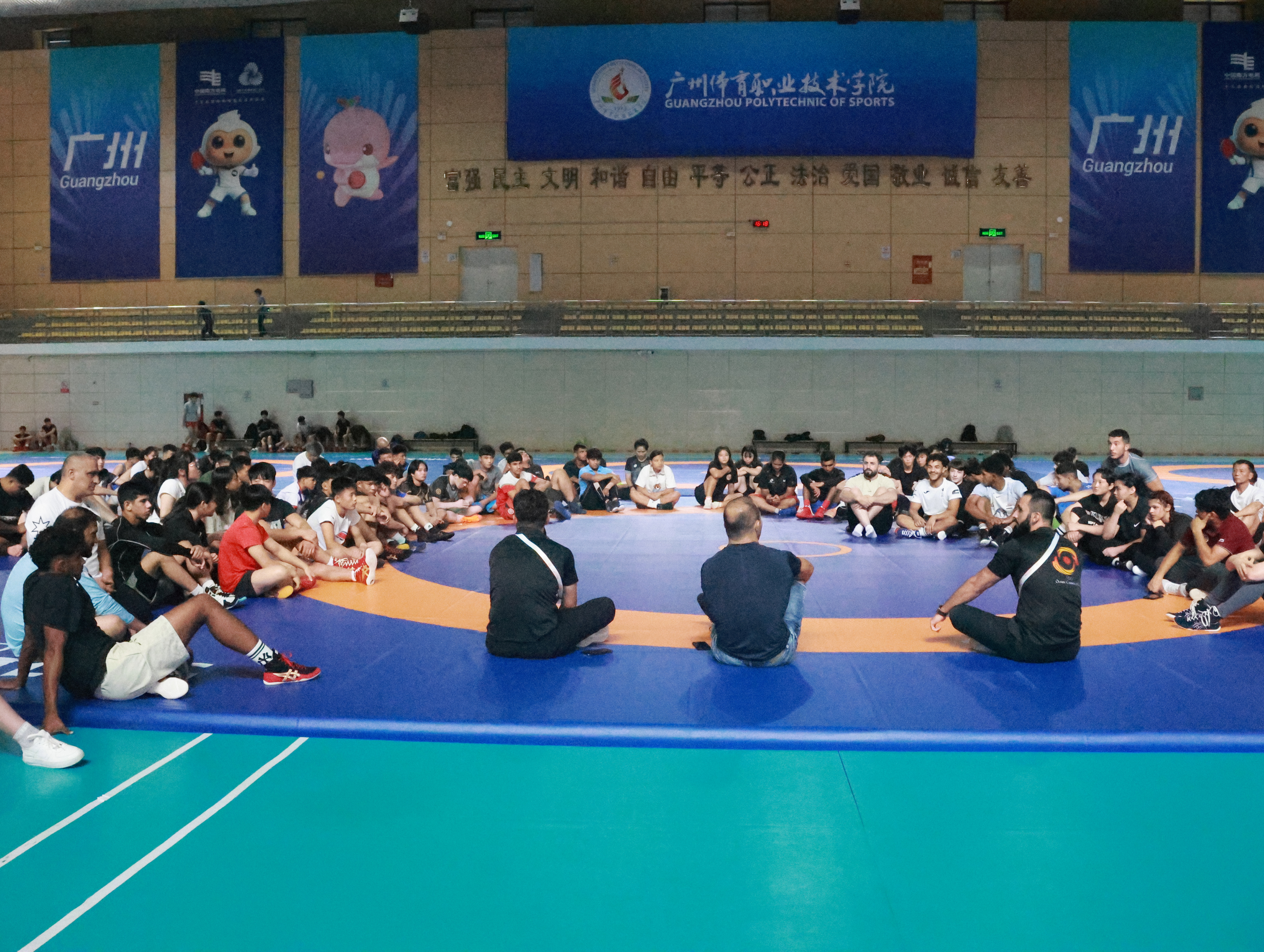
OCA Director of Family Relations & Development Programs Wissam TRKMANI thanked all those involved in organising the camp.
“This has been a wonderful camp and I would like to thank everyone who has made it possible," Trkmani said. "Wrestling is one of the oldest Olympic sports. It builds mental resilience, physical strength and personal discipline, providing a strong foundation for athletic development. The UWW educators have truly inspired the young athletes, and everyone worked hard to make this camp a success.”
Trkmani encouraged the athletes, aged 14 to 17, to continue pursuing their sporting ambitions and thanked the coaches for their commitment to developing young wrestlers across the continent.
Speaking on behalf of UWW, Bureau member, Olympic silver medallist and Chair of the UWW Athletes Commission Arsen JULFALAKYAN described the camp as amazing and encouraged coaches to share the knowledge and experience gained in Guangzhou with their wrestling communities at home.
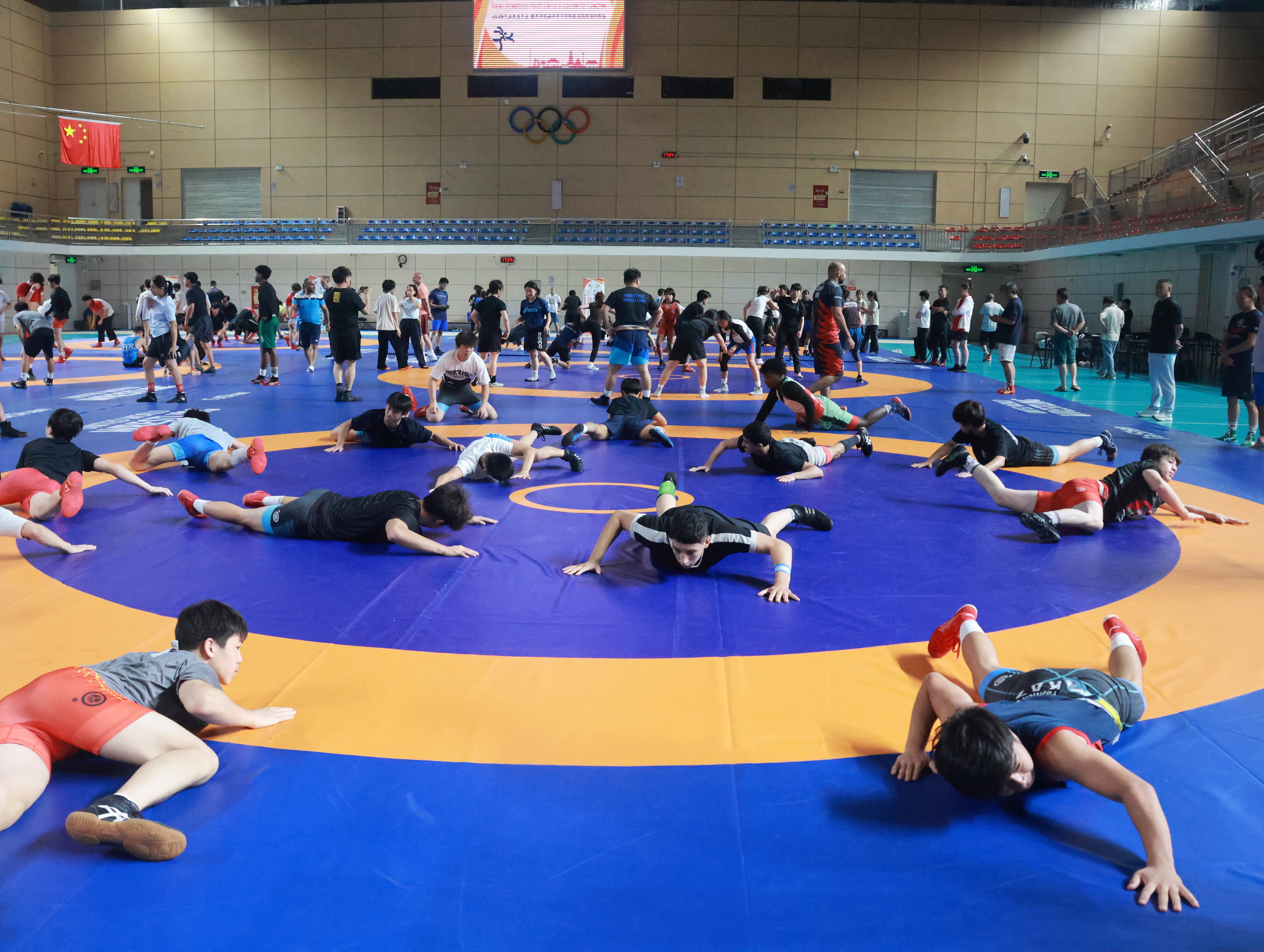
UWW Development Director Deqa NIAMKEY highlighted the importance of the camp for the future development of wrestling in Asia.
“This is the biggest youth camp we have hosted in Asia, thanks to the support of the OCA and all the National Olympic Committees and National Federations," Niamkey said. "Youth development is one of the main pillars of UWW development, and coaches are fundamental to that mission. This event not only provided an opportunity to improve technical standards but also allowed athletes to make friends and coaches to exchange experience and expertise, helping to build a stronger wrestling community across Asia.”
The camp combined athlete training sessions with a dedicated education programme for coaches, reinforcing the commitment of the OCA and UWW to developing wrestling through athlete pathways, coach education and international cooperation.

Share your thoughts.
Comments