BRATISLAVA, Slovakia (August 2) -- The U20 World Championships will be held in Bratislava, Slovakia from August 16 to 23 at the Sportova Hala Mladost.
The tournament will see around 700 wrestlers competing in Freestyle, Greco-Roman and Women's Wrestling with 120 medals on line.
Watch the U20 World Wrestling Championships 2026 live on UWW+. Use code BUNDLE20 and get 20 percent off.
Freestyle
57kg
Sasha PETROSYAN (ARM)
Muhammad ISMAYILOV (AZE)
Matsvei SYTSEVICH (BLR)
Nik Ignatov DOYCHINOV (BUL)
Javier TONITA (CAN)
Chengtao WANG (CHN)
Dunia SIBOMANA (COD)
Gaspard CHEYNOUX (FRA)
Danoush JOWKAR (GBR)
Giorgi MAISURADZE (GEO)
Isaac WONG (HKG)
Karoly BARATH (HUN)
RUPESH (IND)
Arman ELAHI (IRI)
Sina BOUSTANI (IRI)
Yamato OGAWA (JPN)
Nurassyl ASSAMBEK (KAZ)
Nurtilek ZAMIRBEKOV (KGZ)
Gheorghi GAIDARJI (MDA)
Naran BARKHAS (MGL)
Raiden HOBSON (PLW)
Pavlo ILNYTSKYI (POL)
Nathaniel LYTTLE (PUR)
Magomed MAGOMEDOV (RUS)
Patrik VETRAK (SVK)
Ebubekir GUR (TUR)
Mykola BRATOV (UKR)
Isaiah CORTEZ (USA)
Ulugbek RASHIDOV (UZB)
61kg
Gagik GHAZARYAN (ARM)
Kristian CIKEL (AUT)
Jamal ABBASOV (AZE)
Erdal GALIP (BUL)
Cruz LEWIS (CAN)
Anchao LU (CHN)
Heritier MUAYA (COD)
Zeyad HASSANEINN (EGY)
Ruben TANGAMYAN (GEO)
Eliah LUCYGA (GER)
MAYANK (IND)
Ahora KHATERI (IRI)
Itsuki YONASHIRO (JPN)
Bekassyl ASSAMBEK (KAZ)
Amir RIFOV (KGZ)
Marcel ANDRONACHE (MDA)
Moses MENDOZA (MEX)
Dulguun ENKHBAATAR (MGL)
Frederick BACHMANN (PUR)
Zelimkhan CHANIEV (RUS)
Azatberdi ASHYRGULYYEV (TKM)
Nurettin KAPAL (TUR)
Andrii SHOKALIUK (UKR)
Aaron SEIDEL (USA)
Fakhriddin NASRIDDINOV (UZB)
65kg
Aren HAYRAPETYAN (ARM)
Bilal CETIN (AUS)
Bashir VERDIYEV (AZE)
Aleksandar DELCHEV (BUL)
Karson BROWN (CAN)
Chenqi SONG (CHN)
Khizir DASIYEV (FRA)
Mate NADIRADZE (GEO)
Mozes LASZLO (HUN)
Rohit KUMAR (IND)
Aliasghar TATHASHTIKEH (IRI)
Takuto OSEDO (JPN)
Yeraly ASKERBEK (KAZ)
Isa ISAKOV (KGZ)
Kanghyun GO (KOR)
Abdullatif ALBAKRI (KSA)
Maxim DIMOV (MDA)
Fernando PEREZ (MEX)
Amanbyek MYERVYET (MGL)
Ivan OKSIUK (POL)
Yandel MORALES (PUR)
Tamaterai HERVE (PYF)
Zalimkhan UMAROV (RUS)
Haci ZADE (TUR)
Zorab ALOIEV (UKR)
Bowen BASSETT (USA)
Sanjarbek ANVARBEKOV (UZB)
70kg
Walid BEN ZAMIME (ALG)
Davit DAVTYAN (ARM)
Haji KARIMOV (AZE)
Vladislav SEIZOV (BUL)
Ryan DAHCHA (CAN)
Xin WANG (CHN)
Miscael NKUNGA (COD)
Mohamed AHMED (EGY)
Bayssangour BITMURZAEV (FRA)
Zurab ABALAKI (GEO)
Ahmad ARSZUNKAEV (HUN)
Sumit BHARASKAR (IND)
Sina KHALILI (IRI)
Takuro MATSUBARA (JPN)
Sungkar SEIDAKHMET (KAZ)
Zalkarbek TABALDIEV (KGZ)
Ionut TRIBOI (MDA)
Gabriel SANCHEZ (MEX)
Ankh ALTANGEREL (MGL)
Muhamed VESELI (MKD)
Victor SOTO (PUR)
Mairbek MEROV (RUS)
Dominik ZAVACKY (SVK)
Remzi TEMUR (TUR)
Emrakh HASHYMOV (UKR)
Landon ROBIDEAU (USA)
74kg
Vladimir AZARYAN (ARM)
Nurlan AGHAZADA (AZE)
Artsiom BOLSUN (BLR)
Tao SHEN (CHN)
Kevin ALEMAN (ESA)
Abdoullah NAKAEV (FRA)
Koba GOGUADZE (GEO)
Manuel WAGIN (GER)
Mate VARGA (HUN)
Adarsh PATIL (IND)
Amirmohammad ZARRINKAM (IRI)
Mohammad MAMIVAND (IRI)
Alessio PERENTIN (ITA)
Ariya YOSHIDA (JPN)
Nurdaulet SEILBEKOV (KAZ)
Baiyt ABDYSAMATOV (KGZ)
Catalin SPINU (MDA)
Rafael GARCIA (PUR)
Islam KAZHAROV (RUS)
Umut USLU (TUR)
Bohdan OLIINYK (UKR)
Jayden JAMES (USA)
Farrukhbek JUMANAZAROV (UZB)
79kg
Narek NIKOGHOSYAN (ARM)
Eljan ISMAYILZADA (AZE)
Aliaksei KURYLA (BLR)
Loki BIGRAS (CAN)
Yesikeer NUERHEISHA (CHN)
Tristan ALEKSANDROV (EST)
Luka MARGVELIDZE (GEO)
Felix SCHMITT (GER)
Arnold TAKACS (HUN)
Saurabh YADAV (IND)
Sobhan ESMI (IRI)
Daniel SIMONIAN (ISR)
Keyvan GHAREHDAGHI (JPN)
Aibek KALYAKHMET (KAZ)
Khamza ABDULLAEV (KGZ)
David ERHAN (MDA)
Trim ISMAILI (MKD)
Slade SHADOWSHOT (RSA)
Ismail KHANIEV (RUS)
Jaroslav ZAREMBA (SVK)
Alirizo BAKHROMOV (TJK)
Yasin UZUN (TUR)
Bohdan OLEKSIIENKO (UKR)
Ryan Scott BURTON (USA)
86kg
Razmik YEPREMYAN (ARM)
Mahammad ABASZADA (AZE)
Alan TIGIEV (BUL)
Tejvir DHINSA (CAN)
Bolati NA ERTAI (CHN)
Jordy NGATSE (COD)
Yahia ELIWA (EGY)
Nikolai TARASSOV (EST)
Dachi PAPINASHVILI (GEO)
ARUN (IND)
Abolfazl SHAMSIPOUR (IRI)
Tomer DROZHNIAK (ISR)
Natsura OKAZAWA (JPN)
Askhab KHAJIYEV (KAZ)
Samidullo ALIMZHANOV (KGZ)
Sergiu FLUIERARU (MDA)
Bilguundalai PUREVDAGVA (MGL)
Kane ROSARIO (PUR)
Magor LORINCZ (ROU)
Akhmad MUKUTOV (RUS)
Nick SCHERRER (SUI)
Nikolaj SZILAGYI (SVK)
Alp Arslan BEGENJOV (TKM)
Sefa CESUR (TUR)
Artur KOSTIUK (UKR)
Aeoden SINCLAIR (USA)
92kg
Huseyn MAMMADTAGHIZADA (AZE)
Aliaksei KULAKOU (BLR)
Grigor CHERNAKOV (BUL)
Dominic WENDT (CAN)
Bie ERLAN (CHN)
Sandro KURASHVILI (GEO)
Abdurrahim SEKMEN (GER)
Youssef SOLIMAN (HUN)
NIKHIL (IND)
Abolfazl RAHMANI (IRI)
Hisashi KONISHI (JPN)
Beibarys YERGALI (KAZ)
Osmonbek ZHYLKYBAEV (KGZ)
Alexandru BORS (MDA)
Darius SAS (ROU)
Artur TOGOEV (RUS)
Jacek FUDALEJ (SUI)
Dovletgeldi MYRADOV (TKM)
Eyyup CETIN (TUR)
Yehor HOROKH (UKR)
James MASTNY (USA)
Ulugbek ORTIKOV (UZB)
97kg
Farhad SULEYMANLI (AZE)
Aliaksei KHADUNOU (BLR)
Valentin BORISOV (BUL)
Harjot SHERGILL (CAN)
Yuanchong YANG (CHN)
Joona JUNNILA (FIN)
Ashab DADAEV (FRA)
Konstantine PETRIASHVILI (GEO)
Nikolaos KARAVANOS (GRE)
Robert ERDELYI (HUN)
LACKY (IND)
Toohid NOORY (IRI)
Noah LEIBOWITZ (JPN)
Samir DURSUNOV (KAZ)
Al Baro AKHMETOV (KGZ)
Alexei USANOV (MDA)
Ilija ATANASOV (MKD)
Balazs LORINCZ (ROU)
Rodion SANAKOEV (RUS)
Adam KOSC (SVK)
Suleyman RIZA (TUR)
Rostyslav KURYLIAK (UKR)
Michael BOYLE (USA)
125kg
Henrik HAYKYAN (ARM)
Yusif DURSUNOV (AZE)
Yaraslau KOKHAN (BLR)
Dian MANEV (BUL)
Jagroop DHINSA (CAN)
Chenghan YANG (CHN)
Youssef ABOUDAWABA (EGY)
Aleksandre ABRAMISHVILI (GEO)
Daniel SZILAGYI (HUN)
RONAK (IND)
Abolfazl MOHAMMAD NEZHAD (IRI)
Hosei FUJITA (JPN)
Riza IZAKHAR (KAZ)
Baejoon JANG (KOR)
Narantulga DARMAABAZAR (MGL)
Brian TECHEREAN (ROU)
Soslan GABUEV (RUS)
Rusen GULER (TUR)
Ivan MYROSHNYCHENKO (UKR)
Dreshaun ROSS (USA)
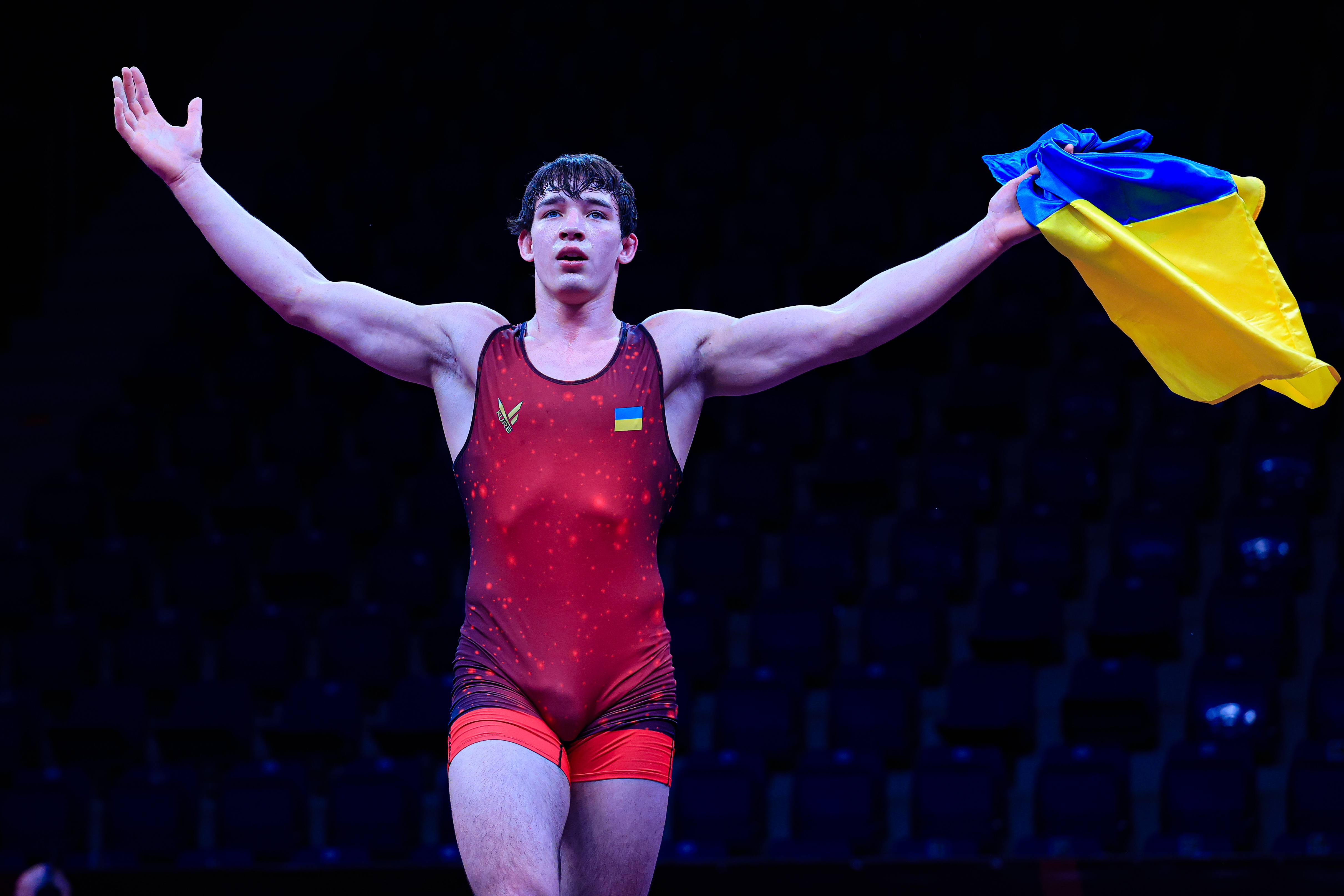 Yehor YAKUSHENKO (UKR) will be chasing his third U20 world title in Greco-Roman 97kg. (Photo: United World Wrestling / Kostadin Andonov)
Greco-Roman
55kg
Edgar PETROSYAN (ARM)
Emin JAVADLI (AZE)
Yuri LANDIM (BRA)
Kaloyan IVANOV (BUL)
Jiale LI (CHN)
Dunia SIBOMANA (COD)
Jakub SEDLAK (CZE)
Nolan PISSOCHER (FRA)
Koba KARUMIDZE (GEO)
Lenny WOERNER (GER)
Vasileios PAPAGEORGIOU (GRE)
HARIOM (IND)
Armin SHAMSIPOUR (IRI)
Hiro SAKAMOTO (JPN)
Yerassyl MUSSAN (KAZ)
Nurmukhammed EGEMBERDIEV (KGZ)
Maxim SARMANOV (MDA)
Ilia KANDALIN (RUS)
Denizhan OGUN (TUR)
Denys KIRYK (UKR)
Ezekiel WITT (USA)
Khojiakbar KUCHKAROV (UZB)
60kg
Marat ATSHEMYAN (ARM)
Aykhan JAVADOV (AZE)
Rasim IBRAHIMAU (BLR)
Pedro DE SOUZA (BRA)
Zhivko HINKOV (BUL)
Augusto VARGAS (CHI)
Ziming DING (CHN)
Heritier MUAYA (COD)
Karim ELEMARY (EGY)
Magomed VARAEV (FRA)
Kakhaber GOGINASHVILI (GEO)
Ivan SEIBEL (GER)
Samarth MHAKAVE (IND)
Amirali HEYDARI (IRI)
Takuma NAKASHIMA (JPN)
Alpamys BOLATULY (KAZ)
Marlen ABDYSAMATOV (KGZ)
Alin CHITIC (MDA)
Zeus GONZALEZ (MEX)
Dragos DRAGA (ROU)
Ilia PANIUTIN (RUS)
Levin MEIER (SUI)
Nikolasz PALENYIK (SVK)
Furkan ODEN (TUR)
Nazarii BABINSKYI (UKR)
Manuel SALDATE (USA)
Dostonbek ORIPOV (UZB)
63kg
Aleks MARGARYAN (ARM)
Tural AHMADOV (AZE)
Zhaojian WANG (CHN)
Clisman CARRACEDO (ECU)
Matias ARPIAINEN (FIN)
Davit GABEDAVA (GEO)
Timur DEMIR (GER)
Marios KAPANTAIS (GRE)
Levente FIGE (HUN)
Aditya TATE (IND)
Ali GHARIBI (IRI)
Taiga HIBARINO (JPN)
Dias KERTAY (KAZ)
Sirozhidin NORMATOV (KGZ)
Haitham BARAHMAH (KSA)
Vlad DUMINICA (MDA)
Daniel GUEVARA (MEX)
Martin AAK (NOR)
Filip IWASZKO (POL)
Ionut MEREUTA (ROU)
Salim KAZMAKHOV (RUS)
Andrej VELISAVLJEV (SRB)
Balint VARGA (SVK)
Omer ALTAS (TUR)
Maksut SULTANOV (UKR)
Nicholas SORROW (USA)
Kuvonchbek ISMOILOV (UZB)
67kg
Yurik MKHITARYAN (ARM)
Murad ALIYEV (AZE)
Mikhail MARKOUSKI (BLR)
Kristiyan MILENKOV (BUL)
Sebastian BUSTAMANTE (CHI)
Qiqiang ZHANG (CHN)
Mohamed ABDELREHIM (EGY)
Erekle TAVBERIDZE (GEO)
Sebastian WAGNER (GER)
Petro ZHYTOVOZ (HUN)
ROVIND (IND)
Iliya ALIKHANI (IRI)
Shuya MIURA (JPN)
Kazybek KALMAGAMBETOV (KAZ)
Akim APILOV (KGZ)
Byeonggi SEO (KOR)
Maxim DAMASCHIN (MDA)
Ilias LAAOUINA (NED)
Tamaterai HERVE (PYF)
Iosif ZLOTAR (ROU)
Amir SOVMIZ (RUS)
Roland CSICSO (SVK)
Haci ALTAN (TUR)
Denys KOVSHUN (UKR)
Amryn NUTTER (USA)
Ogabek MUKIMOV (UZB)
72kg
Gor KHACHATRYAN (ARM)
Kamran RAJABLI (AZE)
Nikola COLES (CAN)
Xin CHEN (CHN)
Jure RAJKOVIC (CRO)
Bruno HANZEL (CZE)
Mohamed IBRAHIM (EGY)
Andreas VAELJA (EST)
Nikolozi KARUMIDZE (GEO)
Artur GOTTFRIED (GER)
Arionas KOLITSOPOULOS (GRE)
Barna TOPLAK (HUN)
VINIT (IND)
Ahmadreza MOHAMADIAN (IRI)
Timur NADORGIN (ISR)
Kento NOMURA (JPN)
Marlan BAKAYEV (KAZ)
Yrysbek KHAMDAMOV (KGZ)
Ignat MEICO (MDA)
Jorge GOMEZ (MEX)
Mingiian GORIAEV (RUS)
Djordje HIRCL (SRB)
Salih YAZICI (TUR)
Dmytro DEMIANOVSKYI (UKR)
Eligio ESGUERRA (USA)
Behruzbek VALIEV (UZB)
77kg
Samvel TERTERYAN (ARM)
Lars MATT (AUT)
Javidan NAHMATOV (AZE)
Uladzimir NEHODA (BLR)
Miguel XAVIER (BRA)
Hristo VALENTINOV (BUL)
Zheying SONG (CHN)
Harryson NSIAMAZA (COD)
Luka KAJANNE (FIN)
Giorgi GOGELASHVILI (GEO)
Adamantios PAPADATOS (GRE)
Zalan TOPLAK (HUN)
Dheeraj MALIK (IND)
Amir SAEIDI NAVA (IRI)
Daichi TSUTSUMI (JPN)
Yerkebulan ANAPIYA (KAZ)
Elkhan CHOENBEKOV (KGZ)
Andrei CERNOUS (MDA)
Noe WOLSKI (POL)
Nazar BERKOVSKII (RUS)
Zalan PEK (SRB)
Ruben STRAAKEVED (SWE)
Alkan AKAR (TUR)
Nestor BARAN (UKR)
Leister BOWLING (USA)
Ogabek ASKARALIEV (UZB)
82kg
Vahe HOVHANNISYAN (ARM)
Elmin ALIYEV (AZE)
Kiryl VALEUSKI (BLR)
Martin SHISHEKOV (BUL)
Jordy NGATSE (COD)
Miguel VEGA SALAZAR (COL)
Petr ZAK (CZE)
Mohamed SHAABAN (EGY)
Severi MAEENPAEAE (FIN)
Luka PIPIA (GEO)
Vasileios SEMERTZIDIS (GRE)
Szabolcs SZINAY (HUN)
PRINCE (IND)
Alireza MOHAMMAD HOSSEINI (IRI)
Rondo KODAMA (JPN)
Nurdaulet RAKHMAN (KAZ)
Nurislam OSKONBAEV (KGZ)
Heder SALDANA (MEX)
Kane ROSARIO (PUR)
Ramazan NEKHAI (RUS)
Dominik HERVAI (SVK)
Ismail BEREKET (TUR)
Kyrylo UHRIK (UKR)
Arvin KHOSRAVY (USA)
Bekmurod RUSTAMOV (UZB)
87kg
Iurik PETROSIAN (ARM)
Paul MAIER (AUT)
Orkhan HAJIYEV (AZE)
Danil SKLIZKOU (BLR)
Valentin VALENTINOV (BUL)
Qiangle WANG (CHN)
Josef CERNY (CZE)
Marcus UHTJAERV (EST)
Luka KOCHALIDZE (GEO)
Anton BUCHHOLZ (GER)
Eleftherios PAPPAS (GRE)
Zalan VARGA (HUN)
AKHIL (IND)
Amirhossein NEMATZADEH (IRI)
Itzhak NEMSADZE (ISR)
Taizo YOSHIDA (JPN)
Alikhan TAGAYEV (KAZ)
Mirsaid IUNUSOV (KGZ)
Tigran MANUKYAN (LTU)
Marius STIHARU (MDA)
Gabriel STAN (ROU)
Manvel ARUTIUNIAN (RUS)
Abdulvahab KALAFAT (TUR)
Vladyslav SOLODCHUK (UKR)
Aidan SQUIER (USA)
97kg
Erik TER MATEVOSYAN (ARM)
Rihad IBRAHIMLI (AZE)
Xinyu LIU (CHN)
Andrej RODIN (CRO)
Farag AHMED (EGY)
Pauli PERKIOE (FIN)
Arman MKRTCHYAN (GEO)
Dimitrios PAPPAS (GRE)
Vendel VITAI (HUN)
Akshay RANA (IND)
Amirsam MOHAMMADI (IRI)
Ryosei KATAMATSU (JPN)
Maxim UKRAINTSEV (KAZ)
Asankadyr ZAIIRBEKOV (KGZ)
Jaehyuk LEE (KOR)
Dorian TREJO OLGUIN (MEX)
Yassine BEN LABED (POL)
Ilia KOMAROV (RUS)
Emir Omer BOZBAG (TUR)
Yehor YAKUSHENKO (UKR)
Cittadino TUTTLE (USA)
Fakhrikamol KOMILJONOV (UZB)
130kg
Seyran KIRAKOSYAN (ARM)
Museyi HUSEYN (AZE)
Mihail KRALEV (BUL)
Chengmao CUI (CHN)
Karel CECH (CZE)
Essam HUSSEIN (EGY)
Tomas RUSI (FIN)
Yonis LAADILI (FRA)
Saba PURTSELADZE (GEO)
Koppany LASZLO (HUN)
Piyush KUMAR (IND)
Amirhossein ABDEVALI (IRI)
Kosei MIYAKE (JPN)
Bakhtiyar KAZIYEV (KAZ)
Alisher OSKONBAEV (KGZ)
Omer AMIROGLU (KSA)
Ali ILIASOV (RUS)
Cemal BAKIR (TUR)
Ivan YANKOVSKYI (UKR)
Trayvn BOGER (USA)
Javokhir SHODIYAROV (UZB)
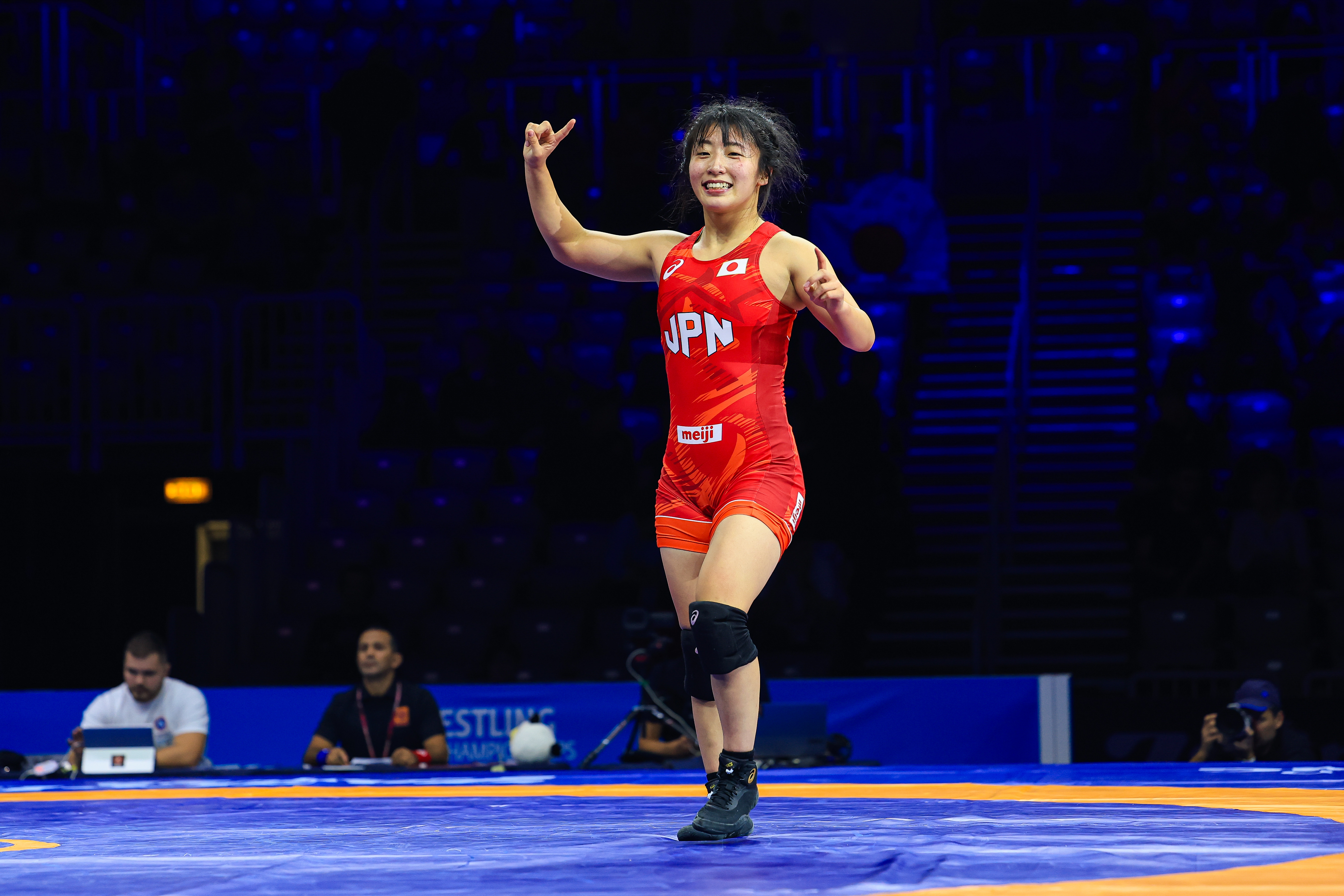 Sakura ONISHI (JPN) is a two-time U20 world champion. (Photo: United World Wrestling / Kadir Caliskan)
Women's Wrestling
50kg
Serineh CRANE (ARM)
Sviatlana KATENKA (BLR)
Victoria STEFANOV (CAN)
Yuting YUAN (CHN)
Rita RANTONEN (FIN)
Josephine WRENSCH (GER)
Maria GKIKA (GRE)
PARVEEN (IND)
Yuu KATSUME (JPN)
Medina KUANYSHBEK (KAZ)
Akak MAMBETSADYKOVA (KGZ)
Yerin CHOI (KOR)
Olivia VAN KLEUNEN (NED)
Karolina ZIEN (POL)
Leticia OLIVEIRA (POR)
Heklanys RIVERA (PUR)
Diana VOICULESCU (ROU)
Margarita IARYGINA (RUS)
Sabina PIPOVA (SVK)
Wan Yi HUANG (TPE)
Nil AKTAS (TUR)
Yelyzaveta KULAKIVSKA (UKR)
Nilufar NURMUKHAMMADOVA (UZB)
53kg
Esra MAMMADLI (AZE)
Aliaksandra VISTSIAK (BLR)
Evily BERNARDINO (BRA)
Kaura COLES (CAN)
Yuxuan LI (CHN)
Fiona GASSER (GER)
Szonja NEMETH (HUN)
MUSKAN (IND)
Mei KOIWA (JPN)
Dinara DAUYLKYZY (KAZ)
Aziza KELDIBEKOVA (KGZ)
Ilona VALCHUK (POL)
Aneishka SANTOS (PUR)
Electra GARAIACU (ROU)
Ekaterina CHIKANOVA (RUS)
Remziye KARADAG (TUR)
Anastasiia POLSKA (UKR)
Taylor WHITING (USA)
Sakibjamal ESBOSYNOVA (UZB)
Alexa ALVAREZ (VEN)
55kg
Valeryia MIKITSICH (BLR)
Nataliya BOYADZHIEVA (BUL)
Elizabeth CHAPMAN (CAN)
Meilin ZHOU (CHN)
Lisette BOETTKER (EST)
Sara RANTONEN (FIN)
Hansika LAMBA (IND)
Angela CRAPIO (ITA)
Nana KOZUKA (JPN)
Shodiyona DILMURATOVA (KAZ)
Elmira KARABALAEVA (KGZ)
Amelia TOMALA (POL)
Ashley DIAZ (PUR)
Olesia MALAKHOVA (RUS)
Milica PEROVIC (SRB)
Anja EPP (SUI)
Elif ATAKAN (TUR)
Mariia YEFREMOVA (UKR)
Everest LEYDECKER (USA)
Munisa MINGYASHAROVA (UZB)
57kg
Olga POPOVA (BUL)
Agnia KRAKOVSKA (CAN)
Xinyu WANG (CHN)
Nini TSITSVIDZE (GEO)
Ioanna XENIDOU (GRE)
Liliana KAPUVARI (HUN)
Tanvi MAGDUM (IND)
Konami ONO (JPN)
Anna STRATAN (KAZ)
Csilla VAN OS (NED)
Julia GIBALSKA (POL)
Tilly KAKUK (PUR)
Dolzhon TSYNGUEVA (RUS)
Ivana GAJIC (SRB)
Lara GORCS (SVK)
Yu Hsuan CHENG (TPE)
Chahd JELJELI (TUN)
Su SOYALP (TUR)
Diana KOTVYTSKA (UKR)
Karlee BROOKS (USA)
Ulbiyke KARLYBAEVA (UZB)
59kg
Hiunai HURBANOVA (AZE)
Varvara ALISEYENKA (BLR)
Kai Nessa PARE (CAN)
Jiayi HUANG (CHN)
Rosa MOLINA (ESP)
Lisa SHAVADZE (GEO)
Eda BALAZS (HUN)
KOMAL (IND)
Sae NOGUCHI (JPN)
Aizhan MURATBAY (KAZ)
Madalina PRISACARI (MDA)
Gundegmaa ENKHBAATAR (MGL)
Helena STELMASZCZYK (POL)
Jania DUNIGAN (PUR)
Alina BAROEVA (RUS)
Karin SAMUELSSON (SWE)
Chaima DAHI (TUN)
Elif Sude ELMALI (TUR)
Oleksandra MALKOVA (UKR)
Caley GRABER (USA)
62kg
Ruzanna MAMMADOVA (AZE)
Evilly JESUS COSTA (BRA)
Andrea NISEVA (BUL)
Taylor ENGELEN (CAN)
Yifan ZHU (CHN)
Miranda KAPANADZE (GEO)
Leonie STEIGERT (GER)
Barbara BAGER (HUN)
SAVITA (IND)
Sakura ONISHI (JPN)
Zhaidar MUKAT (KAZ)
Aizhamal TALANTBEK KYZY (KGZ)
Gabriela RUDOI (MDA)
Ekaterina RADYSHEVA (RUS)
Viktoria FOELDESIOVA (SVK)
Yen Yi LI (TPE)
Ozdenur OZMEZ (TUR)
Albina KLIEFAS (UKR)
Bella WILLIAMS (USA)
Feruza KAIRATDINOVA (UZB)
65kg
Khushleen JHALLI (CAN)
Zhengwei MA (CHN)
Anna MAZGAJOVA (CZE)
Chandni BANKS (GBR)
Annalena POHL (GER)
Vasiliki KARAVANOU (GRE)
Viktoria PUPP (HUN)
YASHITA (IND)
Miyu OGASHI (JPN)
Zhangyl BEKEN (KAZ)
Asel ZHAPAROVA (KGZ)
Mirijam HANSEN (NOR)
Margarita SALNAZARIAN (RUS)
Saga SVENSSON (SWE)
Beyza Nur AKKUS (TUR)
Iryna BORYSIUK (UKR)
Riley HANRAHAN (USA)
Mukhayyo NARZILLOEVA (UZB)
68kg
Rayssa DE SOUZA (BRA)
Mackenzie CAYER (CAN)
Chenling SONG (CHN)
Mansi LATHER (IND)
Shirin TAKEMOTO (JPN)
Uldana TILEUKHAN (KAZ)
Alexandra MOISEI (MDA)
Leah SAMSONSEN (NOR)
Evangeliia BEREZHNOVA (RUS)
Michaela SEBOEKOVA (SVK)
Elif Sevval KURT (TUR)
Oleksandra RYBAK (UKR)
Taina FERNANDEZ (USA)
Mukhayyo RAKHIMJONOVA (UZB)
72kg
Zahra KARIMZADA (AZE)
Wenjin QIU (CHN)
Petra MUELLER (HUN)
Tanu SHARMA (IND)
Chisato YOSHIDA (JPN)
Meiramgul MAKSOT (KAZ)
Greta TVERSKYTE (LTU)
Liliana KAZMINA (RUS)
Ilayda CIN (TUR)
Daryna ZAISHLA (UKR)
Gretchen DONALLY (USA)
76kg
Sophia PEREZ (BRA)
Jingru SUN (CHN)
KAJAL (IND)
Miyu TAKAYAMA (JPN)
Zeinep ELAMAS (KAZ)
Dominika POCHOWSKA (POL)
Paola RODRIGUEZ (PUR)
Diana TITOVA (RUS)
Evelin UJHELJI (SRB)
Elmira YASIN (TUR)
Nadiia SOKOLOVSKA (UKR)
Piper FOWLER (USA)
Sevinchoy POLVONOVA (UZB)



Share your thoughts.
Comments