

UWW educational activities prior to the Southeast Asian Games
Wednesday, May 11, 2022 - 23:58 By United World Wrestling Press

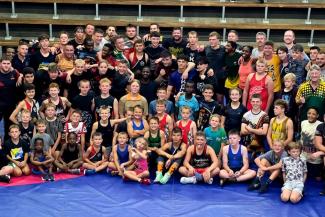
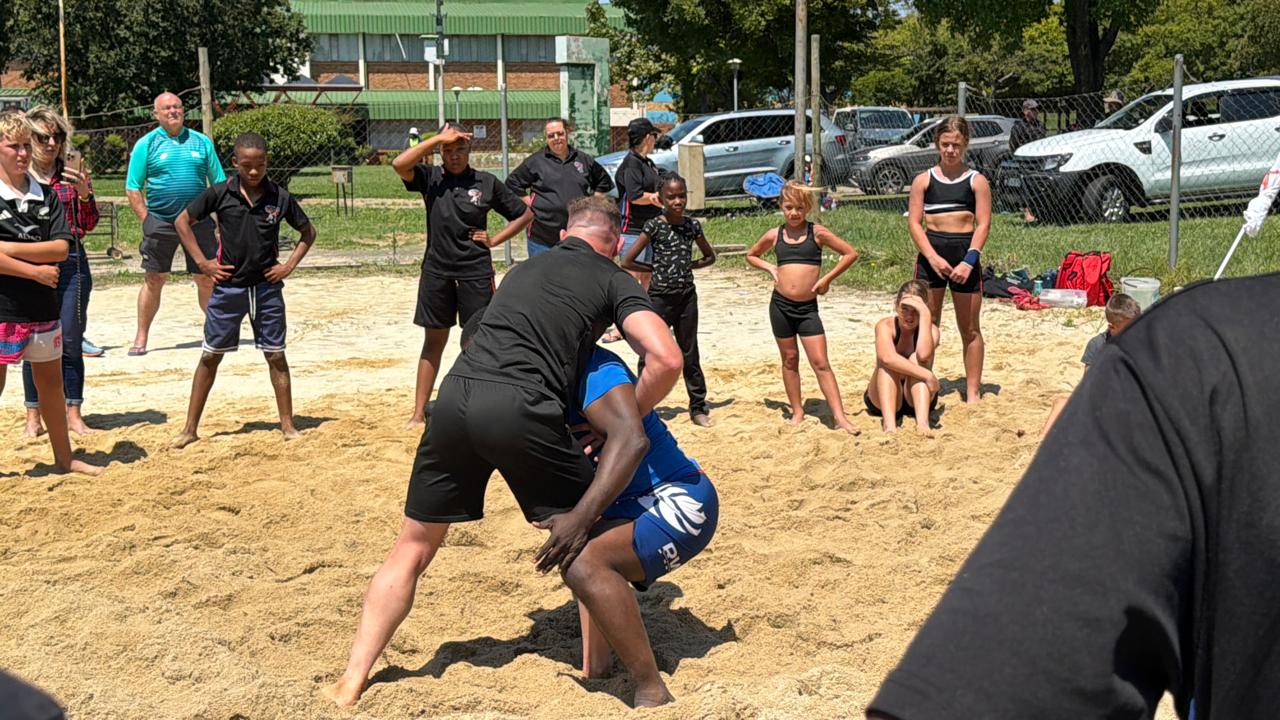
HANOI, Vietnam (May 11) -- With the support of the Olympic Solidarity and the Vietnam National Olympic Committee, technical courses for coaches and referees were organized by United World Wrestling for the Southeast Asian countries prior to the South East Asian Games from May 7 to 14 in Hanoi, Vietnam.
A total of 55 coaches and referees from Cambodia, Indonesia, Singapore, Thailand and Vietnam attended the training. Out of the 30 referees that attended the training course, 18 referees training will officiate at the SEA Games and obtain international refereeing licenses.
An anti-doping workshop was also delivered to the participating coaches by the Vietnam Anti-Doping & Sports Medicine Center on May 10. General anti-doping rules, rights & responsibilities of athletes & coaches, testing procedures, Therapeutic Use Exemptions and clean sports values and ethics were included in this workshop.
 The Vietnam Anti-Doping & Sports Medicine Center present their course on anti-doping rules and ethics to 25 coaches.
"This is a great start for Southeast Asian countries after such a long time of no activity and sporting opportunities in the last two years," Deqa NIAMKEY, UWW Development Director, said. "The SEA Games allowed our smaller national federations to make a strong appearance on the international stage, and the training courses UWW organized prior to the Games help ensure that the wrestling competitions are conducted in a safe and fair manner.
"UWW thrives to provide the best possible training and education opportunities for the development of coaches and referees worldwide."
As part of its commitment to drive global wrestling development and further strengthen and enhance the communication with member federations, UWW has announced a new Regional Development Program to help support wrestling development activities across regions at beginning of the year.
This program contributes to a coherent development strategy and offers hands-on local support and assistance to benefit wrestling growth in countries that are relatively less developed in the sport of wrestling.
Through this flagship development program, UWW is continuing to provide tailored support to its member federations and making a real and lasting impact in driving the development of wrestling around the world.
The training courses prior to the SEA Games set another important milestone for UWW and marked a start of a series of wrestling development programs and projects in the region. Positive feedback was received from the participating nations, and many countries have already expressed their interest in hosting the 2023 UWW Southeast Asia Development Program.
"The training courses for coaches and referees are extremely important and beneficial for the development of wrestling in Vietnam and the whole Southeast Asia region," Manh Van TRAN, the Secretary-General of the Vietnam Olympic Committee, said.
"We have supported a coaching course via Olympic Solidarity back in 2017, and we hope to continue our successful collocation with UWW to grow wrestling in Vietnam," he said.

"I’m a young coach from Indonesia and I am very happy that UWW offered this chance to further enhance my knowledge of wrestling in both coaching and refereeing," Purnama SURYA, a coach from Indoesia, said. "I attended both training courses, and had great experience learning from renowned international experts in the field. A big thank you to UWW."
Share your thoughts.
Comments