

Wrestling Introduces New Weight Categories, Gender Equity, and Ranking Series
Sunday, December 29, 2019 - 14:09 By Eric Olanowski

CORSIER-SUR -VEVEY, Switzerland (December 29) -- The growth of international wrestling since 2010 has required a number of changes, but few have seemed to impact as many wrestlers and fans as the addition of weight categories, expansion of women's opportunities, and the introduction of a yearlong competition calendar, knowns as the Ranking Series.
Heading into the 2017 World Championships in Paris, Wrestling enjoyed eight weight categories in each style, with six aimed at Olympic participation. During a bureau meeting at the event, it was decided to increase that total allotment to 10 weight categories and slightly shift a number of weight categories across the styles to better match anticipated participation. The additional weights also prompted a two-day format with same-day weigh-ins.
"These improvements made are incredible for the sport of wrestling," UWW President Nenad Lalović said at the time. "Our sport has never been stronger, and I believe that with the new categories and the improved competition format we will see continued growth in participation, support and viewership. I also believe these new rules will also encourage healthier wrestlers."
Another significant shift in the sport came with the launch of the Ranking Series in 2018, which uses four previously independent events, plus the world and continental championships to determine a points champion for the season. The rankings also determine the top seeds at the world championships and Olympic Games.
“The Ranking Series makes it easier for fans, athletes, and coaches to understand the impact of each tournament and match," said Lalovic.
The Ranking Series was tweaked heading into the 2019 season with more weight placed on the number of participants to help determine the ultimate allocation of points per event. The shift proved prescient as participation in the events more than doubled in 2019.
As of 2019, the points earned from the World Championships, Continental Championships and Ranking Series events are as follows:

Wrestling’s growth hasn’t been contained to competition formats. In an effort to ensure better governance and compliance with IOC norms, wrestling has reached out to female leaders around the world to ensure their participation in the sport’s growth. Wrestling has utilized national federations, IOC-backed initiatives, and created an annual Women in Wrestling Global Forum to ensure increased outreach and education of women in the wrestling community.
“The past few years has seen wrestling provide more opportunities to female leaders and competitors than ever before,” said UWW Development Director Deqa Niamkey. “I’m pleased with our growth and looking forward to the next ten years!”
In addition to professional opportunities for women in wrestling, there has also been a much-increased focus on their mat achievements. From photos to stories to documentaries the women of wrestling are covered equally to men and have enjoyed several breakout moments, including many listed in the Top Ten Stories of the Decade.
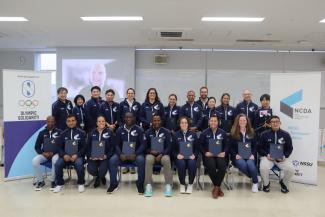
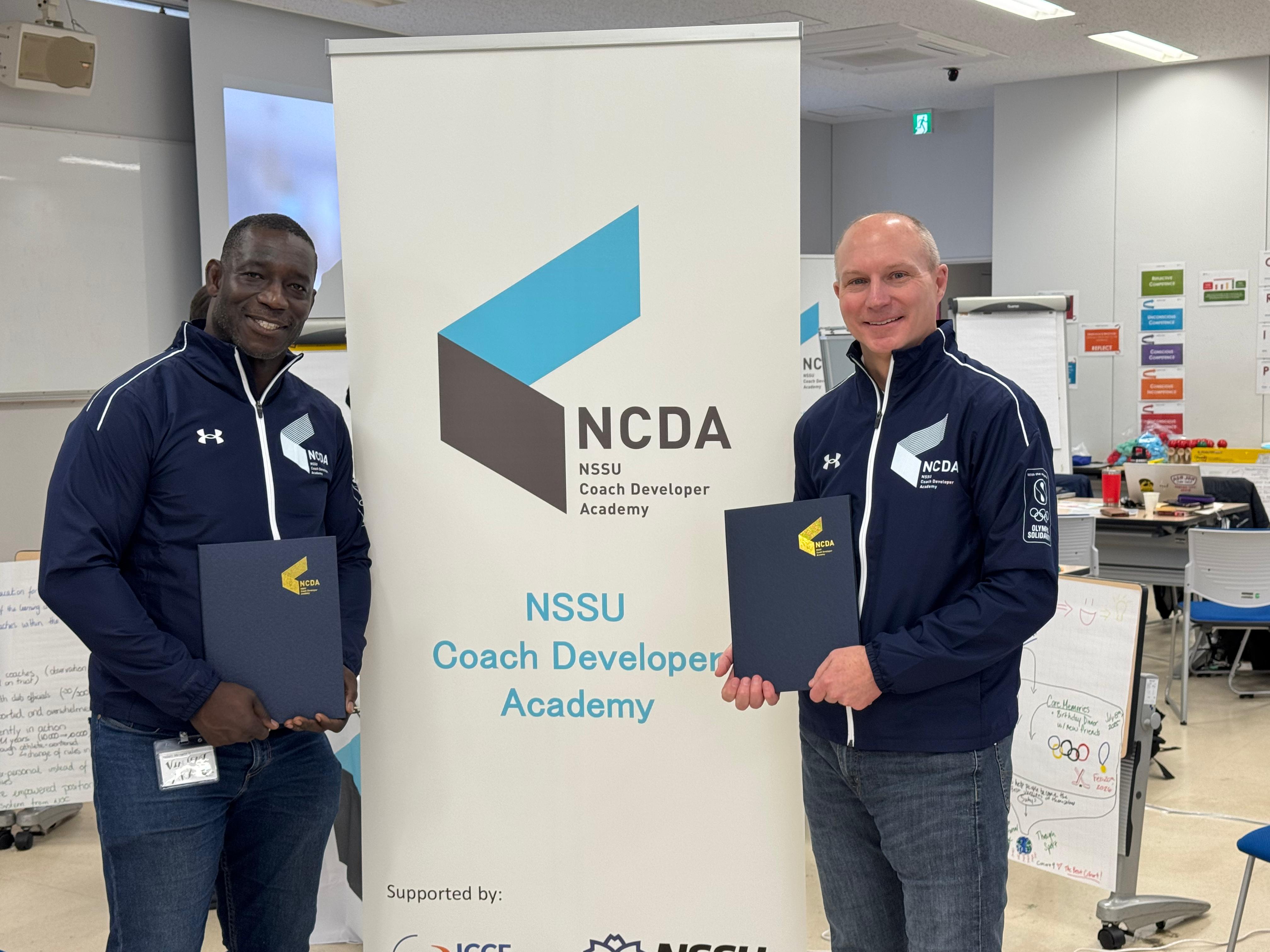 UWW Educators Vincent AKA, left, and Zach ERRETT.
Share your thoughts.
Comments