#Grappling

World Combat Games Qualifiers: 12 Grappling Gi quotas confimed

By Vinay Siwach

TASHKENT, Uzbekistan (May 1) -- On the second day of the World Combat Games Qualifiers in Tashkent, Uzbekistan, 12 more quotas were awarded, following an entertaining day one.

Sixteen Grappling quotas were earned on Sunday, while Monday saw 12 Grappling Gi athletes book their tickets for the World Combat Games to be held in Riyadh, Saudi Arabia in October 2023.

The qualification process for the World Combat Games began in 2022 in Pontevedra, Spain, which also offered 40 quotas. The four highest-placed grapplers in each of the senior weight categories qualified for the World Combat Games in Saudi Arabia, scheduled for October 2023.

In Tashkent, the process is the same, and the first four highest-placed athletes in each weight category will qualify for one quota place for their national federation. However, if more than one athlete from the same country is ranked in the first four highest places in a weight category, only one quota will be allocated to the country. The remaining quota(s) will be reallocated in the same weight category to the national federation of the next best-ranked athlete who has not yet qualified.

With the deadline fast approaching, the national federations must confirm the usage of the quotas won by their grapplers to United World Wrestling at the earliest.

Men's Grappling Gi

71kg
Alessio SACCHETTI (ITA)
Feruzbek UROKOV (UZB)
Sandor LAKATOS (HUN)
Fierre AFAN (PHI)

100kg
Eldar RAFIGAEV (MDA)
Evgenii SLESARENKO (KGZ)
Azizbek SHARIPOV (UZB)
Guglielmo CECCA (ITA)

Women's Grappling Gi

53kg
Zhenishgul ABDYRAKHMAN KYZY (KGZ)

64kg
Zilolakhon MUHAMMADOVA (UZB)

71kg
Shynar UZBEKOVA (KAZ)
Bubusaira ABDILMANAP KYZY (KGZ)
#development

Afghanistan Coaches Build Skills at UWW Level 1 Coaching Course

By United World Wrestling Press

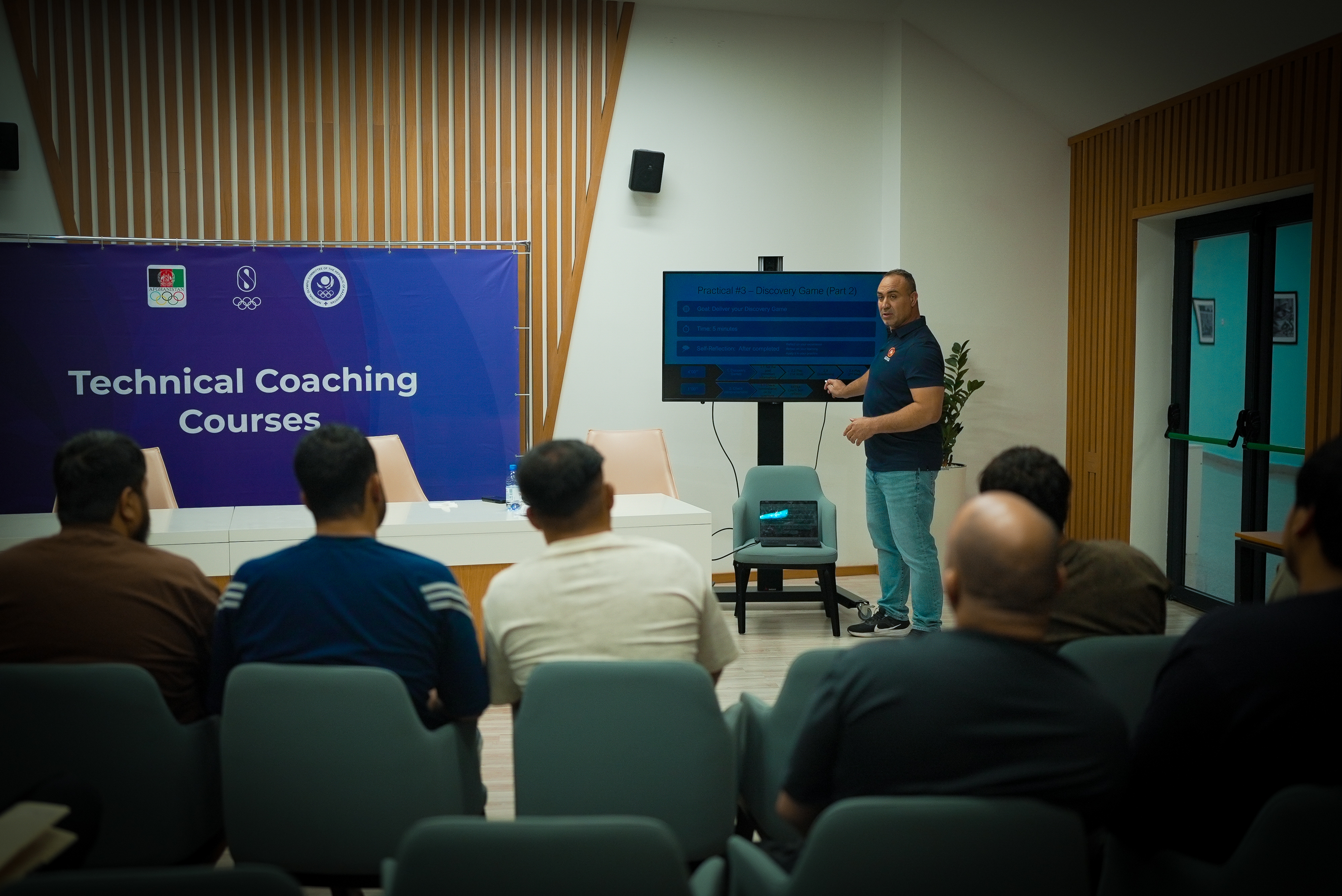
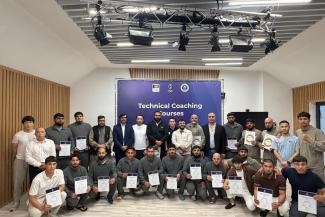
ALMATY, Kazakhstan (June 30) -- Eleven coaches from Afghanistan were among 21 participants who completed a United World Wrestling Level 1 Coaching Course in Almaty, strengthening the country's coaching capacity while building closer ties with neighboring Kazakhstan.

Organized through a partnership between Olympic Solidarity, the Kazakhstan National Olympic Committee, the Afghanistan National Olympic Committee, the Kazakhstan Wrestling Federation, and United World Wrestling, the course focused on developing internationally recognized coaching competencies while fostering collaboration between the two wrestling nations.

Apart from the 11 coaches from Afghanistan, coaches from Kazakhstan also joined for a comprehensive program. The curriculum covered coaching responsibilities, skill development using UWW's Key Factors teaching methodology, athlete-centered learning through discovery games, coaching self-reflection, risk management, and practical coaching assessment.

Afghanistan

UWW Educator and former world champion Mohammed ABDELFATTAH praised the participants for their commitment throughout the program.

"I was very impressed with the overall level of the participants," Abdelfattah said. "The coaches were highly motivated, actively participated in every session, and continuously asked thoughtful questions throughout the course."

Abdelfattah was particularly encouraged by the technical level demonstrated by the Afghan coaches.

"The Afghan coaches demonstrated a strong technical understanding of wrestling." he said. "After speaking with several participants, I learned that traditional wrestling is extremely popular in Afghanistan and shares many technical similarities with Olympic wrestling. This provides coaches with an excellent technical foundation for further development."

The practical sessions proved to be a particular highlight, with coaches working through technical demonstrations, problem-solving exercises, and athlete-centered coaching activities designed to strengthen both technical instruction and coaching methodology.

The Afghanistan Wrestling Federation views the course as an important step in its long-term development strategy. Dr. Yonus POPALZY, an Afghan NOC and Olympic Council of Asia member, was instrumental in the development, organization, and success of the course.

Participants highlighted the practical nature of the course and the opportunity to exchange ideas with coaches from different backgrounds.

"The course exceeded our expectations. The practical sessions and interactive teaching methods gave us new ideas that we can immediately apply in our daily coaching."