

Stadnik, Chasing Olympic Gold, Confirms Run for '24 Paris Games
Monday, January 10, 2022 - 20:15 By Eric Olanowski

CORSIER-SUR-VEVEY, Switzerland (January 10) – Mariya STADNIK (AZE) officially put an end to the rumors that she’s hanging up her wrestling shoes, as she told United World Wrestling she's committed to competing through the 2024 Paris Olympic Games.
There was a slew of retirement announcements following the Tokyo Olympics, and it was heavily speculated that the 33-year-old mother-of-two would call an end to her career after she won a bronze medal at the Tokyo Olympic Games – her fourth Olympic medal in as many tries. But the nine-time European champion (seven European Championships and two European Games) squashed the rumors, saying she still believes in her potential and has a burning passion for the sport.
“I think that as long as I have the desire to wrestle, I should fulfill all my potential,” Stadnik said. “I made this decision to continue wrestling as soon as I came back home [from Tokyo]. All my relatives and friends believe in me very much. My son wants me to go on wrestling because he says I am very strong.”
Stadnik, who has a combined ten Worlds and Olympic medals and only ten losses since she made her senior-level debut at the 2008 Golden Grand Prix in Baku, sits alongside Kaori ICHO (JPN) and Saori YOSHIDA (JPN) as the only women in the Games history to claim a quartet of Olympic medals.
If she reaches the podium in Paris, she’d become the first-ever wrestler – male or female – to win five Olympic medals in one style. Furthermore, if Stadnik wins that long-awaited Olympic gold, she’d become the oldest Olympic champion in women’s wrestling by a long shot.
Icho, who won her Rio Olympic title at 32-years-and-2-months-old, holds the current record. Stadnik will be 35-years-and-8-months-old during the ’24 Paris Games.
“I would really love to have five Olympic medals. Each medal is a part of my life story; it’s a part of my way. There are five Olympic Rings, so having five Olympic medals would make history," she said.
But Stadnik, who won a bronze in Beijing and silver in London and Rio, understands that to sustain greatness at her age, she has to listen to her body and can’t compete as often as she once did.
“Competing four or five tournaments a year is perfect for me,” Stadnik explained. “The only problem I might have before going to Paris is I don’t know how my body would react to training. I have some experience that I need to use in the right way in order to compensate for that energy I had when I was 20 years old.”
Owing to a similar reason, the 2019 world champion has limited her participation in tournaments in past. In 2019 and 2021, she participated only in two competitions each year, perhaps to keep her body healthy and reduce the burden of cutting weight before competitions. Although she didn’t say when she plans on lacing up her shoes next, Stadnik is expected to compete at the ’22 European Championships in Budapest, Hungary (March 28 – April 3).
Stadnik's Resume:
Olympic Games: ????
World Championships:??????
Euro Championships: ???????
European Games: ??


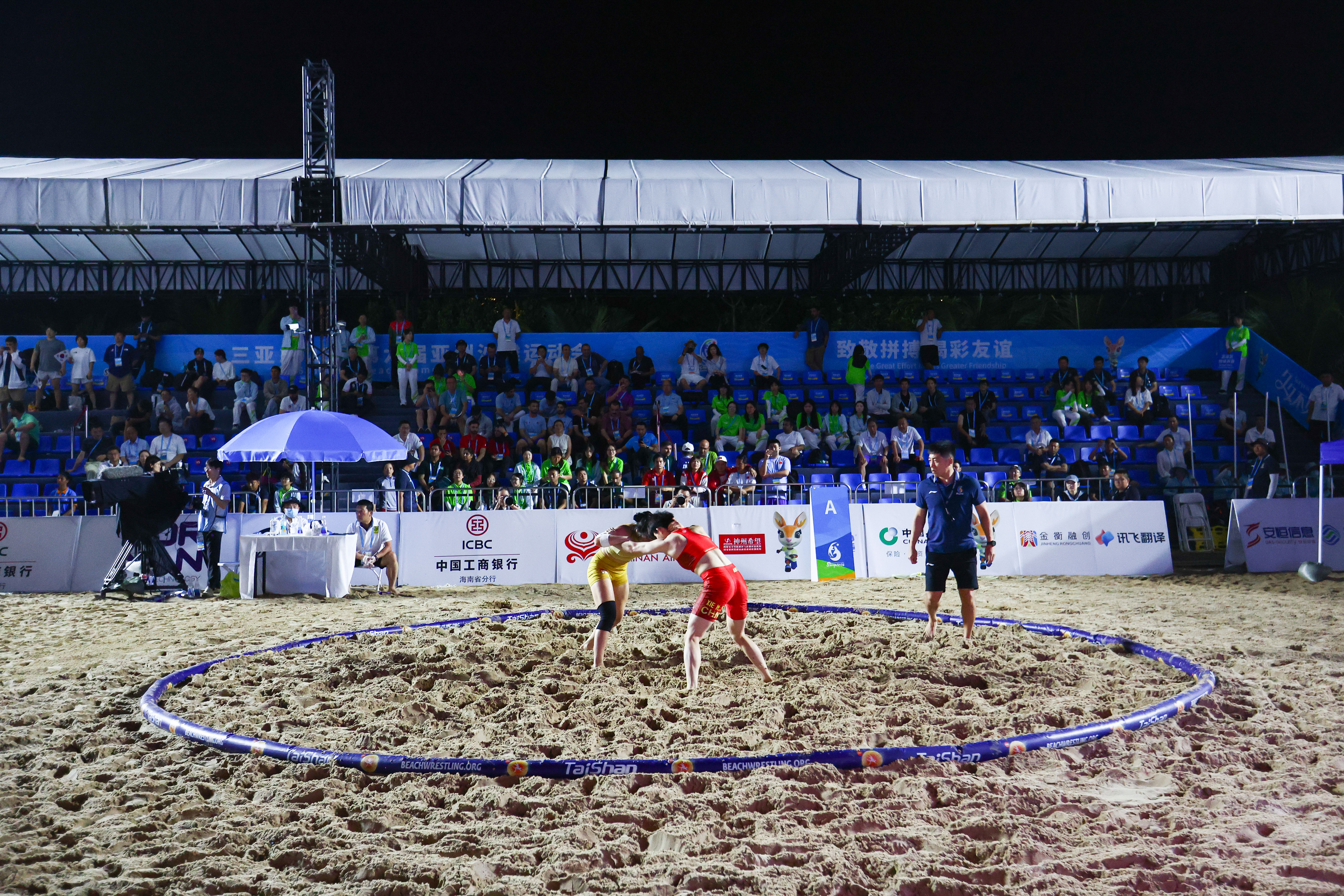 Beach Wrestling at the 6th Asian Beach Games in Sanya, China. (Photo: United World Wrestling / Jake Kirkman)
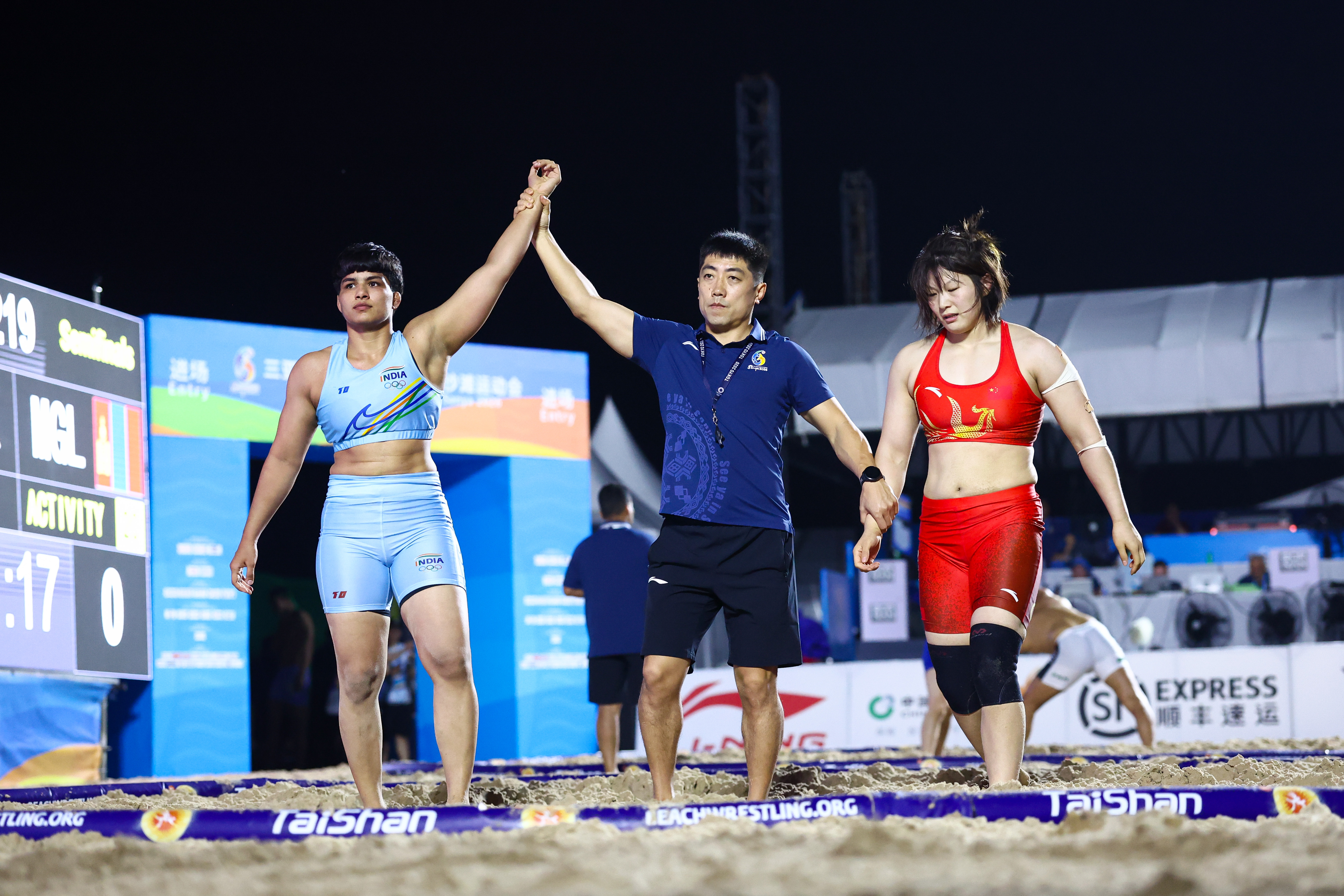 PRIYA (IND) defeated Wenji LI (CHN) in the +70kg semifinal. (Photo: United World Wrestling / Jake Kirkman)
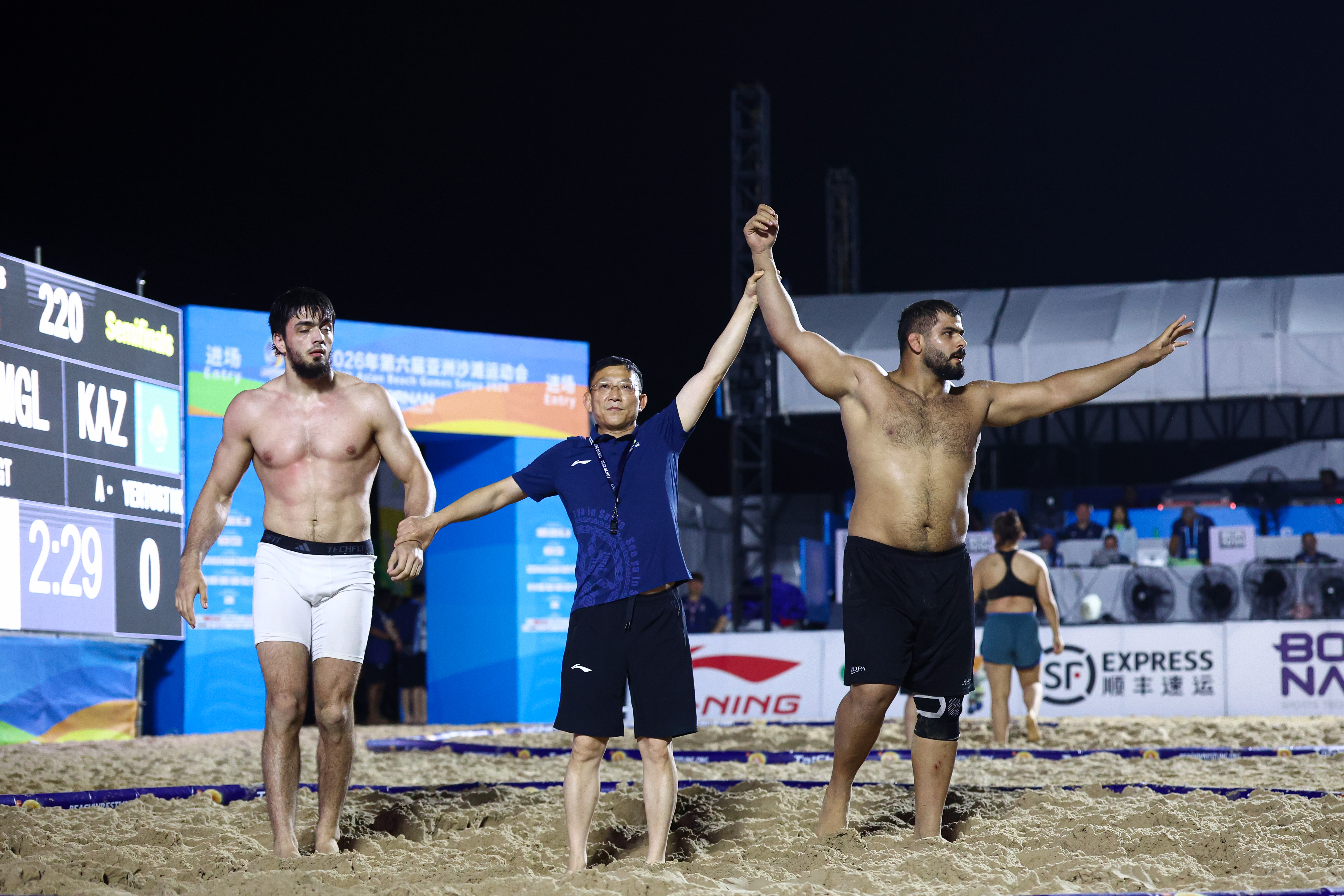 Seyedamirreza SAHRAEMAHALI (IRI) defeated world bronze medalist Shamil SHARIPOV (BRN) in the +90kg semifinal. (Photo: United World Wrestling / Jake Kirkman)
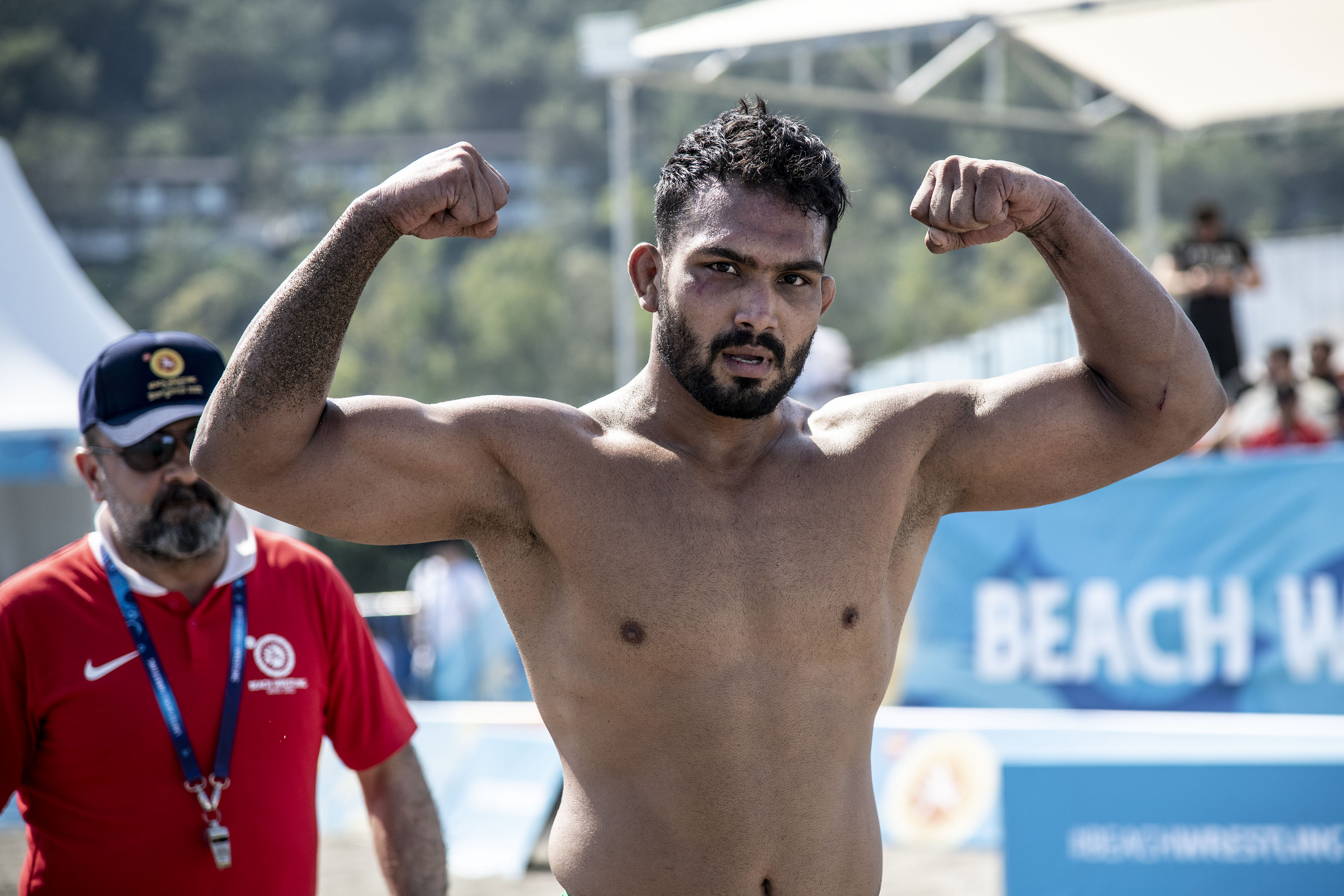 Muhammad INAM (PAK) reached the 90kg final. (Photo: United World Wrestling File)
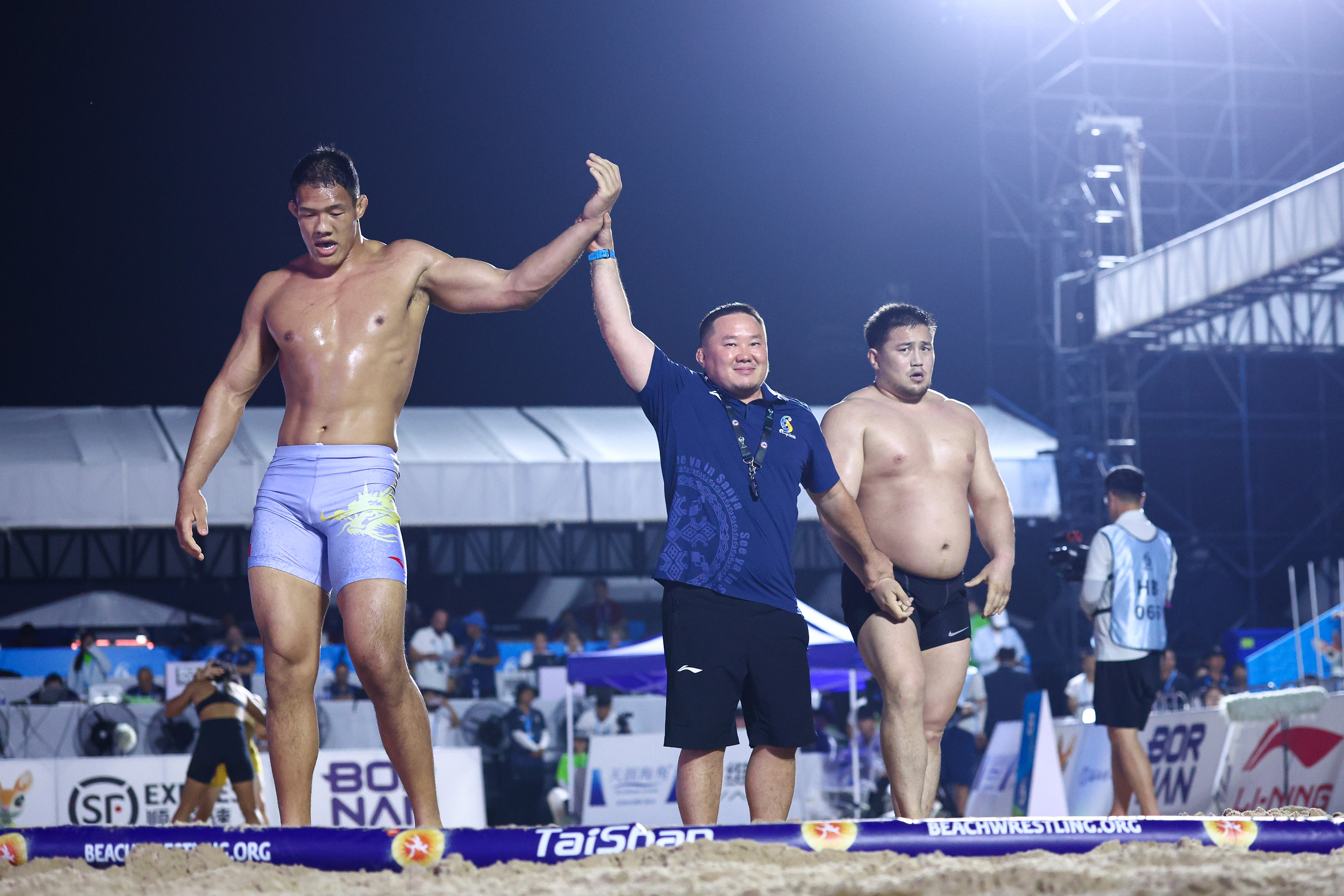 Da LU (CHN) reached the +90kg final at the 6th Asian Beach Games. (Photo: United World Wrestling / Jake Kirkman)
Share your thoughts.
Comments