FOUKA, TIPAZA, Algeria (May 15) -- A United World Wrestling Level 1: Introduction to Coaching and Safety coaching course was successfully organized by the Algerian Wrestling Federation, UWW and Olympic Solidarity.
The five-day course was organized at the National Teams Training and Preparation Center in Fouka, Tipaza from May 7 to 11 and it brought together wrestling coaches from across Algeria in an atmosphere marked by discipline, professionalism, and a shared commitment to developing wrestling at both national and continental levels.
The course was conducted by international UWW experts Vincent AKA and Ahmed KHEDHRI, who delivered theoretical and practical sessions focused on modern coaching methodology, athlete safety, technical development, and the core principles of international wrestling training standards.
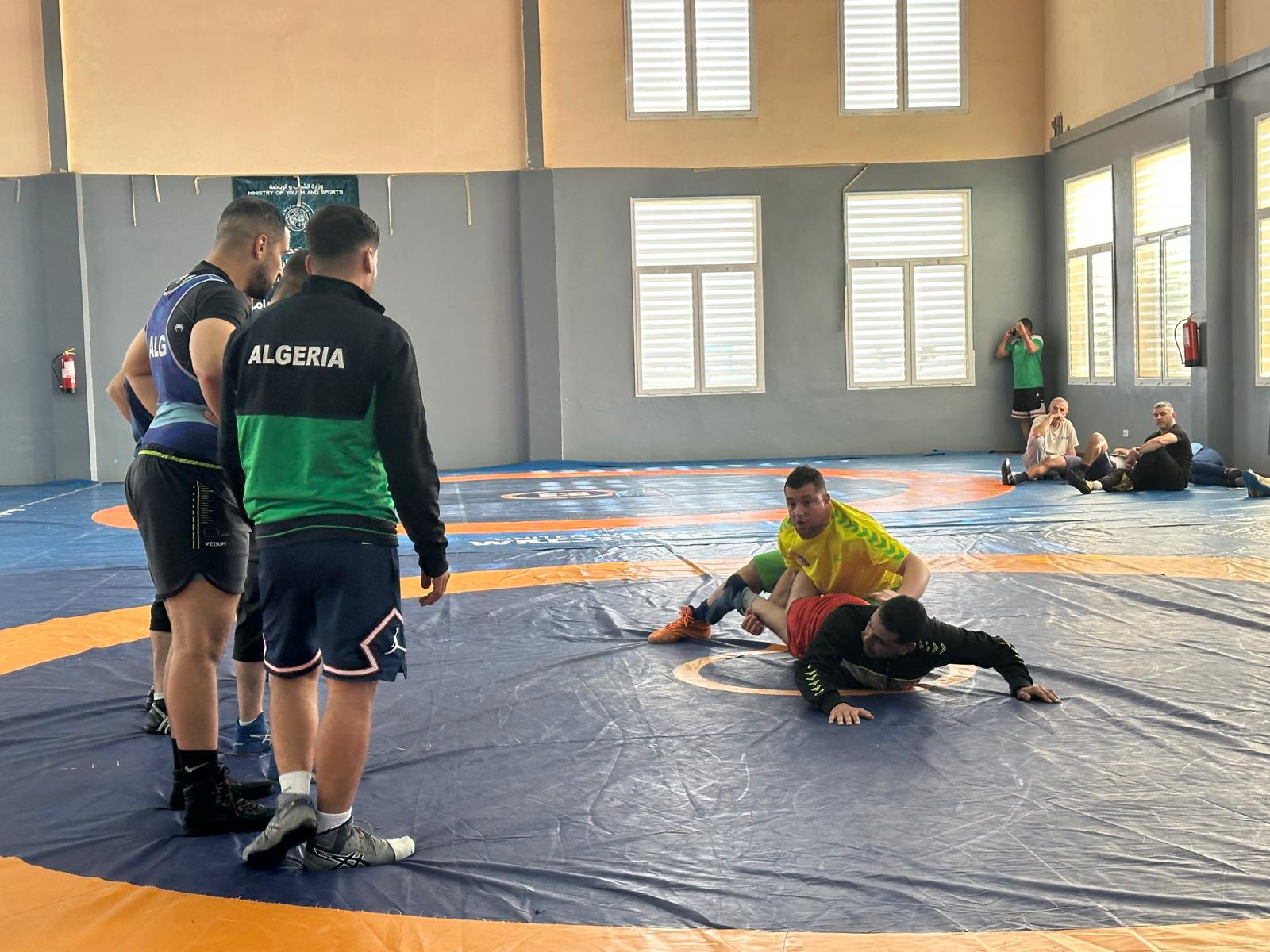
Throughout the course, participants demonstrated remarkable engagement, collaboration, and enthusiasm. Coaches exchanged experiences, strengthened their technical knowledge, and reinforced their collective ambition to contribute to the long-term growth of Algerian wrestling.
The closing ceremony, highlighted by the presentation of certificates to all participants, reflected the success of the program and the strong educational momentum currently shaping wrestling development in Algeria.
During the course, several participants expressed their gratitude and appreciation for the quality of the training and the spirit of unity created throughout the event.
"This training was a true source of inspiration for all of us. Thanks to the professionalism, pedagogy, and expertise shared during the course, we experienced an unforgettable educational journey," said Fodil BOURAS SIDAHEMED on behalf of the group “Les Guerriers.”
Another participant, AK DJAHID, praised the atmosphere among the coaches, emphasizing “solidarity, respect, professionalism, and exemplary behavior throughout the entire course.”
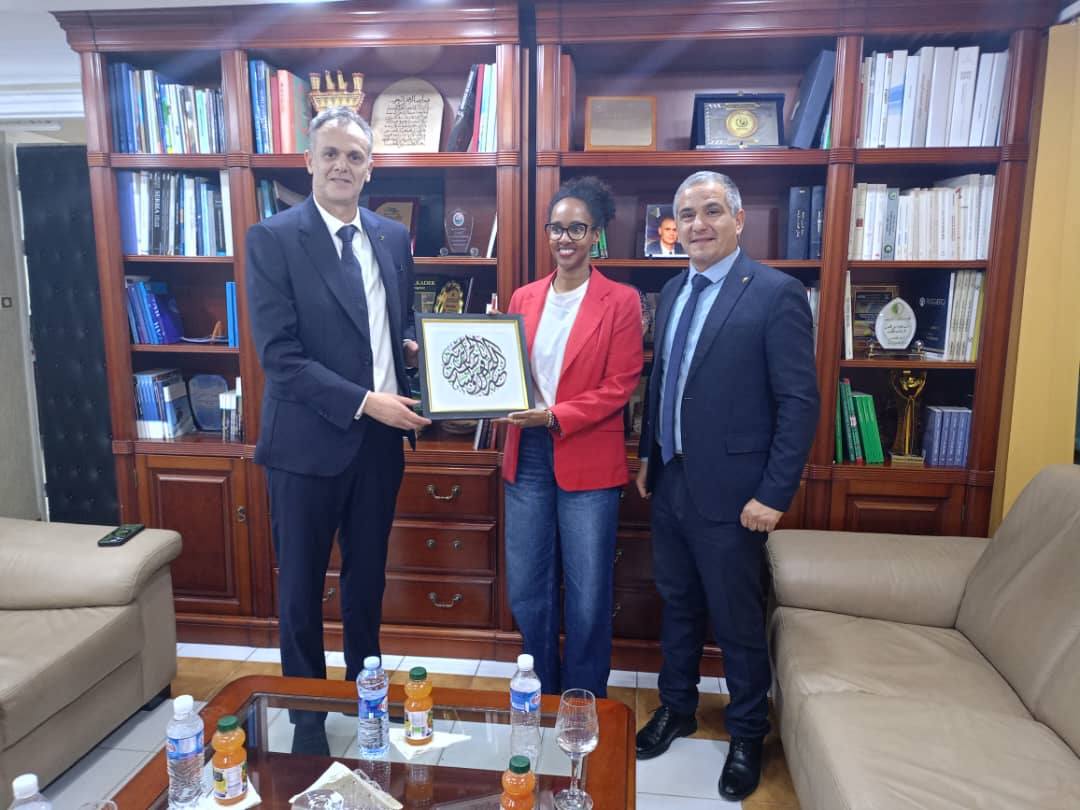
The event also coincided with the official visit of Development Director of UWW Deqa NIAMKEY, who visited several wrestling development sites in Algeria and met with national sports authorities.
During her visit, Niamkey highlighted the impressive progress achieved by the Algerian Wrestling Federation in recent years and reaffirmed UWW’s support for the federation’s ambitious long-term development strategy, particularly its investment in youth wrestling and grassroots programs.



Share your thoughts.
Comments