

Japan's Kaori Icho Become First-Ever Wrestler to Win Four Olympic Golds
Monday, December 30, 2019 - 14:30 By Ken Marantz

CORSIER-SUR-VEVEY, Switzerland (December 30) -- As the precious seconds ticked down, Kaori ICHO (JPN) was not to be denied. She was on the brink of making sporting history and earning a place among a pantheon of Olympic legends, and she didn't earn all of those previous gold medals by not fighting to the final second.
Somehow, someway, Icho managed to break the desperate hold that Valeria KOBLOVA (RUS) had on her leg and spun behind for a takedown in the final seconds, giving her a dramatic 3-2 victory in the women's 58kg final at the Rio 2016 Olympics.
She had done it. Icho became the first woman in Olympic history to win four gold medals in the same individual event in any sport. It put her in exclusive company with the only men to have achieved the feat: American athletes Al Oerter (discus, 1956-68) and Carl Lewis (long jump, 1984-96) and swimmer Michael Phelps (200m individual medley (2004-16).
"All the support I received up to now gave me the power to win this gold medal," Icho said. "I'm happiest with this gold medal."
Icho had won her first three Olympic golds at 63kg. When the number of women's weight divisions were expanded for Rio, she moved down to the newly set 58kg. That didn't mean she had it any easier. Earlier in the year, she was dealt a technical fall loss by Orkhon PUREVDORJ (MGL) at the Ivan Yarygin Grand Prix, ending a 189-match winning streak that spanned 13 years.
Although Koblova had lost to Icho in their only previous meeting, a 10-0 technical fall in the final at the 2014 World Championships, she was no easy opponent. The Russian was one of only three non-Japanese wrestlers to ever beat Saori YOSHIDA (JPN), having defeated her at the 2008 World Cup, and had knocked off Purevdorj en route to the final in Rio. She came out determined and ready for revenge in the Carioca Arena.
Icho gained the first point with Koblova on the activity clock, but the Russian took advantage of a rare opening to gain a single leg, fight out of a whizzer and get behind for a takedown and a 2-1 lead with :35 left in the first period. In the second period, Koblova remained on the offensive, getting deep with a double leg but Icho forced the situation into a stalemate.
With 30 seconds to go, Icho made a futile grab for a leg, and as she came back up, Koblova shot in to secure a leg hold herself. Racing against the clock, Icho grabbed an ankle and applied a crossface, and it became a matter of whether she could break the hold in time. Her leg slipped away with :06 left, and the referee flashed the 2 points that gave Icho the epoch-making victory.
After taking two years off from competition, Icho would return in 2018 to begin a quest to become the first five-time Olympic champion at Tokyo 2020. But that dream ended when Icho lost out to fellow Rio champion Risako KAWAI (JPN) for the spot at 57kg to this year's World Championships in Nur-Sultan, where Kawai's run to the gold medal clinched her place at Tokyo 2020.
Icho's bid officially ended when she did not enter this month's All-Japan Championships in either of the two weight classes -- 50kg and 68kg --- in which the Tokyo 2020 entries had not been decided in Nur-Sultan.
Throughout her career, Icho's accomplishments paralleled those of Yoshida, but because she was less outgoing of the two, she never gained the same national notoriety. Yoshida earned more world titles (13 to 10) than Icho (mainly because Icho often took time off after an Olympics), but Icho's four Olympic golds (to Yoshida's three) will forever put her in a class of her own.
Following her Rio triumph, Icho was awarded the prestigious People's Honor Award, given for achievements that inspire the nation, from the Japanese Prime Minister. That made her only the second wrestler to ever receive the honor. Yoshida had been honored after the London 2012 Olympics, where both of them won their third Olympic golds.

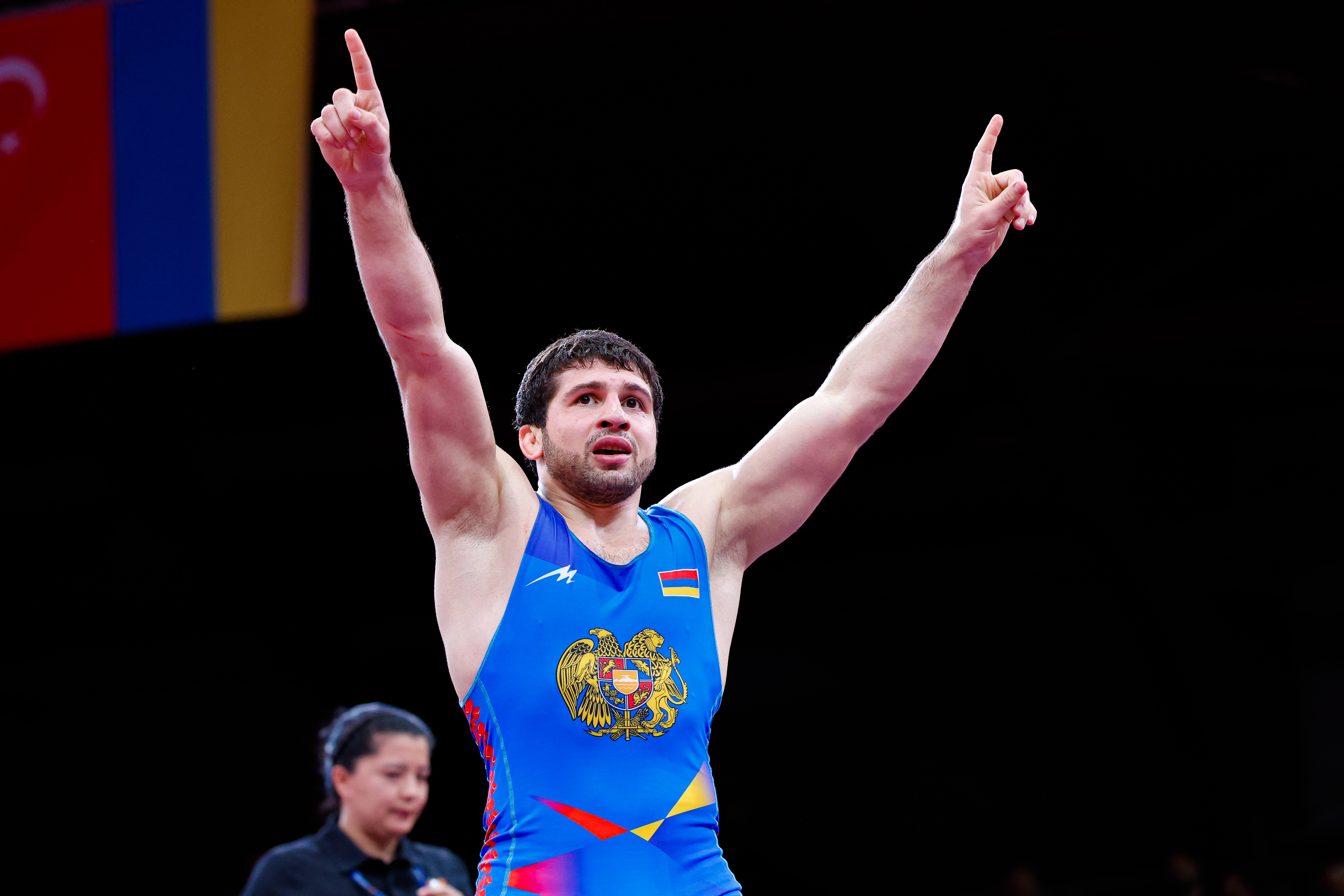 Malkhas AMOYAN (ARM) is a four-time European champion. (Photo: United World Wrestling / Kostadin Andonov)
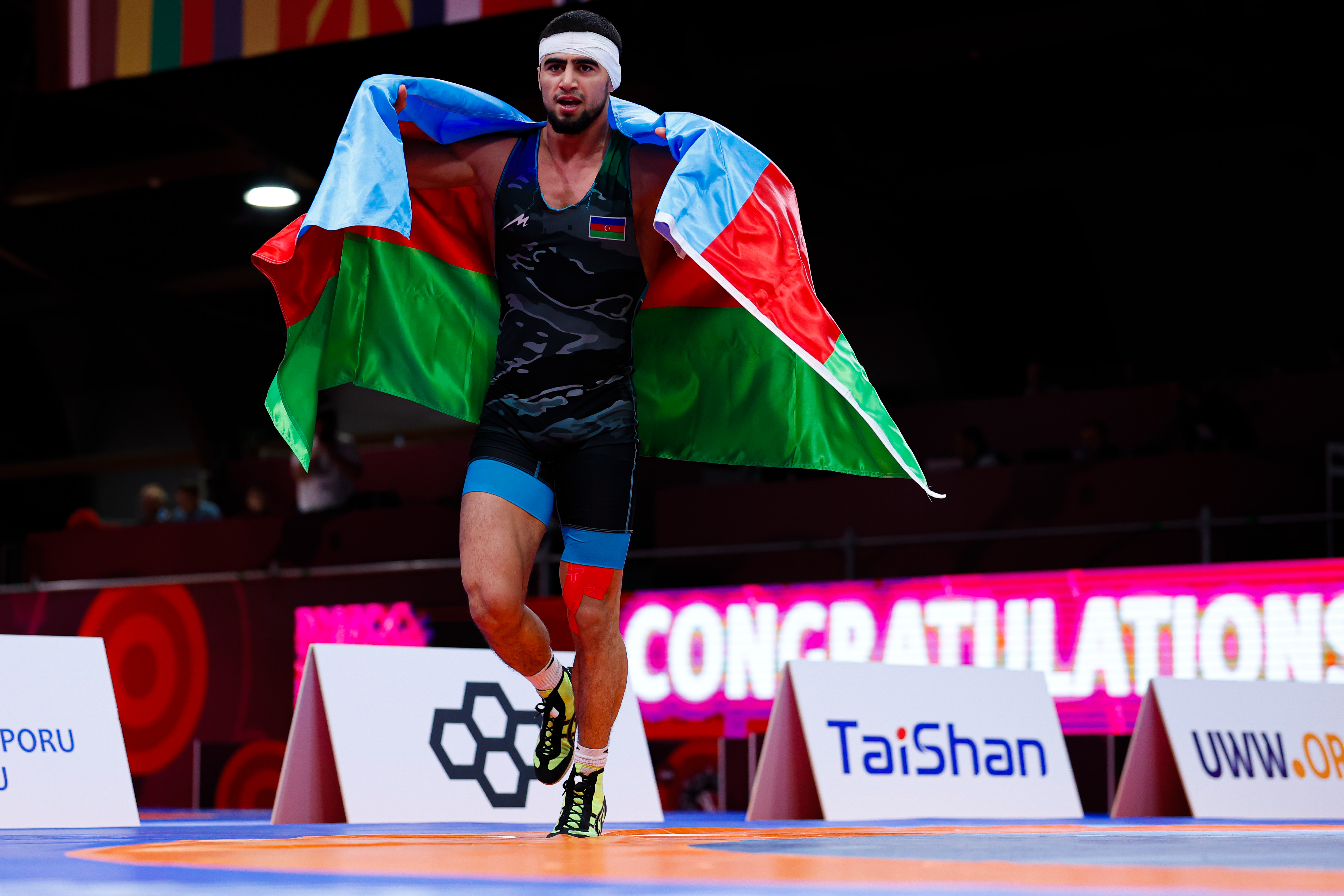 Hasrat JAFAROV (AZE) is one of the three defending Greco-Roman champions for Azerbaijan. (Photo: United World Wrestling / Kostadin Andonov)
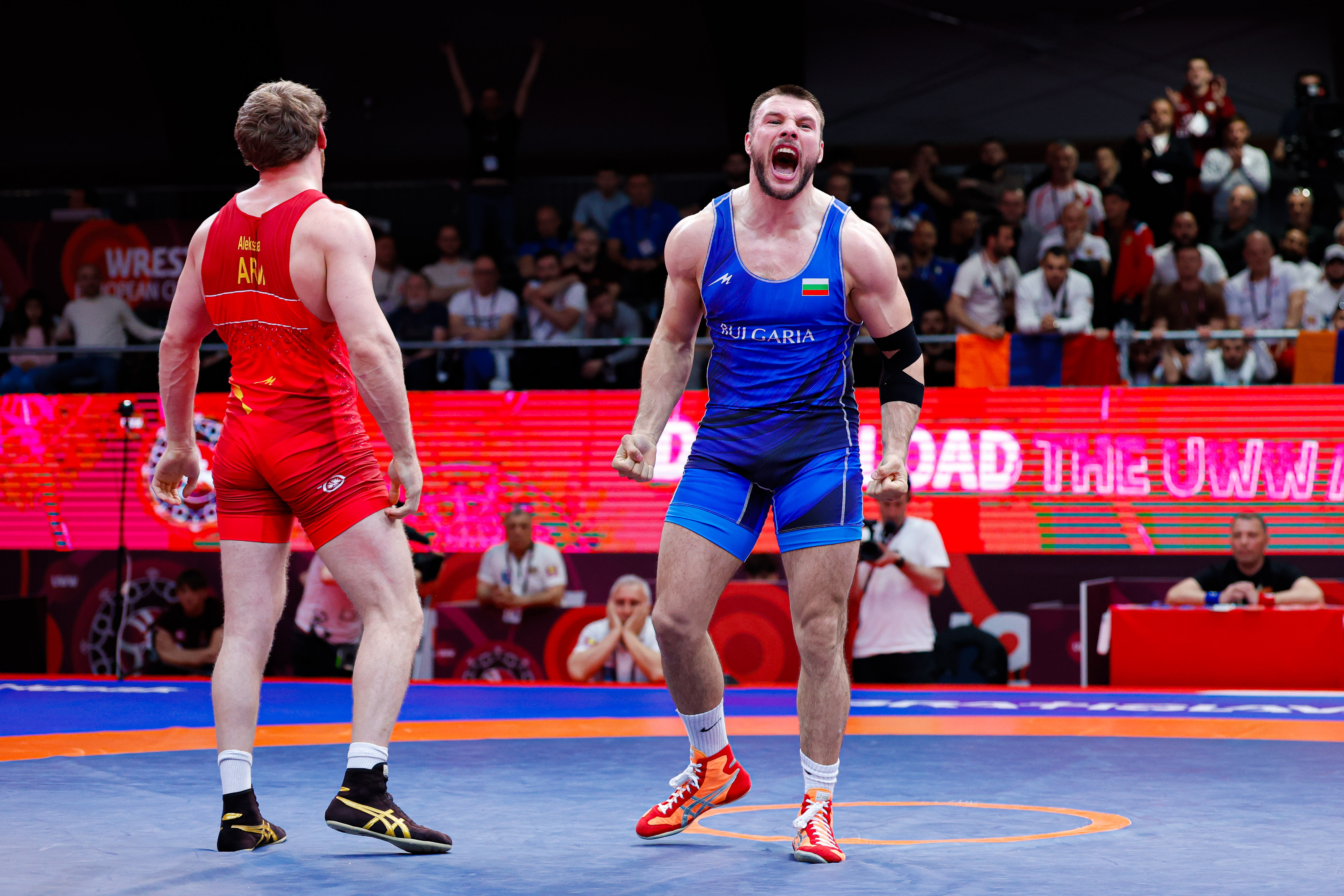 Kiril MILOV (BUL) defeated Artur ALEKSANYAN (ARM) for the first time in his career and went on to win the 97kg gold. (Photo: United World Wrestling / Kostadin Andonov)
Share your thoughts.
Comments