

Eight Years After Olympic Struggle, Women Look to Become Wrestling's Next Generation of Leaders
Monday, March 8, 2021 - 10:28 By United World Wrestling Press

CORSIER-SUR-VEVEY, Switzerland (March 8) — When Nenad Lalovic was appointed interim president of the international federation for wrestling in 2013 the sport faced an uphill battle for Olympic reinstatement and lacked wide-reaching respect among those in the global sports community.
Behind the scenes, the federation was suffering from a number of issues, primary among them an ineffective outreach to female athletes and leaders. Few opportunities existed for women interested in taking the mats and even fewer were available for those interested in positions of leadership.
On the mats women only had four Olympic weight categories while their male counterparts in freestyle enjoyed seven. There were few female bureau members, no commissions aimed at increasing diversity, and an overall dearth of experienced women in place to change the future.
“We knew that we needed to change,” said Lalovic. “Re-branding and changing the rules were important, but as a federation it was vital we make efforts to diversify and include more women. We wanted to find a way to promote their activities and give them opportunities to succeed and gain experience.”

The 2016 Games in Rio saw male and female freestyle wrestlers compete in the same number of weight categories for the first time ever.
The first change was increasing the number of competed Olympic opportunities to ensure that men’s and women’s freestyle were equal with six categories a piece. Having an equal playing field, meant having more gold medal opportunities. The media splash from that move was well-documented, but behind the scenes a larger – and arguably more important mission -- was made clear: equalize the opportunities for women to participate in the organization and to take leadership positions within their own NF’s.
Eight years later Lalovic and the worldwide wrestling family are witnessing an era of unparalleled opportunity for women. With an eye on total gender equality, wrestling implemented a vision where wrestling would be 50-50 male/female participation at the 2022 Youth Olympic Games in Dakar (now postponed to 2026). The sport of women’s wrestling has also garnered an incredible online following with the top social media moments in four of the last five years belonging to women.
The most-watched match on the United World Wrestling YouTube page features female wrestlers Vinesh Phogat (IND) and Victoria Anthony (USA).
“I’m very pleased with the performance of our women,” said Lalovic. “When I look around an arena and see the crowds growing, I’m grateful but also not that surprised. We have the toughest women in the world, and they train as hard as anyone else. I’m happy for their continued success.”
But the triumph of wrestling’s eight years promoting women’s wrestling isn’t contained to the mats. Scroll past the action posts and you’ll find that women are also being provided opportunities to take leadership opportunities off-the-mat – a powerful option to create a sport that is stronger and more diverse than previous to 2013.
“We aren’t reinventing the wheel,” said United World Wrestling development director Deqa Niamkey. “We have fantastic existing programs with room to accommodate our gender and diversity goals. Our national federations have responded well and have been using quotas for men and women.”
The programming works, and with more attention to quotas and educating the national federations on the benefits of sending female leaders on educational and professional development programs, the opportunities for women have flourished. Niamkey herself was named as a member of ASOIF’s Gender Equality and Diversity Committee.

Participants at one of the very succesful Women's Global Wrestling Forums.
“Professional opportunities equal to that of men are important because it allows the women to be promoted on merit throughout their national federations and to take leaderships positions within our commissions and committees,” said Niamkey. “They now can attain the same qualifications and that’s the key.”
In addition to the existing programming, there has been an effort to create conversation and collaboration via initiatives like the Women's Global Wrestling Forum, which began three years ago in Mexico. The second conference included female wrestling leaders from each continent and more than 20 nations across five days of unique programming, networking, and educational seminars in Istanbul. The forum was last hosted in 2019 and will be held again this November at a location to be determined.

Aline Silva was the 2018 winner of the Women's Prize Award.
Since 2015 wrestling has also recognize powerful leaders in the women’s wrestling community through the “Women’s Prize Award” a certificate noting the individual's unique work in the space and a generous $10,000 award to support their initiatives to promote women's wrestling from the grassroots level to the elite.
The development department has also added women referee’s educational courses, coaching courses, and created women’s wrestling training camps to respond to the needs of the national federations.
“We are on a path to long term success,” said Niamkey. “These opportunities will help create a new, diverse class of leaders which will be the backbone for the next generation of wrestling.”


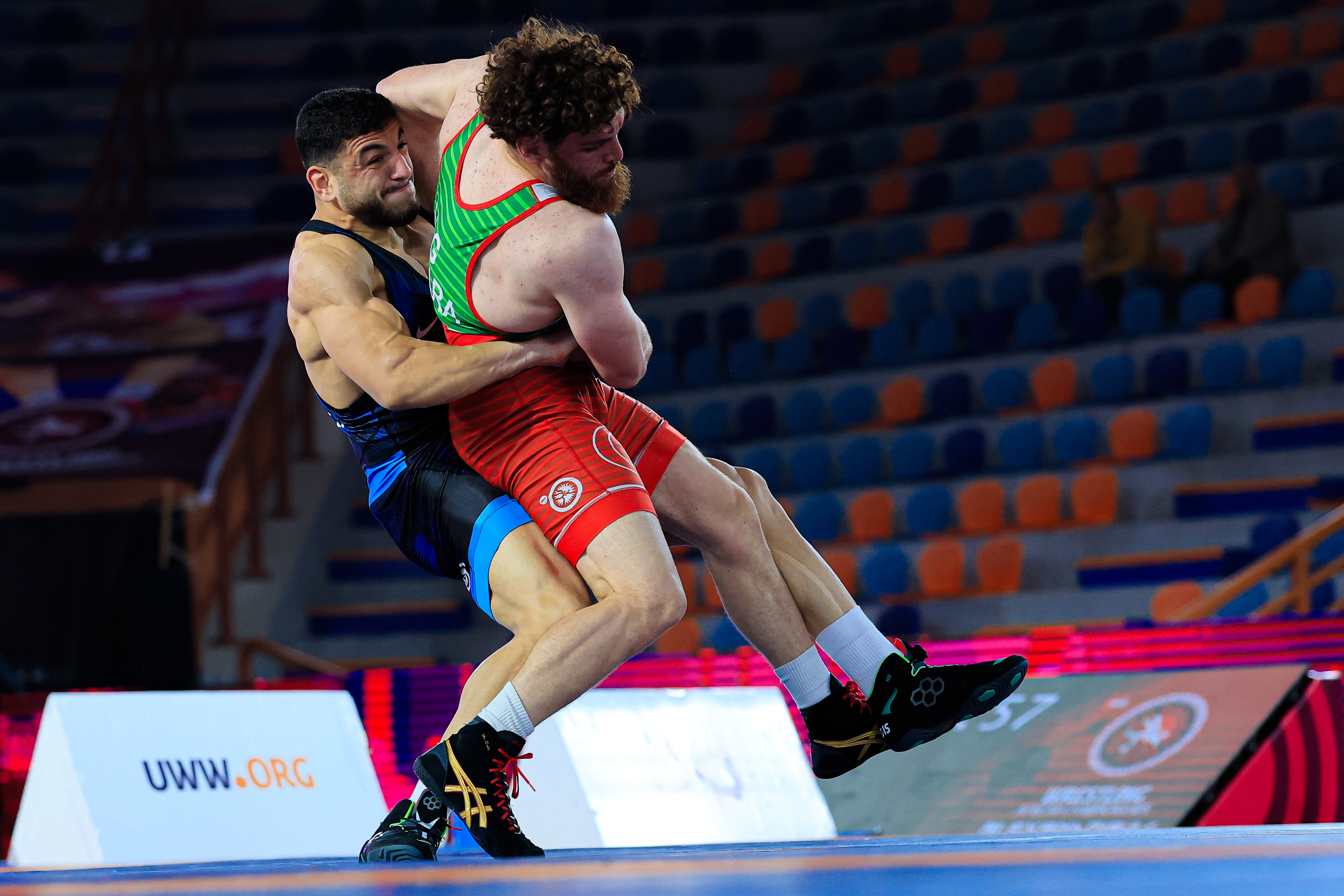 Mohamed DYAB (EGY), red, throws Bachir SID AZARA (ALG) during the 87kg final. (Photo: United World Wrestling / Kostadin Andonov)
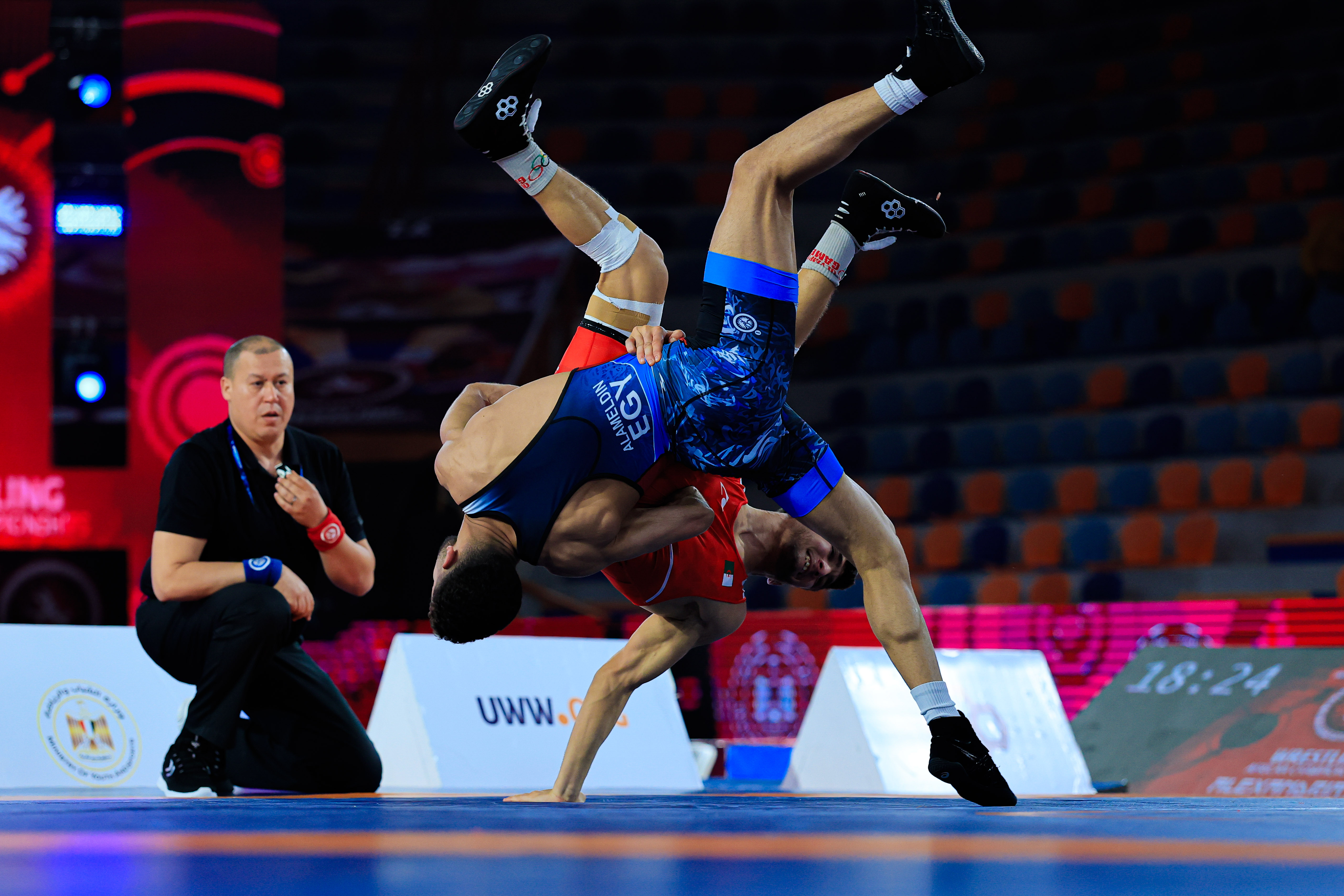 Moustafa ALAMELDIN (EGY) throws Abdelmalek MERABET (ALG) during the 72kg final. (Photo: United World Wrestling / Kostadin Andonov)
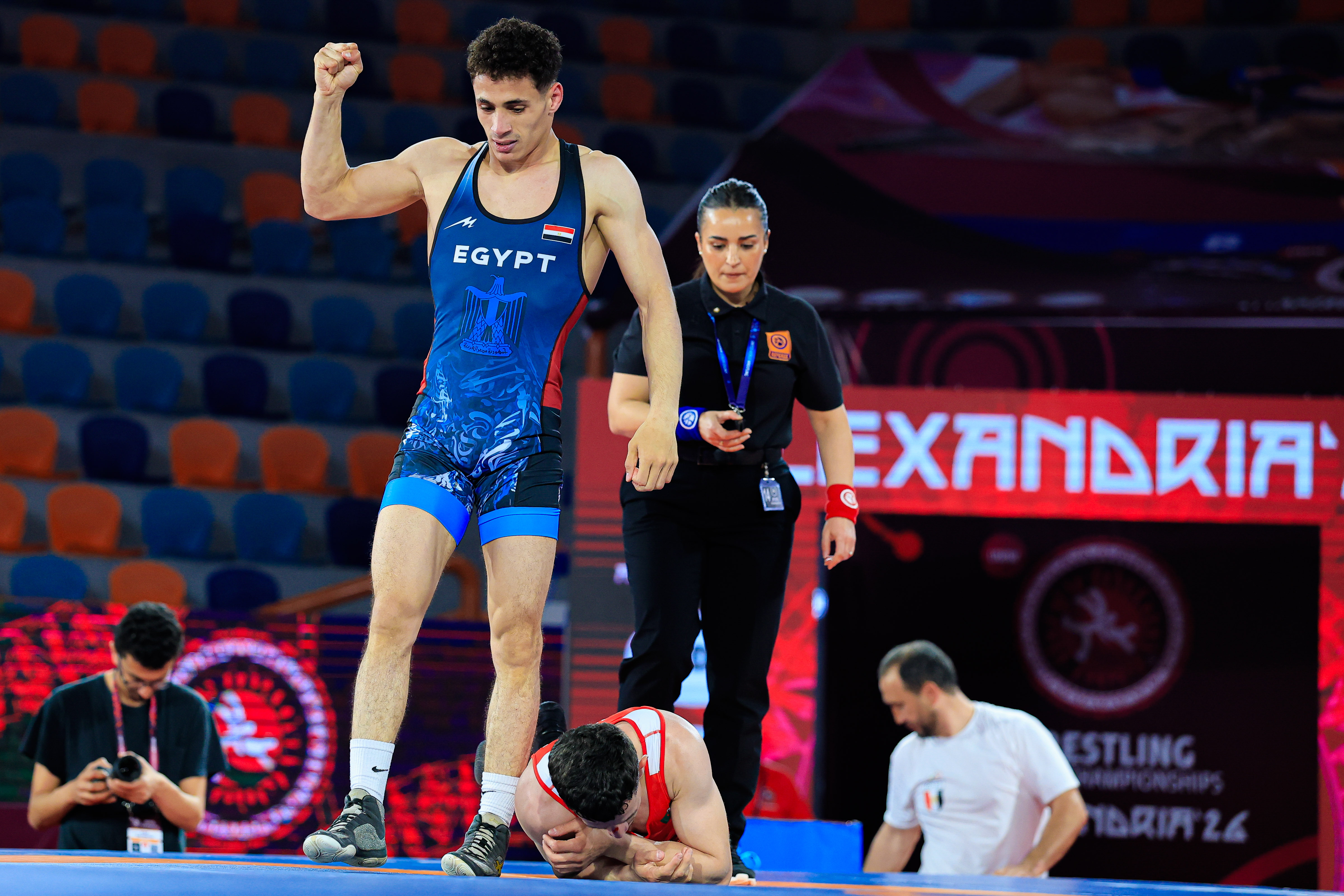 Mahmoud SAAD (EGY) celebrates after beating Abdelkarim FERGAT (ALG), 9-1, at 60kg. (Photo: United World Wrestling / Kostadin Andonov)
Share your thoughts.
Comments