TIRANA, Albania (April 6) -- The European Championships will be held in Tirana, Albania from April 20 to 27 with more than 400 wrestlers.
Greco-Roman will kick off action at the European Championships on Monday followed by Women's Wrestling and then Freestyle. For all the live action and highlights, subscribe to UWW+.
READ THE EUROPEAN CHAMPIONSHIPS 2026 PREVIEW
Note: The entries are subject to change 72 hours before the draw of respective styles. Please refer to uww.org for latest entries.
Freestyle
57kg
Endrio AVDYLI (ALB)
Manvel KHNDZRTSYAN (ARM)
Islam BAZARGANOV (AZE)
Ivaylo TISOV (BUL)
Roberti DINGASHVILI (GEO)
Horst LEHR (GER)
Ion BULGARU (MDA)
Razvan KOVACS (ROU)
Azamat TUSKAEV (SRB)
Yusuf DEMIR (TUR)
Roman HUTSULIAK (UKR)
Aryan TSIUTRYN (UWW)
Musa MEKHTIKHANOV (UWW)
61kg
Zelimkhan ABAKAROV (ALB)
Arsen HARUTYUNYAN (ARM)
Nuraddin NOVRUZOV (AZE)
Erdal GALIP (BUL)
Giorgi GONIASHVILI (GEO)
Niklas STECHELE (GER)
Simone PIRODDU (ITA)
Leomid COLESNIC (MDA)
Vladimir EGOROV (MKD)
Nils LEUTERT (SUI)
Emrah ORMANOGLU (TUR)
Kamil KERYMOV (UKR)
Dzmitry SHAMELA (UWW)
Zavur UGUEV (UWW)
65kg
Islam DUDAEV (ALB)
Vazgen TEVANYAN (ARM)
Rashid BABAZADE (AZE)
Ayub MUSAEV (BEL)
Shamil MAMEDOV (BUL)
Khamzat ARSAMERZOUEV (FRA)
Nika ZAKASHVILI (GEO)
Nico MEGERLE (GER)
Gamzatgadzsi HALIDOV (HUN)
Pavel GRAUR (MDA)
Stefan COMAN (ROU)
Ahmet DUMAN (TUR)
Mykyta HONCHAROV (UKR)
Bashir MAGOMEDOV (UWW)
Islam GUSEINOV (UWW)
70kg
Davit MARGARYAN (ARM)
Kanan HEYBATOV (AZE)
Muhammad ABDURACHMANOV (BEL)
Mikyay NAIM (BUL)
Akaki KEMERTELIDZE (GEO)
Iszmail MUSZUKAJEV (HUN)
Alexandr GAIDARLI (MDA)
Muhamed FERUKI (MKD)
Patryk OLENCZYN (POL)
Benjamin BOEJTHE (ROU)
Abdullah TOPRAK (TUR)
Oleksii BORUTA (UKR)
David BAEV (UWW)
George KOLIEV (UWW)
74kg
Narek HARUTYUNYAN (ARM)
Turan BAYRAMOV (AZE)
Ibragim VELIEV (BEL)
Mihail GEORGIEV (BUL)
Seyfulla ITAEV (FRA)
Giorgi ELBAKIDZE (GEO)
Murad KURAMAGOMEDOV (HUN)
Ion MARCU (MDA)
Tajmuraz SALKAZANOV (SVK)
Omer CAYIR (TUR)
Ihor NYKYFORUK (UKR)
Nikita DMITRIJEVS MAYEUSKI (UWW)
Farhad NOURIKHORJESTAN (UWW)
Timur BIZHOEV (UWW)
79kg
Hrayr ALIKHANYAN (ARM)
Dzhabrail GADZHIEV (AZE)
Aykan SEID (BUL)
Mohammad MOTTAGHINIA (ESP)
Zelimkhan KHADJIEV (FRA)
Tariel GAPHRINDASHVILI (GEO)
Egzon XHONI (KOS)
Alans AMIROVS (LAT)
Ion MARCU (MDA)
Rasul SHAPIEV (MKD)
Akhsarbek GULAEV (SVK)
Okan TAHTACI (TUR)
Vasyl MYKHAILOV (UKR)
Akhmed USMANOV (UWW)
Mahamedkhabib KADZIMAHAMEDAU (UWW)
86kg
Mate KOLA (ALB)
Simon MARCHL (AUT)
Arsenii DZHIOEV (AZE)
Radomir STOYANOV (BUL)
Gabriel IGLESIAS RAMOS (ESP)
Miko ELKALA (FIN)
Rakhim MAGAMADOV (FRA)
Vladimeri GAMKRELIDZE (GEO)
Joshua MORODION (GER)
Georgios KOUGIOUMTSIDIS (GRE)
Gabriele NICCOLINI (ITA)
Ivars SAMUSONOKS (LAT)
Eugeniu MIHALCEAN (MDA)
Cezary SADOWSKI (POL)
Umar MAVLAEV (SUI)
Boris MAKOEV (SVK)
Osman GOCEN (TUR)
Denys BYKOV (UKR)
Ibragim KADIEV (UWW)
92kg
Albin PEPOSHI (ALB)
Mushegh MKRTCHYAN (ARM)
Ali TCOKAEV (AZE)
Ahmed BATAEV (BUL)
Miriani MAISURADZE (GEO)
Samhan JABRAILOV (MDA)
Redjep HAJDARI (MKD)
Igor SZUCKI (POL)
Samuel SCHERRER (SUI)
Fatih ALTUNBAS (TUR)
Mukhammed ALIIEV (UKR)
Amanula GADZHIMAGOMEDOV (UWW)
Yaraslau IADKOUSKI (UWW)
97kg
Benjamin GREIL (AUT)
Osman NURMAGOMEDOV (AZE)
Akhmed MAGAMAEV (BUL)
Givi MATCHARASHVILI (GEO)
Ertugrul AGCA (GER)
Theodoros KYRIAKIDIS (GRE)
Richard VEGH (HUN)
Benjamin HONIS (ITA)
Shaqir BISLIMI (KOS)
Redjep HAJDARI (MDA)
Zbigniew BARANOWSKI (POL)
Batyrbek TSAKULOV (SVK)
Rifat GIDAK (TUR)
Denys SAHALIUK (UKR)
Abdulrashid SADULAEV (UWW)
Aliaksandr HUSHTYN (UWW)
125kg
Khachatur KHACHATRYAN (ARM)
Johannes LUDESCHER (AUT)
Giorgi MESHVILDISHVILI (AZE)
Alen KHUBULOV (BUL)
Solomon MANASHVILI (GEO)
Mohsen SIYAR (GER)
Azamat KHOSONOV (GRE)
Vlagyiszlav BAJCAJEV (HUN)
Gheorghe ERHAN (MDA)
Magomedgadji NUROV (MKD)
Kamil KOSCIOLEK (POL)
Omar SAREM (ROU)
Hakan BUYUKCINGIL (TUR)
Volodymyr KOCHANOV (UKR)
Shamil MUSAEV (UWW)
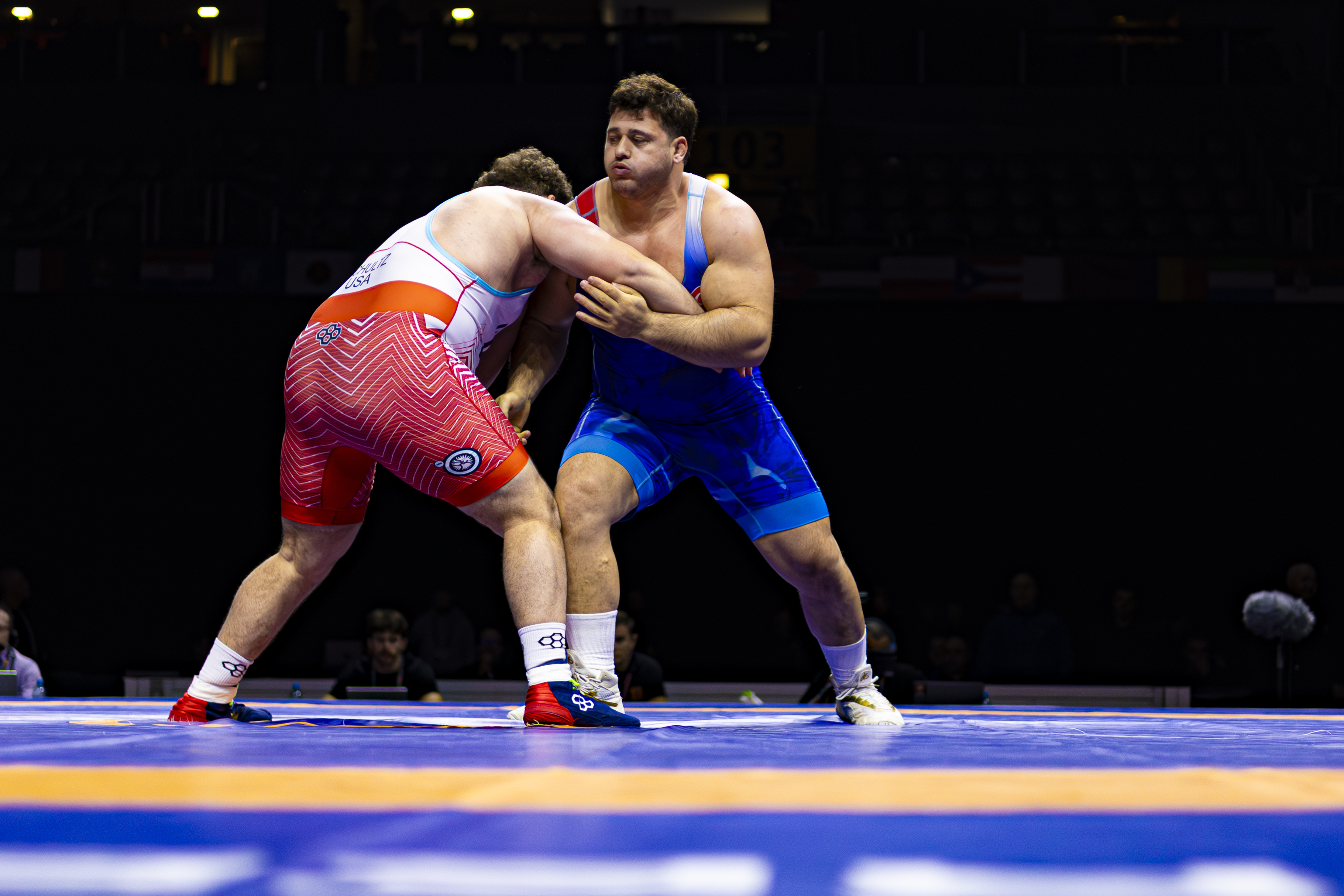 Riza KAYAALP (TUR) will aim to win his 13th European gold medal. (Photo: United World Wrestling / Kadir Caliskan)
Greco-Roman
55kg
Manvel KHACHATRYAN (ARM)
Rashad MAMMADOV (AZE)
Stefan GRIGOROV (BUL)
Vakhtang LOLUA (GEO)
Adalberto MINAZZI (ITA)
Leonid MOROZ (MDA)
Omer RECEP (TUR)
Ivan STEFANSKYI (UKR)
Emin SEFERSHAEV (UWW)
60kg
Bajram SINA (ALB)
Suren AGHAJANYAN (ARM)
Nihat MAMMADLI (AZE)
Borislav KIRILOV (BUL)
Dimitri KHACHIDZE (GEO)
Tommaso BOSI (ITA)
Corneliu RUSU (MDA)
Denis MIHAI (ROU)
Georgij TIBILOV (SRB)
Mert ILBARS (TUR)
Vladyslav KUZKO (UKR)
Jamal VALIZADEH (UWW)
Suner KONUNOV (UWW)
63kg
Karen ASLANYAN (ARM)
Ziya BABASHOV (AZE)
Nikolay VICHEV (BUL)
Tino Tapio OJALA (FIN)
Pridon ABULADZE (GEO)
Vitalie ERIOMENCO (MDA)
Morten THORESEN (NOR)
Mairbek SALIMOV (POL)
Miguel LOUREIRO (POR)
Ionut MEREUTA (ROU)
Kerem KAMAL (TUR)
Maksym LIU (UKR)
Sergey EMELIN (UWW)
67kg
Gjete PRENGA (ALB)
Slavik GALSTYAN (ARM)
Aker SCHMID (AUT)
Hasrat JAFAROV (AZE)
Abu AMAEV (BUL)
Dominik ETLINGER (CRO)
William REENBERG (DEN)
Yanis GUENDEZ NIFRI (FRA)
Diego CHKHIKVADZE (GEO)
Witalis LAZOVSKI (GER)
Andrea SETTI (ITA)
Adomas GRIGALIUNAS (LTU)
Valentin PETIC (MDA)
Haavard JOERGENSEN (NOR)
Mateusz SZEWCZUK (POL)
Sebastian NAD (SRB)
Andreas VETSCH (SUI)
Jan OEHLEN (SWE)
Murat FIRAT (TUR)
Oleksandr HRUSHYN (UKR)
Erzu ZAKRIEV (UWW)
Hleb MAKARANKA (UWW)
72kg
Gaspar TERTERYAN (ARM)
Ruslan NURULLAYEV (AZE)
Dimitar GEORGIEV (BUL)
Pavel PUKLAVEC (CRO)
Ibrahim GHANEM (FRA)
Iuri LOMADZE (GEO)
Krisztian VANCZA (HUN)
Mihai PETIC (MDA)
Kamil CZARNECKI (POL)
Joao DUARTE SIMOES (POR)
Henrik DAHLEN (SWE)
Cengiz ARSLAN (TUR)
Dmytro VASYLIEV (UKR)
Aliaksandr LIAVONCHYK (UWW)
Kamil AKHMETVALEEV (UWW)
77kg
Kevin KUPI (ALB)
Malkhas AMOYAN (ARM)
Sanan SULEYMANOV (AZE)
Stoyan KUBATOV (BUL)
Antonio KAMENJASEVIC (CRO)
Marcos SANCHEZ (ESP)
Akseli YLI HANNUKSELA (FIN)
Tigran GALUSTYAN (FRA)
Ramaz ZOIDZE (GEO)
Samuel BELLSCHEIDT (GER)
Robert FRITSCH (HUN)
Giovanni ALESSIO (ITA)
Vilius SAVICKAS (LTU)
Alexandrin GUTU (MDA)
Mateusz BERNATEK (POL)
Aleksa ILIC (SRB)
Edvin BAFF (SWE)
Ahmet YILMAZ (TUR)
Irfan MIRZOIEV (UKR)
Sergei STEPANOV (UWW)
Shuai MAMEDAU (UWW)
82kg
Klodjan SHEHU (ALB)
Samvel GRIGORYAN (ARM)
Gurban GURBANOV (AZE)
Ibrahim TABAEV (BEL)
Svetoslav NIKOLOV (BUL)
Karlo KODRIC (CRO)
Michal ZELENKA (CZE)
Gela BOLKVADZE (GEO)
Zoltan LEVAI (HUN)
Mihail BRADU (MDA)
Viktor NEMES (SRB)
Yuksel SARICICEK (TUR)
Ruslan ABDIIEV (UKR)
Adlet TIULIUBAEV (UWW)
87kg
Marjan KOLA (ALB)
Gevorg TADEVOSYAN (ARM)
Islam ABBASOV (AZE)
Semen NOVIKOV (BUL)
Matej MANDIC (CRO)
Turpal BISULTANOV (DEN)
Waltteri LATVALA (FIN)
Vladimeri KARCHAIDZE (FRA)
Lasha GOBADZE (GEO)
Hannes WAGNER (GER)
Istvan TAKACS (HUN)
Gabriel LUPASCO (MDA)
Exauce MUKUBU (NOR)
Arkadiusz KULYNYCZ (POL)
Aleksandr KOMAROV (SRB)
Damian VON EUW (SUI)
Dogan KAYA (TUR)
Yaroslav FILCHAKOV (UKR)
Alan OSTAEV (UWW)
Ihar YARASHEVICH (UWW)
97kg
Hayk KHLOYAN (ARM)
Daniel GASTL (AUT)
Murad AHMADIYEV (AZE)
Kiril MILOV (BUL)
Filip SMETKO (CRO)
Artur OMAROV (CZE)
Richard KARELSON (EST)
Arvi SAVOLAINEN (FIN)
Giorgi MELIA (GEO)
Lucas LAZOGIANIS (GER)
Alex SZOKE (HUN)
Nikoloz KAKHELASHVILI (ITA)
Mindaugas VENCKAITIS (LTU)
Tyrone STERKENBURG (NED)
Gerard KURNICZAK (POL)
Patrik GORDAN (ROU)
Mihail KAJAIA (SRB)
Alex BJURBERG KESSIDIS (SWE)
Abdul Kadir CEBI (TUR)
Vladlen KOZLIUK (UKR)
Artur SARGSIAN (UWW)
Kiryl MASKEVICH (UWW)
130kg
Griseldi KODRA (ALB)
Albert VARDANYAN (ARM)
Beka KANDELAKI (AZE)
Heiki NABI (EST)
Matti KUOSMANEN (FIN)
Sulkhan BUIDZE (GEO)
Jello KRAHMER (GER)
Apostolos TSIOVOLOS (GRE)
Darius VITEK (HUN)
Danila SOTNIKOV (ITA)
Romas FRIDRIKAS (LTU)
Jacob LOGAARD (SWE)
Riza KAYAALP (TUR)
Mykhailo VYSHNYVETSKYI (UKR)
Marat KAMPAROV (UWW)
Pavel HLINCHUK (UWW)
 Anastasiya ALPYEYEVA (UKR) will return to defend her 76kg title. (Photo: United World Wrestling / Kostadin Andonov)
Women's Wrestling
50kg
Elnura MAMMADOVA (AZE)
Emanuela LIUZZI (ITA)
Maria LEORDA (MDA)
Natalia WALCZAK (POL)
Emilia GRIGORE VUC (ROU)
Svenja JUNGO (SUI)
Evin DEMIRHAN YAVUZ (TUR)
Oksana LIVACH (UKR)
Natallia VARAKINA (UWW)
Elizaveta SMIRNOVA (UWW)
53kg
Carla JAUME SOLER (ESP)
Emma LUTTENAUER (FRA)
Annika WENDLE (GER)
Maria PREVOLARAKI (GRE)
Gerda TEREK (HUN)
Vestina DANISEVICIUTE (LTU)
Roksana ZASINA (POL)
Beatrice FERENT (ROU)
Jonna MALMGREN (SWE)
Zeynep YETGIL (TUR)
Mariia YEFREMOVA (UKR)
Natalia MALYSHEVA (UWW)
Vanesa KALADZINSKAYA (UWW)
55kg
Oleksandra KOGUT (AUT)
Anastasia BLAYVAS (GER)
Mihaela SAMOIL (MDA)
Veronika RJABOVOLOVA (MKD)
Andreea ANA (ROU)
Tuba DEMIR (TUR)
Liliia MALANCHUK (UKR)
Ekaterina VERBINA (UWW)
57kg
Zhala ALIYEVA (AZE)
Olga POPOVA (BUL)
Lydia PEREZ TOURINO (ESP)
Jenna HEMIAE (FIN)
Amory ANDRICH (GER)
Tamara DOLLAK (HUN)
Iulia LEORDA (MDA)
Felicitas DOMAJEVA (NOR)
Magdalena GLODEK LISZEWSKA (POL)
Evelina HULTHEN (SWE)
Elvira SULEYMAN KAMALOGLU (TUR)
Solomiia VYNNYK (UKR)
Aleksandra SKIRENKO (UWW)
Aryna DZEMCHANKA MARTYNAVA (UWW)
59kg
Hiunai HURBANOVA (AZE)
Viktoria BOYNOVA (BUL)
Elena BRUGGER (GER)
Erika BOGNAR (HUN)
Anna TIELIEGINA (LTU)
Othelie HOEIE (NOR)
Jowita WRZESIEN (POL)
Bediha GUN (TUR)
Mariia VYNNYK (UKR)
Marta HETMANAVA (UWW)
Svetlana LIPATOVA (UWW)
62kg
Ruzanna MAMMADOVA (AZE)
Bilyana DUDOVA (BUL)
Viktoria VESSO (EST)
Ameline DOUARRE (FRA)
Naemi LEISTNER (GER)
Eniko ELEKES (HUN)
Grace BULLEN (NOR)
Alicja WOJEWODZKA NOWOSAD (POL)
Amina CAPEZAN (ROU)
Johanna LINDBORG (SWE)
Sevim AKBAS (TUR)
Ilona PROKOPEVNIUK (UKR)
Amina TANDELOVA (UWW)
Veranika IVANOVA (UWW)
65kg
Birgul SOLTANOVA (AZE)
Iris THIEBAUX (FRA)
Elma ZEIDLERE (LAT)
Nina BODISTEANU (MDA)
Natalia KUBATY (POL)
Kriszta INCZE (ROU)
Kerstin NYGREN (SWE)
Beyza AKKUS (TUR)
Iryna KOLIADENKO (UKR)
Alina KASABIEVA (UWW)
68kg
Albina DRAZHI (ALB)
Daniela BRASNAROVA (BUL)
Sophia SCHAEFLE (GER)
Noémi SZABADOS (HUN)
Laura GODINO (ITA)
Luciana BEDA (MDA)
Karolina DOMASZUK (POL)
Kateryna ZELENYKH (ROU)
Masa PEROVIC (SRB)
Tindra SJOEBERG (SWE)
Nesrin BAS (TUR)
Manola SKOBELSKA (UKR)
Alina SHAUCHUK (UWW)
Alina SHEVCHENKO (UWW)
72kg
Karolina POK (HUN)
Vincenza AMENDOLA (ITA)
Alina ANTIPOVA (LAT)
Wiktoria CHOLUJ (POL)
Zsuzsanna MOLNAR (SVK)
Buse CAVUSOGLU TOSUN (TUR)
Nadiia SOKOLOVSKA (UKR)
Kristina BRATCHIKOVA (UWW)
Viktoryia RADZKOVA (UWW)
76kg
Martina KUENZ (AUT)
Vanesa GEORGIEVA (BUL)
Kendra DACHER (FRA)
Jennifer ROESLER (GER)
Enrica RINALDI (ITA)
Kamile GAUCAITE (LTU)
Patrycja CUBER (POL)
Alexandra ANGHEL (ROU)
Fanni NAGY NAD (SRB)
Elmira YASIN (TUR)
Anastasiya ALPYEYEVA (UKR)
Anastasiya ZIMIANKOVA (UWW)
Valeriia TRIFONOVA (UWW)



Share your thoughts.
Comments